


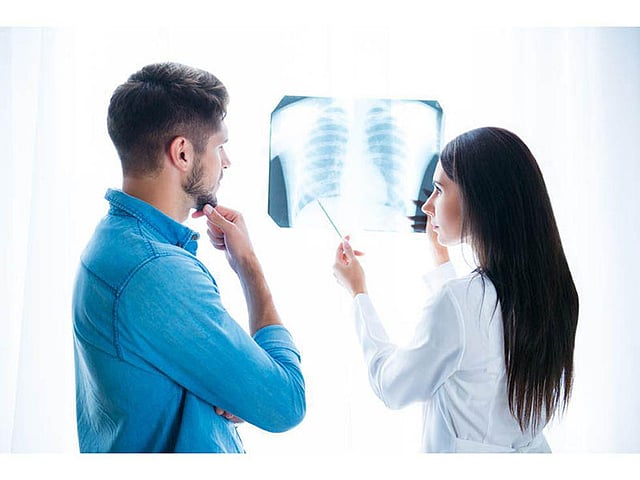
National five-year survival rate for lung cancer has increased to 23.7 percent, but disparities persist for people of color
TUESDAY, Dec. 14, 2021 (HealthDay News) — The five-year lung cancer survival rate is now 23.7 percent nationally, but it is lower among communities of color, according to the “State of Lung Cancer” report published by the American Lung Association.
Researchers from the American Lung Association explored the burden of lung cancer and opportunities to address this disease, focusing on key indicators, including new cases, survival, early diagnosis, surgical treatment, and screening rates.
According to the report, the five-year survival rate for lung cancer has increased to 23.7 percent nationally but remains lower among communities of color and Black Americans (20.0 and 18.0 percent, respectively). Compared with Whites, people of color diagnosed with lung cancer also face worse outcomes, including reduced likelihood of being diagnosed early, reduced likelihood of receiving surgical treatment, and increased likelihood of not receiving any treatment. Nationally, in 2020, only 5.7 percent of those who were eligible because of high risk received lung cancer screening with low-dose computed tomography scans.
“The report highlights important news — more people are surviving lung cancer; however, it also underscores the fact that, sadly, health disparities persist for communities of color,” Harold Wimmer, national president and chief executive officer for the American Lung Association, said in a statement.
 Broad Genomic Sequencing Improves Survival in First-Line Setting in Advanced NSCLC
 Morphea Linked to Higher Risk for Cancer
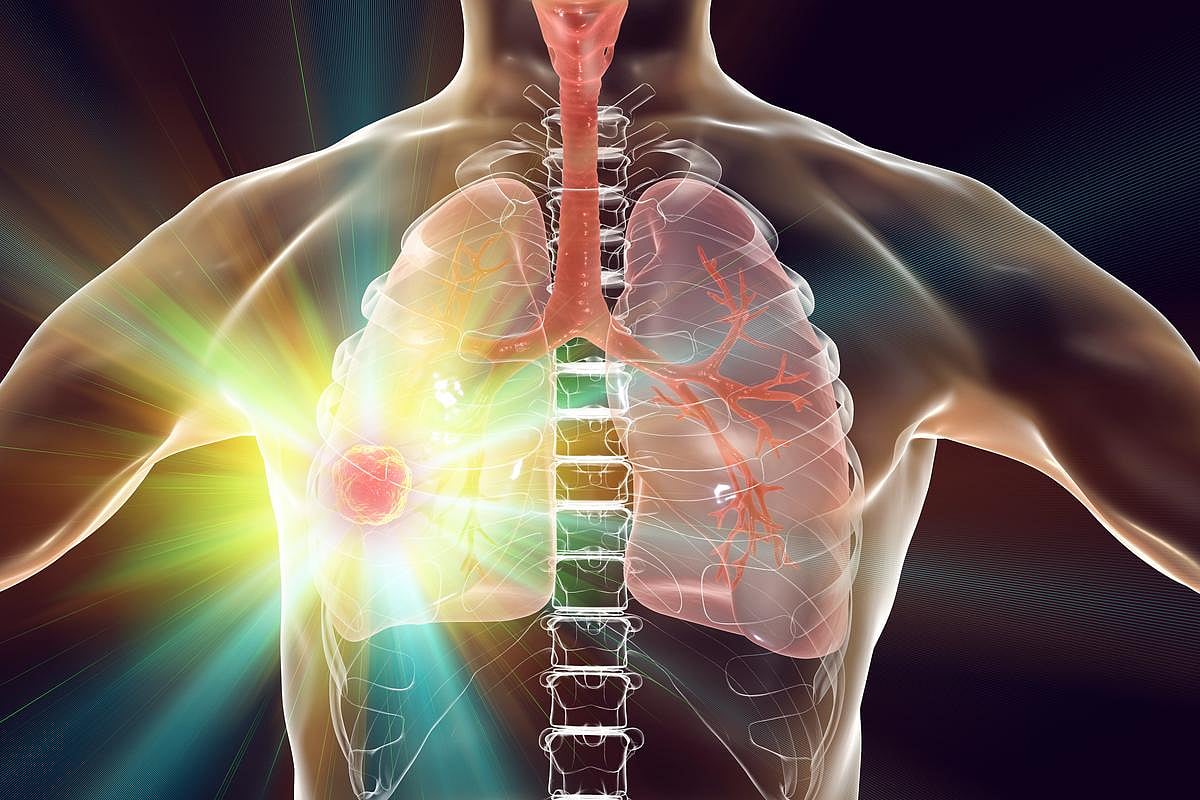 Thymic Radiation Linked to Worse Outcomes in Patients With NSCLC
 ESMO: Combination Treatment Improves Survival in Muscle-Invasive Bladder Cancer
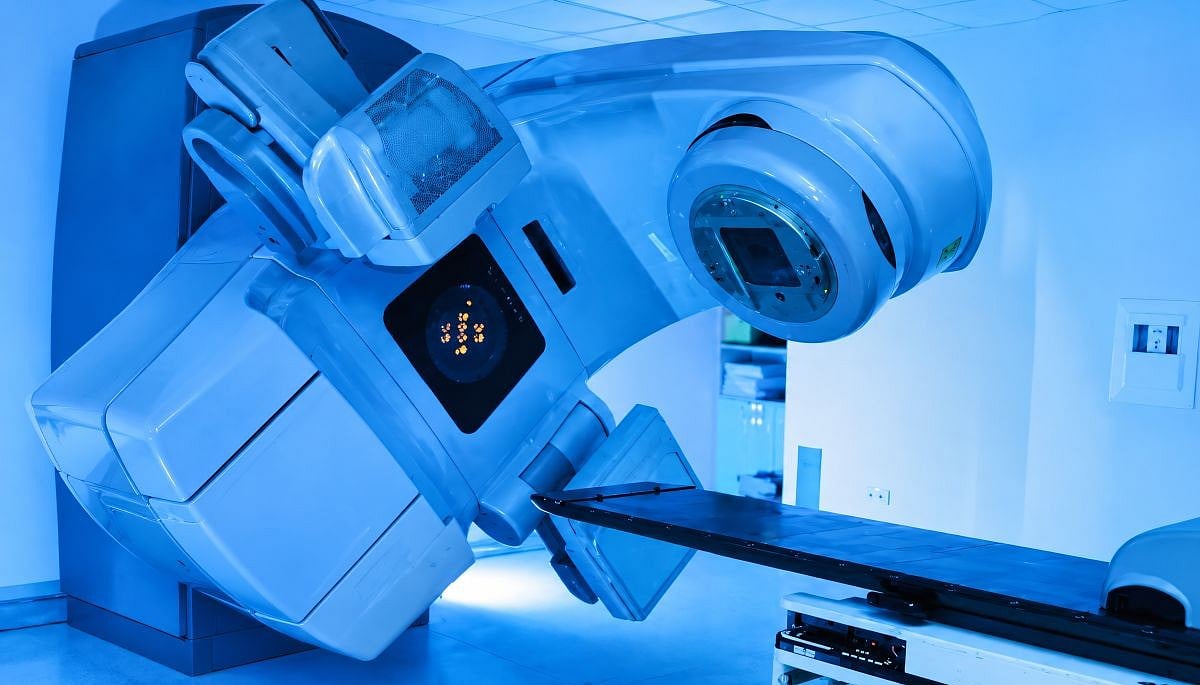 Guidelines Updated for Short-Course Radiation for Localized Prostate Cancer
 Early Survivorship Care Linked to Improved Outcomes in Head, Neck Cancer
 Blinatumomab Improves Event-Free Survival in Children With High-Risk B-Cell ALL




.jpeg)
