



The AstraZeneca vaccine, developed with researchers from Oxford University, has been heavily used in Britain
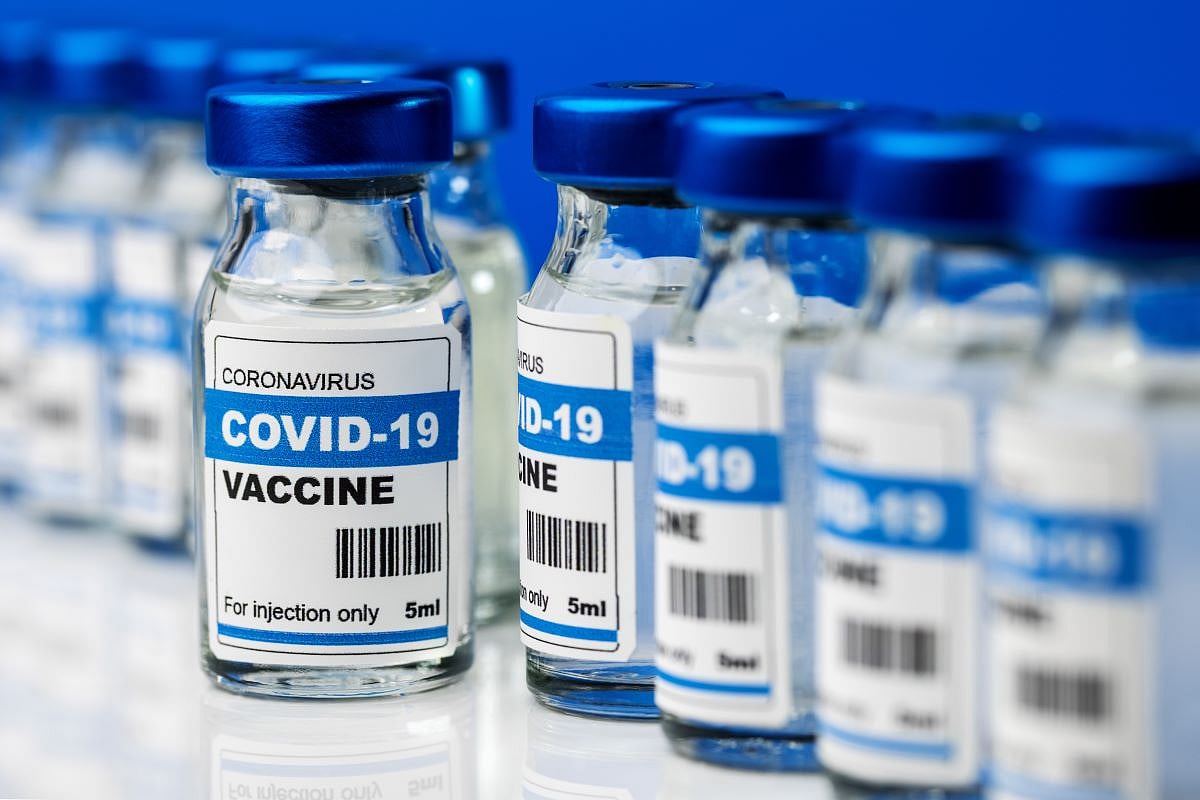
MONDAY, March 15, 2021 (HealthDay News) — There is no scientific evidence linking the AstraZeneca COVID-19 vaccine to recent deaths from blood clots, the company said Sunday after a number of European nations suspended use of the vaccine.
On Sunday, Ireland and the Netherlands joined at least 10 other countries in suspending use of the vaccine — either disposing of specific batches or halting all shots with the product — as a precautionary measure while public health authorities investigate the blood clot deaths or other “thrombotic events,” the Washington Post reported. In a statement, AstraZeneca said 17 million people have so far received its vaccine and there have only been 15 cases of deep vein thrombosis and 22 pulmonary embolisms.
“This is much lower than would be expected to occur naturally in a general population of this size and is similar across other licensed COVID-19 vaccines,” the company said. It also said that the number of thrombotic events in the vaccine’s clinical trials was actually “lower in the vaccinated group.”
“The nature of the pandemic has led to increased attention in individual cases and we are going beyond the standard practices for safety monitoring of licensed medicines in reporting vaccine events, to ensure public safety,” AstraZeneca Chief Medical Officer Ann Taylor, M.D., said, The Post reported.
The AstraZeneca vaccine, which was developed with researchers from Oxford University, has been heavily used in Britain, which is leading Europe’s immunization efforts, The Post said.
 Nearly 3 in 4 Older Adults Express Interest in Vaccine to Prevent Dementia
  Updated COVID-19 Shot Beneficial for Those With Autoimmune Rheumatic Disease
  AAP Issues Recommendations for Pediatric RSV Vaccination in 2026-2027 Season
  Trends Reported in Vaccination Coverage for Adolescents for 2025
 .jpg) Considerable Gaps Reported in Care for Youth With Opioid Use Disorder
Considerable Gaps Reported in Care for Youth With Opioid Use Disorder  Nutritional Deficiencies Seen in Youth Taking GLP-1 Receptor Agonists
  Youth Suicide Risk Linked to Community Firearm Violence
  Social Media Warnings Could Discourage Use Among Teens, Young Adults


.jpg)

