


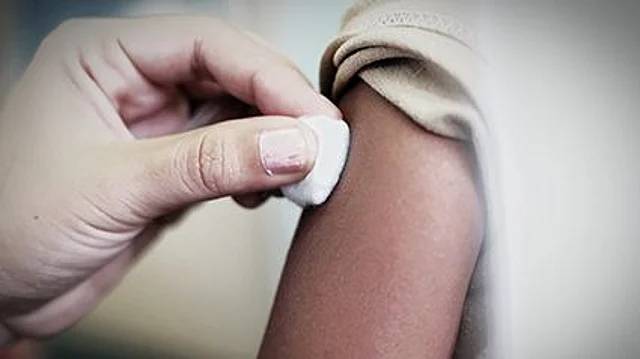
Neighborhoods considered highly vulnerable based on factors such as income, education, housing, and transportation
THURSDAY, March 4, 2021 (HealthDay News) — About 40 percent of California’s COVID-19 vaccine doses will be set aside for the most vulnerable neighborhoods in the state, officials said Wednesday.
Many of the neighborhoods are in Los Angeles County and the Central Valley and are considered highly vulnerable based on factors such as income, education, housing, and transportation, the Associated Press reported.
Details of the plan for the 400 ZIP codes — which include about 8 million people eligible for vaccination — were shared by two officials in the governor’s administration on condition of anonymity. Officials said the 400 ZIP codes have already received about 1.6 million doses and will reach 2 million in the next week or two, the AP reported.
While race and ethnicity are not explicit factors in designating vaccinations, the 400 ZIP codes overlap heavily with neighborhoods with higher populations of Blacks, Latinos, and Asian and Pacific Islanders, officials said. Community health clinics focused on serving low-income and vulnerable Californians have said they have not been getting enough doses, the wire service reported.
The changes mark a fresh round of twists in California’s vaccination and reopening plans. People aged 65 years and older, farmworkers, educators, and emergency service workers are now also eligible for shots. Hospitalizations and deaths have dropped in California in recent weeks, with the state’s average 2.2 percent test positivity rate over seven days a record low, the AP said.
 Nearly 3 in 4 Older Adults Express Interest in Vaccine to Prevent Dementia
  Updated COVID-19 Shot Beneficial for Those With Autoimmune Rheumatic Disease
  AAP Issues Recommendations for Pediatric RSV Vaccination in 2026-2027 Season
  Trends Reported in Vaccination Coverage for Adolescents for 2025
 .jpg) Considerable Gaps Reported in Care for Youth With Opioid Use Disorder
Considerable Gaps Reported in Care for Youth With Opioid Use Disorder  Nutritional Deficiencies Seen in Youth Taking GLP-1 Receptor Agonists
  Youth Suicide Risk Linked to Community Firearm Violence
  Social Media Warnings Could Discourage Use Among Teens, Young Adults


.jpg)

