Majority of cases (88.3 percent) seen in women, especially those aged 50 years or older; incidence higher in middle-aged men than younger men
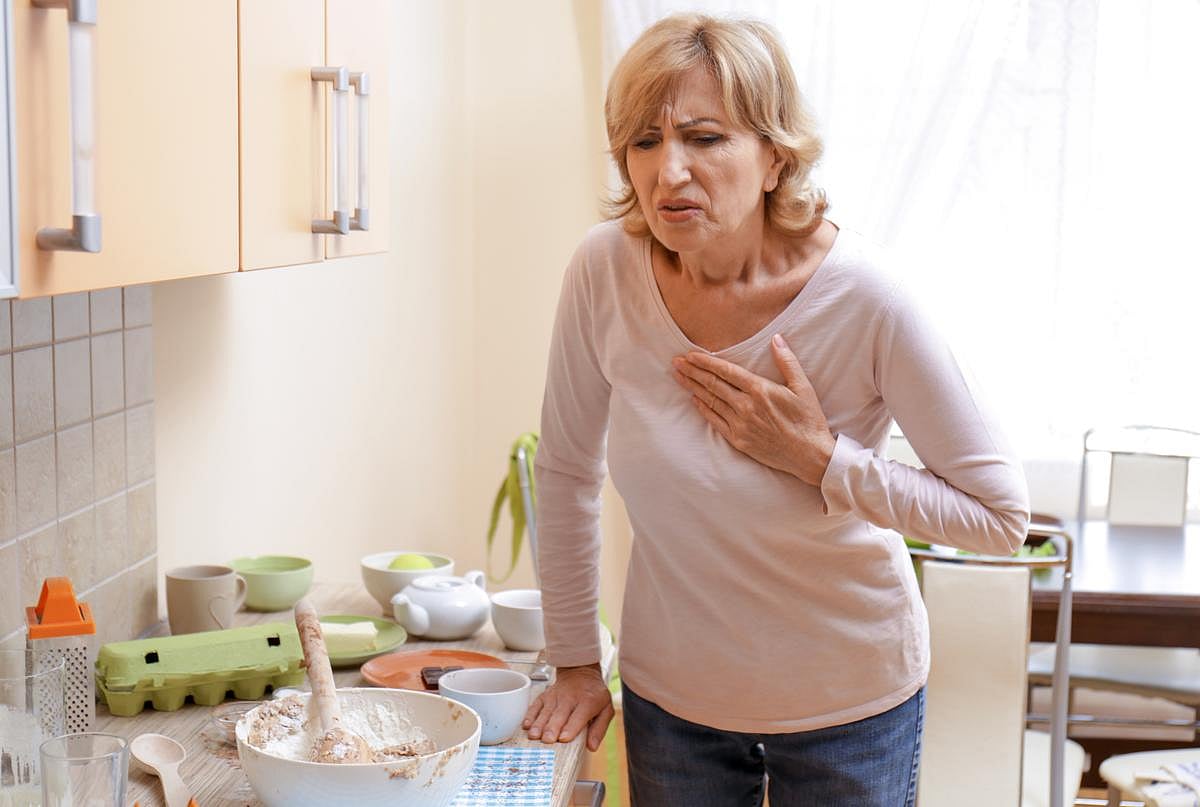
TUESDAY, Oct. 19, 2021 (HealthDay News) — The incidence of Takotsubo syndrome (TTS) is increasing in the United States, particularly among middle-aged and older women, according to a research letter published online Oct. 13 in the Journal of the American Heart Association.
Varun K. Pattisapu, M.D., from the Smidt Heart Institute at Cedars-Sinai Medical Center in Los Angeles, and colleagues used National Inpatient Sample data from 2006 to 2017 to examine age- and sex-based temporal trends in TTS incidence.
The researchers identified 135,463 documented cases of TTS during the study period. In both sexes, the annual incidence increased steadily, with most cases contributed by women (88.3 percent), especially those aged 50 years or older. A significantly greater increase in TTS incidence was seen in middle-aged and older women compared with younger women (128 and 96 cases versus 15 cases per million per year, respectively). The increase in TTS incidence was also significantly higher in middle-aged versus younger men (20 cases versus 10 cases per million per year), but was not significantly different for older men (16 cases per million per year).
“Although the global COVID-19 pandemic has posed many challenges and stressors for women, our research suggests the increase in Takotsubo diagnoses was rising well before the public health outbreak,” a coauthor said in a statement. “This study further validates the vital role the heart-brain connection plays in overall health, especially for women.”
One author disclosed financial ties to the pharmaceutical industry.
 Functional Decline Precedes Cardiovascular Disease Events by Many Years
  Childhood Cancer Survivors Often Have Mental Distress in Adulthood
  Midlife Employment Instability Linked to Later Cognitive Deficits
  Elevated C-Reactive Protein Linked to Increased Risk for Incident Heart Failure, All-Cause Mortality
  UACR, UPCR Provide Indistinguishable Prognostic Information in CKD
  Better Cardiovascular Health Inversely Linked to Overactive Bladder
  Use of SAMA, SABA Linked to Cardiovascular Events, Mortality in Asthma, COPD
  2011 to 2021 Saw Heart Failure-Related Hospitalization Rise in CKD


.jpg)