


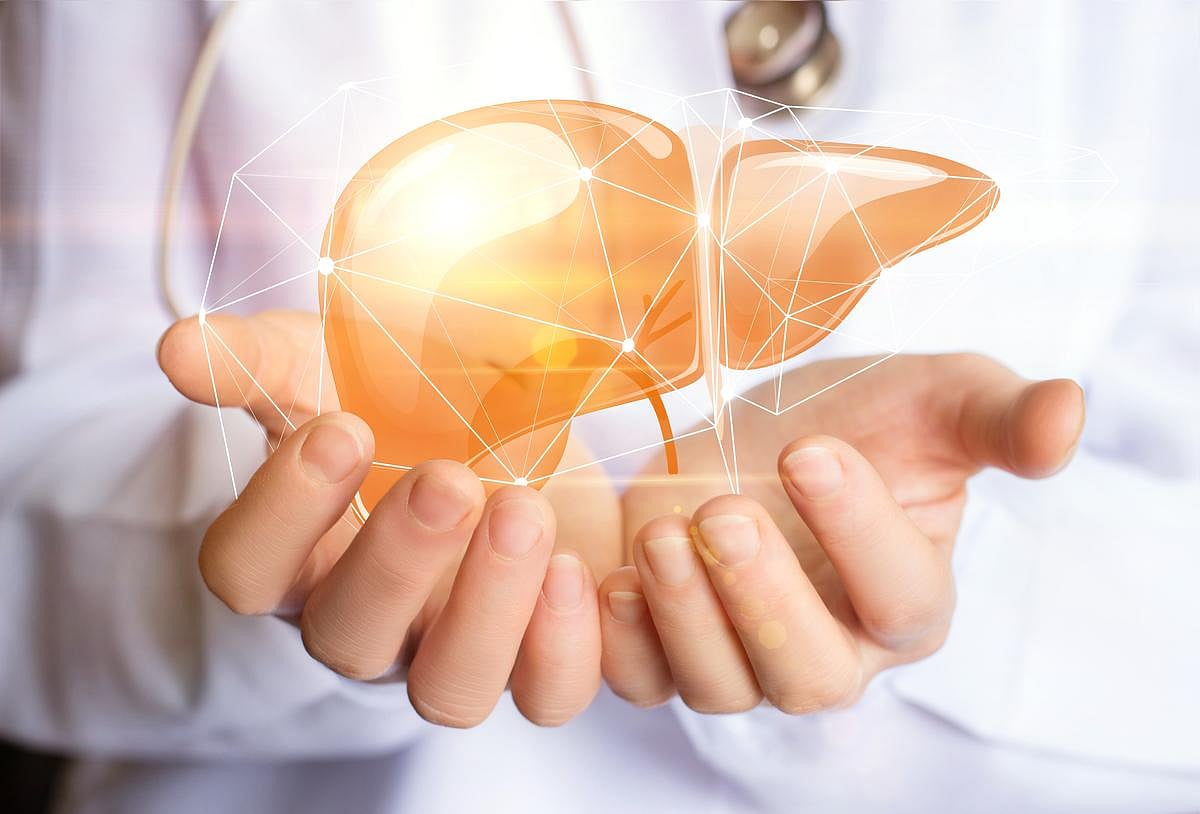
11.4 percent of patients who underwent liver transplantation for cirrhosis developed cirrhosis subsequent to transplant
TUESDAY, Sept. 22, 2026 (HealthDay News) — Cirrhosis can recur after liver transplantation, according to a study published online Sept. 3 in Portal Hypertension & Cirrhosis.
Abhinav K. Rao, M.D., and Don C. Rockey, M.D., from the Medical University of South Carolina in Charleston, examined consecutive adult liver transplant patients who underwent liver transplantation for cirrhosis and were followed between Jan. 1, 1987, and Dec. 31, 2023.
Data were included for 937 unique patients; 107 (11.4 percent) developed cirrhosis subsequent to transplantation, with a median of 7.8 years to cirrhosis after transplantation. The researchers found that 83.2 percent of patients developed the same liver disease that initially caused cirrhosis and resulted in liver transplant. After transplantation, autoimmune hepatitis and primary biliary cholangitis most commonly recurred (29.1 and 21.2 percent, respectively). De novo cirrhosis occurred in 1.9 percent of all patients (18 patients), accounting for 16.8 percent of patients who developed cirrhosis, which was most often due to chronic rejection or metabolic dysfunction-associated steatohepatitis (nine and four of 18 patients, respectively). Survival at 20 years after liver transplant was significantly lower for patients with cirrhosis after transplant compared with those without cirrhosis after transplant (50.6 versus 70.7 percent; hazard ratio, 1.77).
“Our findings show that cirrhosis after transplantation is uncommon, but when it develops, recurrence of the original liver disease is the most frequent explanation,” Rao said in a statement. “The particularly high recurrence rates observed among patients transplanted for autoimmune hepatitis and primary biliary cholangitis emphasize the need for continued surveillance of liver health after transplantation.”
 Early Complications Common in Older Kidney Transplant Recipients
  Steatotic Liver Disease Risk Scores Compared for Predicting Cirrhosis
 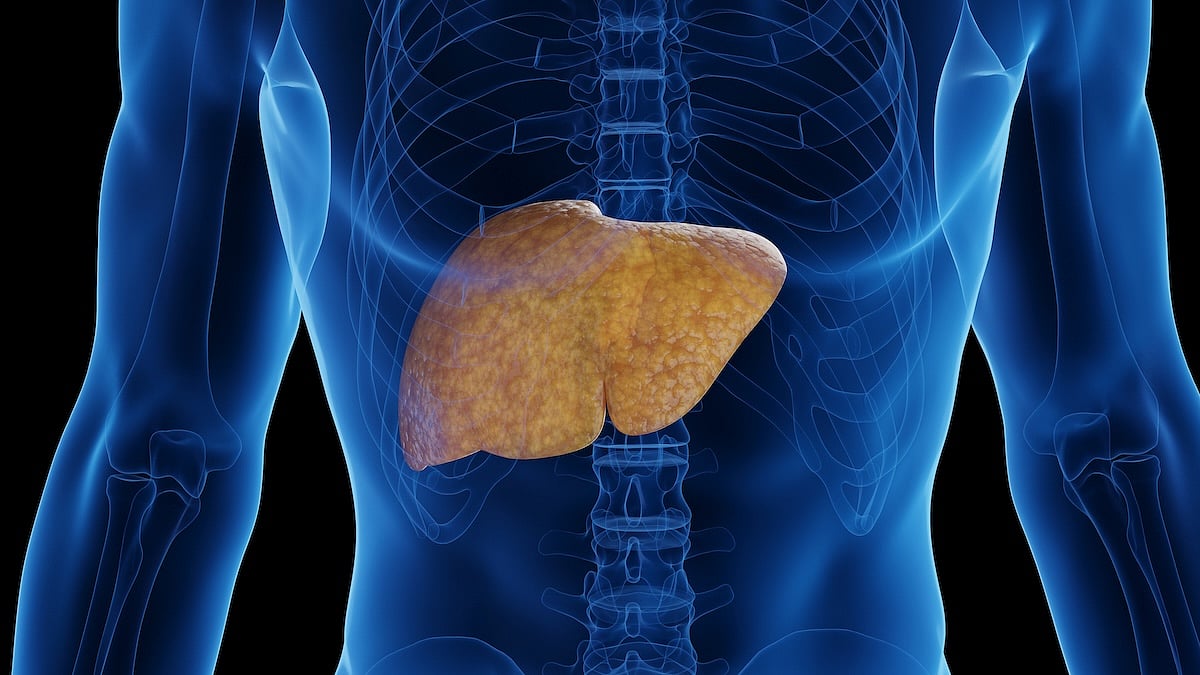 Genetics, Diabetes Tied to MASLD-Associated Cirrhosis Before Age 50
  Biomarkers Plus Kidney Donor Profile Index Improve Prediction of Concordant Allograft Outcomes
  GLP-1 Receptor Agonists, SGLT-2is Slow Renal Function Decline in T2D With Albuminuria
 .jpeg) 1997 to 2022 Saw Increase in Pediatric Hospitalizations With AKI
1997 to 2022 Saw Increase in Pediatric Hospitalizations With AKI  Frailty Linked to Incident Cognitive Decline in Men With CKD
  UACR, UPCR Provide Indistinguishable Prognostic Information in CKD


.jpg)

