


CORSWO stratifies women into four risk levels
FRIDAY, Dec. 13, 2024 (HealthDay News) — The Coronary Risk Score in Women (CORSWO) can predict the risk of major adverse cardiovascular events (MACE), according to a study published online Dec. 5 in Radiology: Cardiothoracic Imaging.
Guillermo Romero-Farina, M.D., Ph.D., from Vall d”Hebron University Hospital in Barcelona, Spain, and colleagues conducted a retrospective analysis including 2,226 women from a cohort of 25,943 consecutive patients referred for clinical gated single-photon emission computed tomography myocardial perfusion imaging. The occurrence of MACE was assessed during a mean follow-up of 4 ± 2.7 years.
The researchers found that 148 of 1,460 women in the training group had MACE (2.6 percent per year). The best model to predict MACE in women had an area under the receiver operating characteristic curve (AUC) of 0.80 and included age older than 69 years, diabetes mellitus, pharmacologic test, ST-segment depression (≥1 mm), myocardial ischemia >5 percent, perfusion defect at rest >9 percent, perfusion defect at stress >6 percent, and end-systolic volume index >15 mL. The model achieved moderate performance during validation in 766 women (AUC, 0.78). CORSWO allowed for stratification into four risk levels: low, moderate, high, and very high. In women, the high and very-high risk levels predicted MACE, with excellent performance (AUC, 0.78).
“CORSWO is an effective tool to stratify the risk for MACE into four risk levels, including high and very-high risk, with good accuracy, although requiring multiple imaging variables,” the authors write.
 PET/MRI Offers Diagnostic, Prognostic Value in Pediatric Epilepsy
  Odds of Imaging Order Higher When Clinicians Self-Interpret
 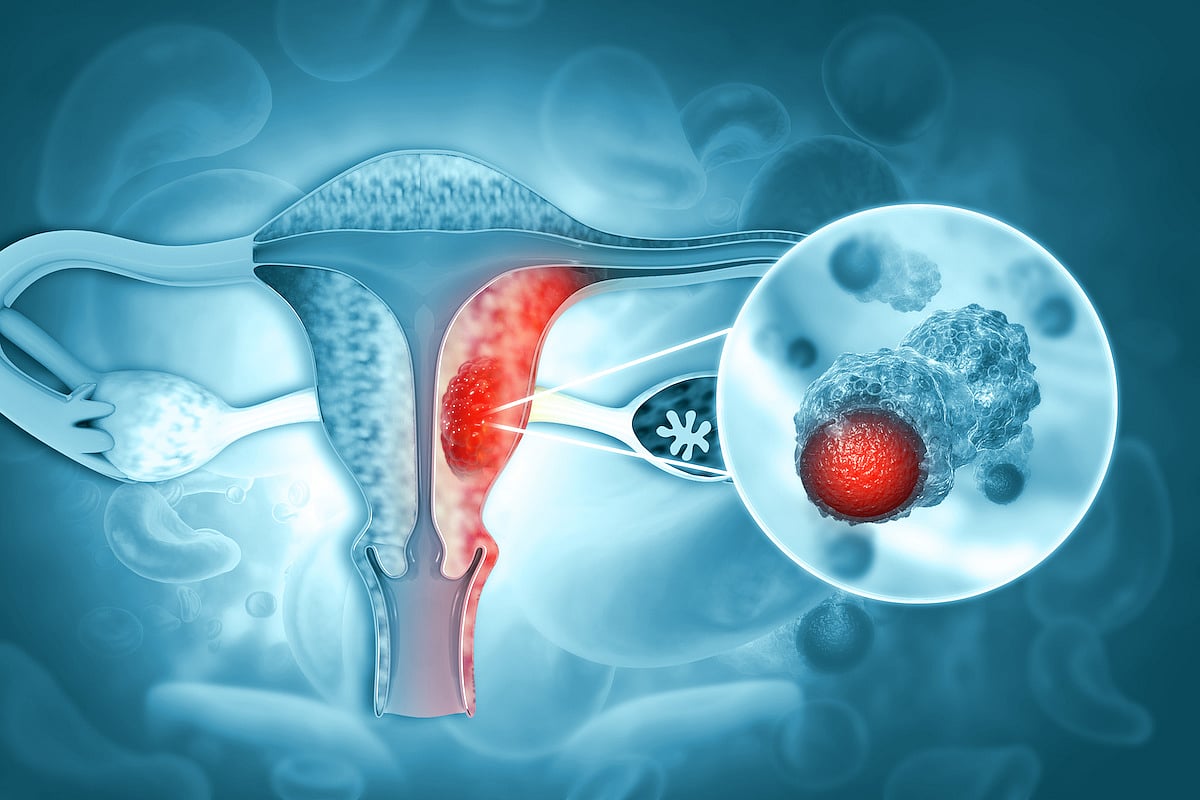 Catheter-Based OCT May Help ID Early Endometrial Cancer
 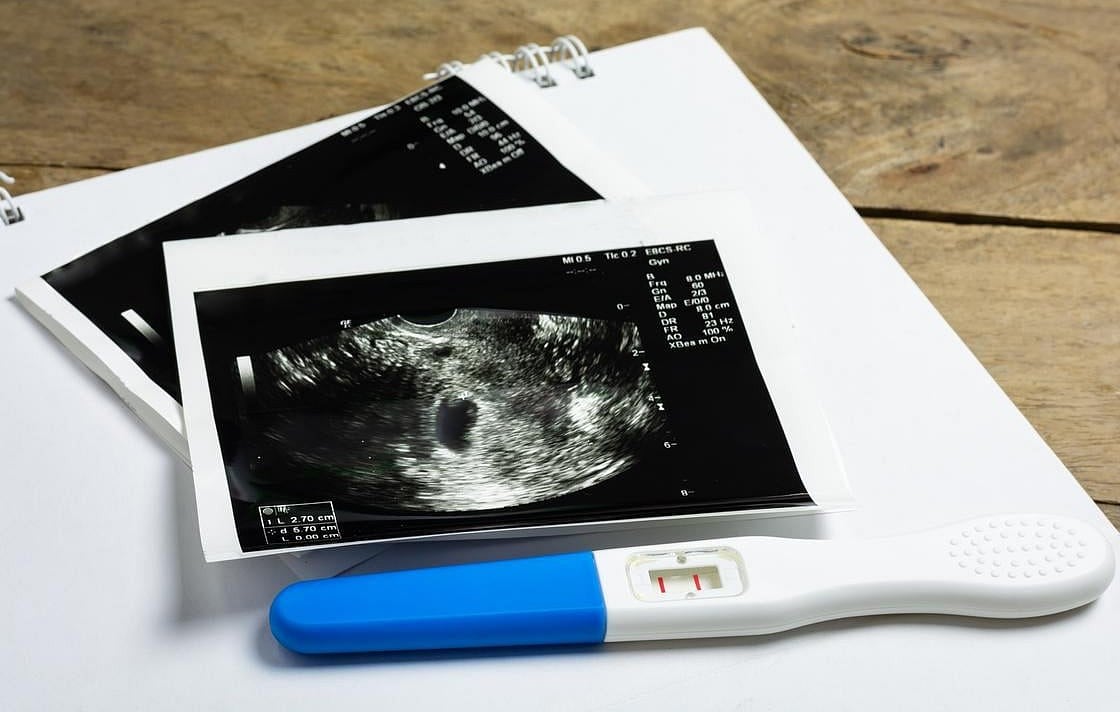 Wearable Ultrasound Patch Provides Continuous Fetal Monitoring
  Low Levels of Placental Growth Factor in Pregnancy Linked to Subsequent ADHD in Offspring
  Recommendations Issued for Use of Incretin-Based Meds in Pregnancy
 .jpg) Pregnancy Complications Linked to Subsequent Risk for Cardiometabolic-Renal Conditions
Pregnancy Complications Linked to Subsequent Risk for Cardiometabolic-Renal Conditions  Isometric Exercise Training Three Times a Week Preserves Cardiovascular Benefits



