


Greater baseline atrophy within the EOAD signature predicts faster progression from MCI to dementia
WEDNESDAY, Aug. 26, 2026 (HealthDay News) — Baseline cortical atrophy measured within the early-onset Alzheimer disease (EOAD) signature, a set of predominantly parietotemporal regions showing greater atrophy in EOAD than in controls, can predict progression from mild cognitive impairment (MCI) to dementia, according to a study published online Aug. 26 in Neurology.
Thiago Paranhos, M.D., from Massachusetts General Hospital and Harvard Medical School in Boston, and colleagues examined whether baseline cortical atrophy on structural magnetic resonance imaging predicts progression to dementia in patients with MCI due to EOAD. Cortical atrophy was measured within the EOAD signature, and the global Clinical Dementia Rating was used to measure clinical severity. Participants included 130 patients aged 40 to 64 years with biomarker-supported sporadic EOAD at the MCI stage and 97 cognitively normal controls.
The researchers found that faster progression to dementia was predicted by greater baseline atrophy within the EOAD signature (hazard ratio, 1.24 per one-standard deviation increase in atrophy). Model fit was significantly improved by adding EOAD-signature atrophy burden to a model including baseline clinical severity (Δ Akaike Information Criterion, −4.5).
“Better tools are needed to predict when someone with early-onset Alzheimer”s disease may lose independence and progress from MCI to dementia,” coauthor Alexandra Touroutoglou, Ph.D., also from Harvard Medical School in Boston, said in a statement. “This brain scan biomarker we developed may help predict how quickly the disease will progress in each individual, giving physicians, people with early-onset Alzheimer”s disease and their families better information about what to expect and allowing earlier clinical trial enrollment for treatments that may improve outcomes.”
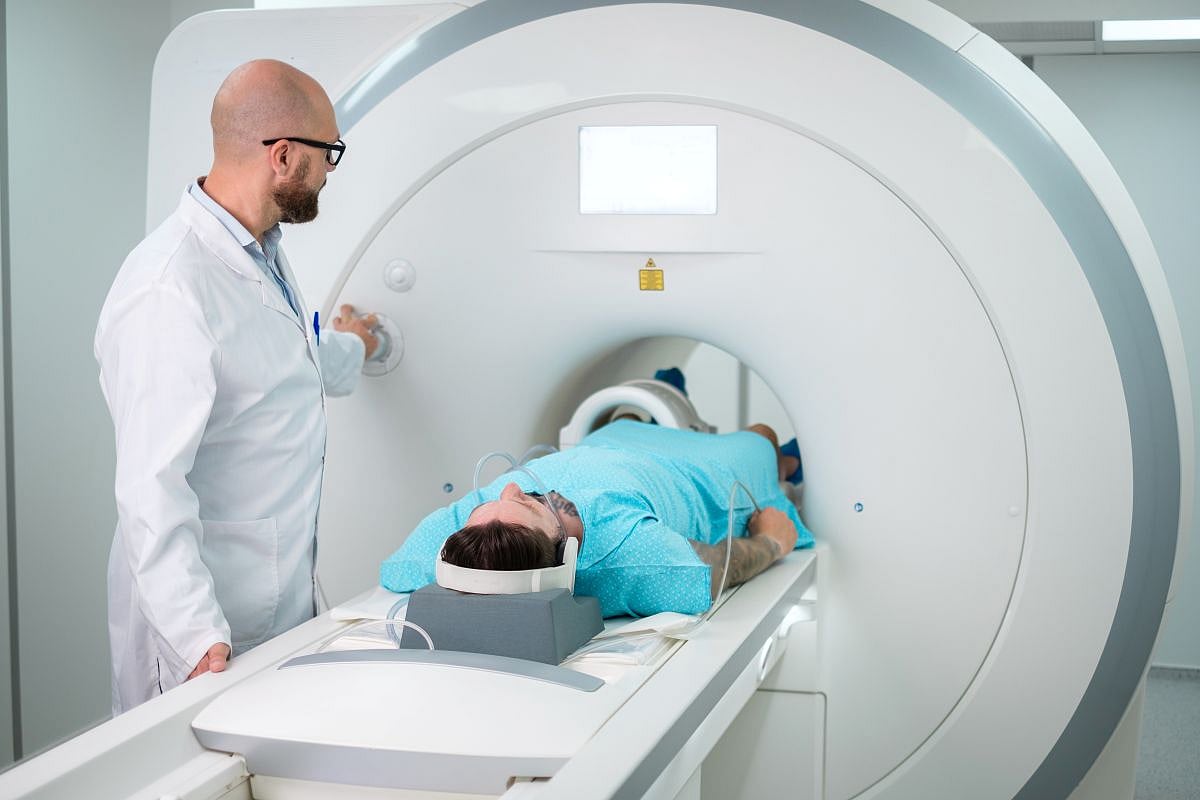 Pre-Prostate Biopsy MRI Use Increased From 2017 to 2026
  Lower Vertebral Bone Mineral Density Linked to Cognitive Decline
  Insomnia Linked to Increased Risk for Stroke, Odds of Admission
  Increased Dementia Risk Seen After Transient Ischemic Attack
  Incidence of Stroke Increasing Among Young Adults
  Nearly 3 in 4 Older Adults Express Interest in Vaccine to Prevent Dementia
  Voice Disorders Linked to Elevated Risk for Incident Cognitive Decline
.jpg)



