


Linear association with total CVD, all-cause mortality seen for pattern including high intakes of chocolate, confectionary, butter, low-fiber bread
THURSDAY, April 22, 2021 (HealthDay News) — In a study published online April 22 in BMC Medicine, researchers identify two common dietary patterns associated with an increased risk for cardiovascular disease (CVD) and all-cause mortality.
Min Gao, from the School of Public Health at the Peking University Health Science Centre in Beijing, and colleagues collected detailed dietary data using a 24-hour online dietary assessment for 116,806 individuals. Dietary patterns were derived and prospective associations with all-cause mortality and fatal and nonfatal CVD were evaluated.
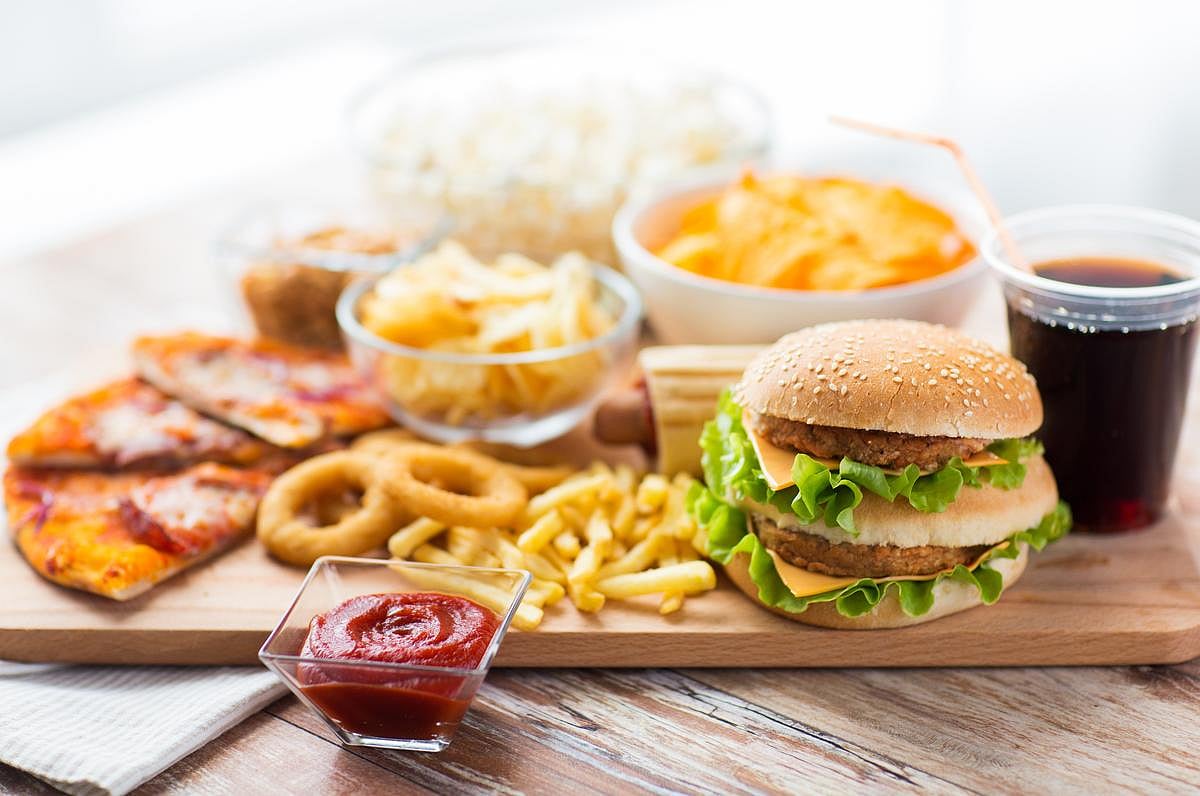
The researchers identified 4,245 cases of total CVD, 838 cases of fatal CVD, and 3,629 cases of all-cause mortality during an average 4.9 years of follow-up. Sixty-three percent of variation in energy density, free sugars, saturated fat, and fiber intakes in total were due to two dietary patterns. High intakes of chocolate and confectionary, butter, and low-fiber bread and low intakes of fresh fruit and vegetables characterized the main dietary pattern. A positive linear association was identified between this dietary pattern and total CVD (hazard ratio [HR] per z-score, 1.07; HR for total CVD, 1.40; HR for all-cause mortality, 1.37 in the highest quintile). Higher intakes of sugar-sweetened beverages, fruit juice, and table sugar/preserves characterized a second dietary pattern. A nonlinear association was identified with total CVD risk and all-cause mortality, with elevated risk in the highest quintile (HR for total CVD, 1.14; HR for all-cause mortality, 1.11).
“The present study helps identify specific foods and beverages which are major contributors to unhealthy dietary patterns and provides evidence to underpin food-based dietary advice to reduce health risks,” the authors write.
 Recommendations Issued for Use of Incretin-Based Meds in Pregnancy
 Eating More Ultraprocessed Foods Heightens Risk for Chronic Diseases
 Nutritional Deficiencies Seen in Youth Taking GLP-1 Receptor Agonists
 2009 to 2023 Saw Surge in Probiotic Supplement Use
 1 in 3 With Lupus Take Supplements, Medications With Potential for Interactions
 High-Dose Omega-3 Linked to A-Fib Risk in Patients With High CVD Risk
 Docosahexaenoic Acid Supplement Does Not Improve Cognitive Performance
 Sugar-Sweetened Beverage, Fruit Juice Intake Linked to Hypertension Risk




.jpg)
