



Electronic noses detect volatile organic compounds in exhaled breath to diagnose cancer
THURSDAY, June 30, 2022 (HealthDay News) — Electronic noses (e-noses) appear to have a relatively high diagnostic accuracy in the detection of cancer from exhaled breath, according to a systematic review and meta-analysis published online June 29 in JAMA Network Open.
Max H.M.C. Scheepers, M.D., from Maastricht University in the Netherlands, and colleagues conducted a systematic literature review to identify studies evaluating the diagnostic accuracy and methodologic challenges of using e-noses for the detection of cancer.
Based upon 52 included feasibility studies (3,677 patients with cancer), the researchers found that the sensitivity of e-noses ranged from 48.3 to 95.8 percent and the specificity from 10.0 to 100.0 percent. Pooled analysis yielded a mean area under the receiver operating characteristic curve of 94 percent, a sensitivity of 90 percent, and a specificity of 87 percent. Differences in the selection of patients, endogenous and exogenous factors, and collection of exhaled breath resulted in considerable heterogeneity of the studies.
“Although e-noses were found to have promising accuracy in detecting cancer, there is a need for standardized external validation studies that evaluate their diagnostic accuracy so that their role in the diagnostic workup of cancer can be established,” the authors write.
.jpg) Most Specialty Oral Anticancer Meds for Blood Cancers Are Initially Rejected by Insurers
Most Specialty Oral Anticancer Meds for Blood Cancers Are Initially Rejected by Insurers  Personalized Support Boosts Families" Genetic Testing for Hereditary Cancers
 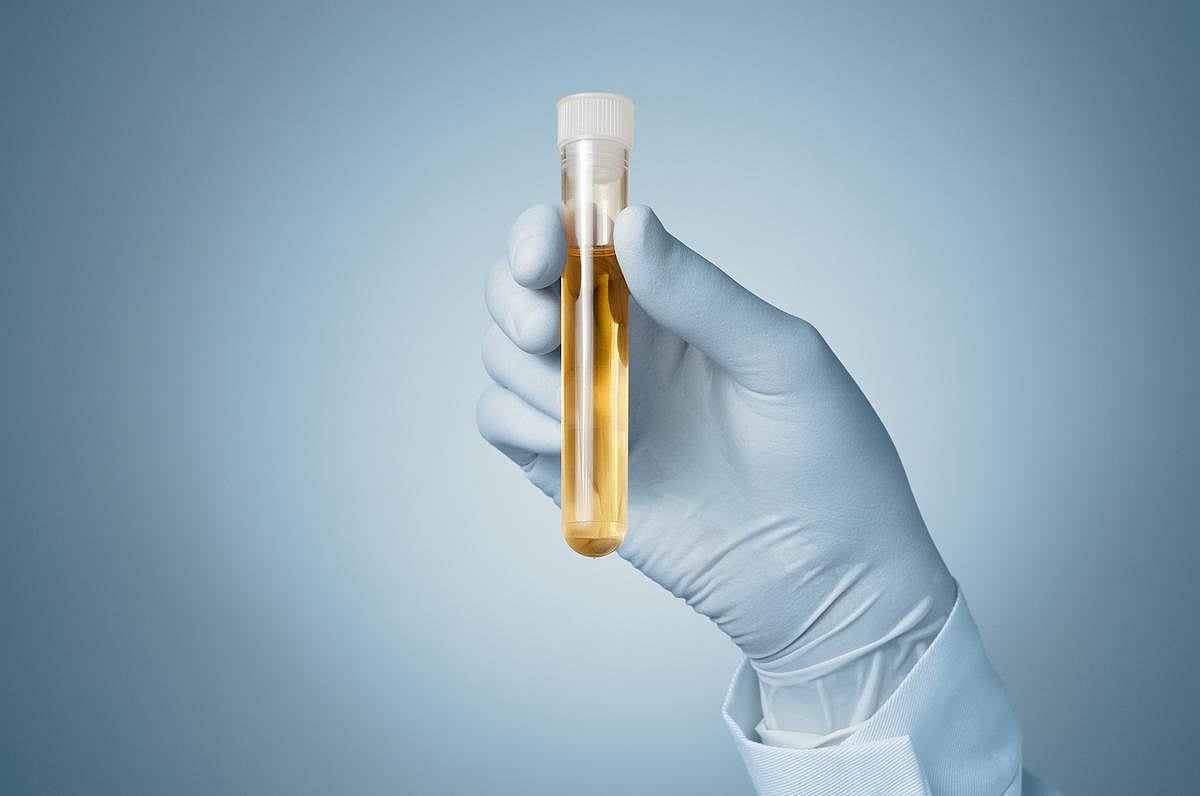 Urine Cell-Free RNA Shows Promise as Biomarker for Bladder Cancer
  Age-, Joint-Specific Ultrasound Reference Values Set for Healthy Joints
  Holding DMARDs at Time of COVID-19 Vaccine Not Warranted in Those With Inflammatory Arthritis
  Lower Vertebral Bone Mineral Density Linked to Cognitive Decline
  Disparities Identified in Home Health Care After Hip, Knee Replacement
  Drug Retention in Spondyloarthritis Varies With Socioeconomic Status




