


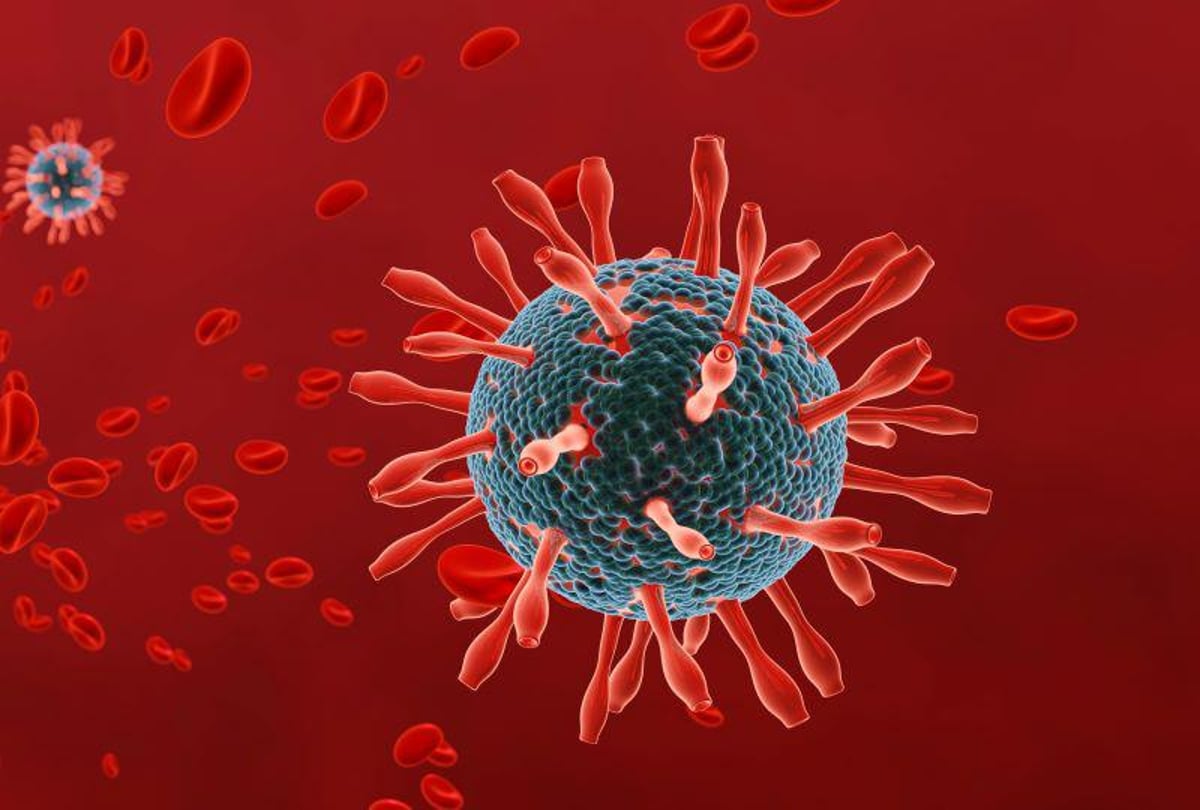
Announcement is not binding and national governments within the European Union will still be able to set their own public health policies
THURSDAY, April 28, 2022 (HealthDay News) — The European Union announced Wednesday that Europe is moving out of the emergency phase of the pandemic, and the E.U. will now focus on vaccination, surveillance, and testing in preparation for a possible COVID-19 surge next fall.
“New variants can emerge and spread fast,” said E.U. President Ursula von der Leyen, The New York Times reported. “But we know the way forward. We need to further step up vaccination and boosting, and targeted testing — and we need to continue to coordinate our responses closely in the E.U.”
The announcement is not binding, and national governments within the European Union will still be able to set their own public health policies. Several have dropped restrictions recently, The Times reported.
Deaths and hospitalizations throughout the European Union have decreased as the less severe omicron variant has become prevalent. About three-quarters of Europeans are fully vaccinated. More than half have also received a booster shot, according to The Times.
Still, World Health Organization leader Tedros Adhanom Ghebreyesus urged caution, warning about a sharp reduction in testing, which he said risked leaving the world blind as new COVID-19 variants potentially emerge, according to The Times. “When it comes to the deadly virus, ignorance is not a bliss,” Ghebreyesus said.
 ~16 Percent of COVID Cases Develop Postacute Sequelae of SARS-CoV-2
  Parts of the World Seeing New COVID-19 Variant
  HHS, NIH Unveil Vaccine Initiative to Protect Against Future Pandemics
  Hospital-Onset SARS-CoV-2 Infection During Omicron Linked to Morbidity
  Staffing, Scheduling, and Wage Changes Could Reattract Nurses Back to Hospitals
  Skilled Nursing Facility Capacity Declined Between 2019 and 2024
  Physical Design of Critical Care Units Influences Nursing Culture
  Low Capability Pediatric Hospitals More Than Doubled From 2003 to 2022




