



Some life habits and socioeconomic factors such as alcohol consumption, smoking, relationship status, physical activity may also contribute
MONDAY, April 19, 2021 (HealthDay News) — Higher levels of estradiol and follicle-stimulating hormone, irregular menstrual cycles, and symptoms of menopause are strong indicators that a woman is approaching menopause, according to a study published online April 12 in Menopause. Social and socioeconomic factors may also contribute.
Matti Hyvärinen, from the University of Jyväskylä in Finland, and colleagues used longitudinal data from 279 47- to 55-year-old women participating in the Estrogenic Regulation of Muscle Apoptosis study to build a 32-covariate model (model 1) to predict age at natural menopause. A subset of 16 self-reported covariates was used to build an easy-to-access model (model 2).
The researchers report that alcohol consumption, vasomotor symptoms, self-reported physical activity, and relationship status were predictors in both models. Estradiol and follicle-stimulating hormone levels as well as standard deviation of menstrual cycle length were also included in model 1, while model 2 included smoking, education, and the use of hormonal contraception as additional predictors. For models 1 and 2, the mean c-indices were 0.76 and 0.70, respectively, which indicated good concordance between the predicted and observed values. The mean absolute errors for models 1 and 2 were 0.56 and 0.62 years, respectively, which were smaller than the predicted sample mean (1.58).
“The suggested approach could add value for clinicians’ decision making related to the use of contraception and treatments for menopausal symptoms in perimenopausal women,” the authors write.
One author disclosed financial ties to Biogen Finland.
Abstract/Full Text (subscription or payment may be required)
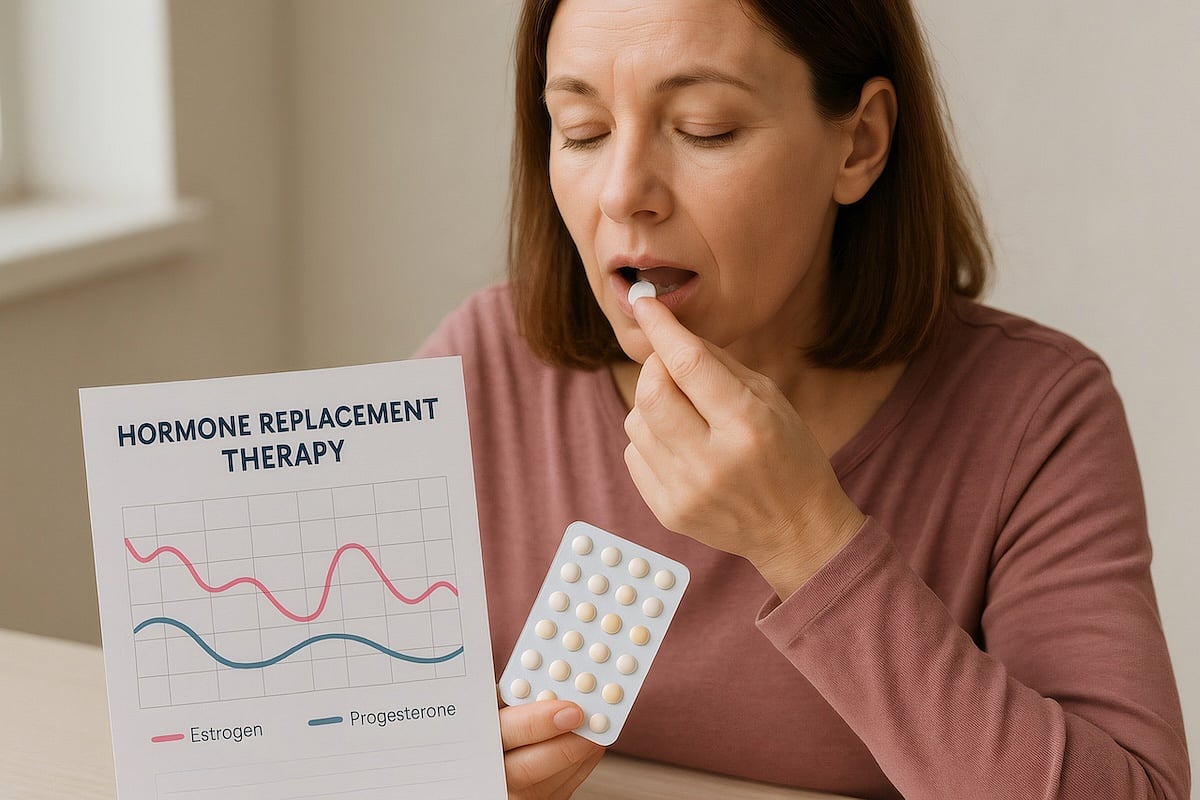 Oral Menopausal Hormone Therapy Linked to Venous Thromboembolic Risk
  MHT Initiation May Reduce Cardiovascular Risk in Women With Vasomotor Symptoms
  Longer Reproductive Lifespan Tied to Lower Bronchiectasis Risk in Postmenopausal Women
  Midlife Onset of Increasing Pulse Pressure Not Linked to Menopause
 .jpg) Pregnancy Complications Linked to Subsequent Risk for Cardiometabolic-Renal Conditions
Pregnancy Complications Linked to Subsequent Risk for Cardiometabolic-Renal Conditions  Isometric Exercise Training Three Times a Week Preserves Cardiovascular Benefits
  IBD Not Linked to Risk for Hypertensive Disorders of Pregnancy Overall
  Mortality in Injured Children Linked to Higher SBP Thresholds Than Those That Define Hypotension



.jpg)
