


System integrates glucose biosensor with an AI-driven platform to show how food, activity, stress, sleep affect the body in real time
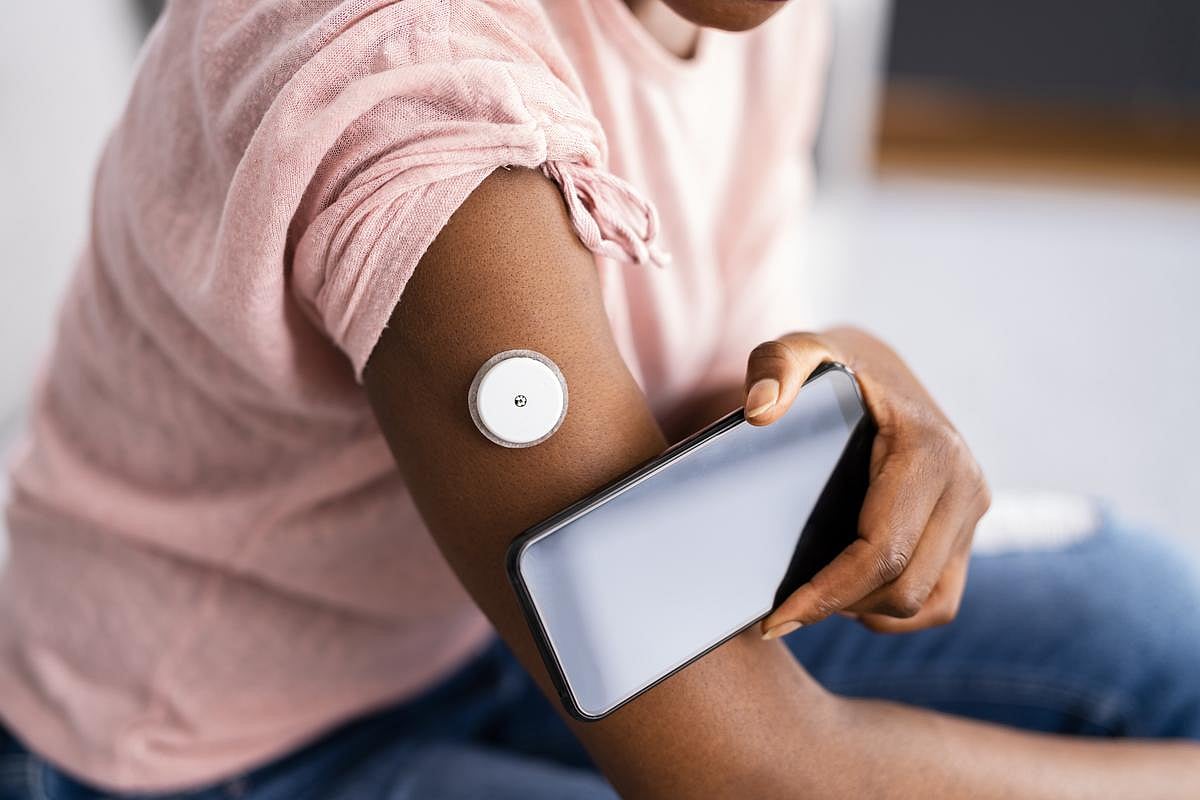
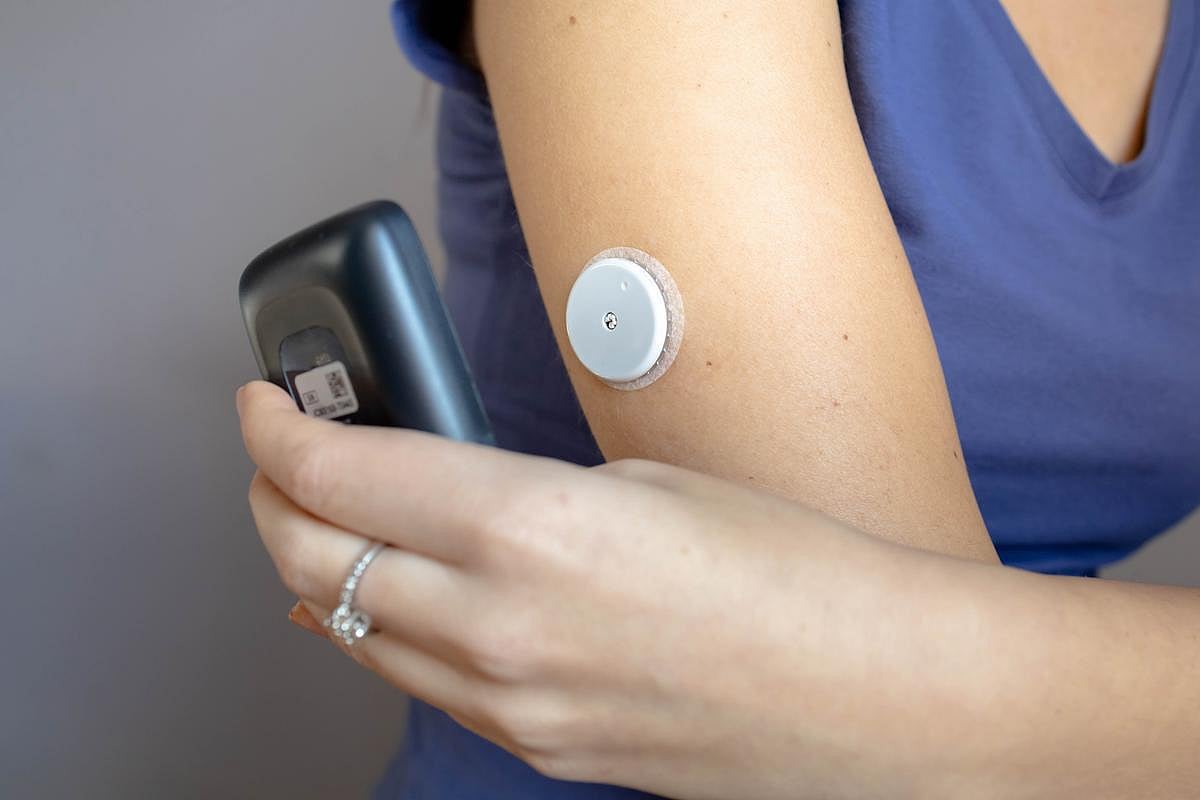
FRIDAY, Aug. 22, 2025 (HealthDay News) — The U.S. Food and Drug Administration has cleared the Signos Glucose Monitoring System, an over-the-counter glucose monitoring system for weight management.
Signos integrates the Stelo by Dexcom glucose biosensor with an artificial intelligence-driven platform to show how food, activity, stress, sleep, and timing affect the body in real time — empowering people to make personalized, biology-backed health decisions.
Key features of the monitoring system include personalized metabolic guidance that uses the body”s own signals and artificial intelligence-driven insights to help users improve sleep, manage weight, and lower chronic disease risk. The system translates real-time glucose fluctuations into simple, personalized recommendations for healthier daily habits and tracks and connects responses to meals, exercise, sleep, and stress.
Customers can subscribe to Signos with a three-month plan for $139 per month or a six-month plan for $129 per month. The company provides all necessary continuous glucose monitors for the chosen plan duration.
According to the U.S. Centers for Disease Control and Prevention, 73.6 percent of U.S. adults are classified as having overweight or obesity. With the results of the Global Burden of Disease Study 2021 projecting diabetes diagnoses will reach 1.3 billion by 2050, the scale of the metabolic health crisis is rapidly accelerating.
“This is more than a product launch — it”s a mission,” Sharam Fouladgar-Mercer, CEO and founder of Signos, said in a statement. “Everyone deserves access to insights that help them live healthier, longer, more vibrant lives. Signos isn”t just about data; it”s about giving people ownership over their health and weight journeys in a way never before seen.”
 Sleep Coaching No Aid for Glucose Beyond Diabetes Lifestyle Program
 Weight-Loss Surgery Produces Lasting Diabetes Remission
 Mom"s Poor Sleep in Late Pregnancy Linked to Offspring"s Obesity Risk in Early Childhood
 Continuous Glucose Patterns May ID Cardiometabolic Risk Without Diabetes
 Primary Care Initiation of Continuous Glucose Monitoring Is Effective
 Continuous Glucose Monitors Not Accurate in People Without Diabetes
 Access to Modern Technologies, Insulin Affects HbA1c Levels in Pediatric Type 1 Diabetes
 2009 to 2023 Saw Increase in Use of Technology, Glycemic Control in Type 1 Diabetes
.jpeg)




