


Authors say in those without diabetes, continuous glucose monitors are not a substitute for HbA1c
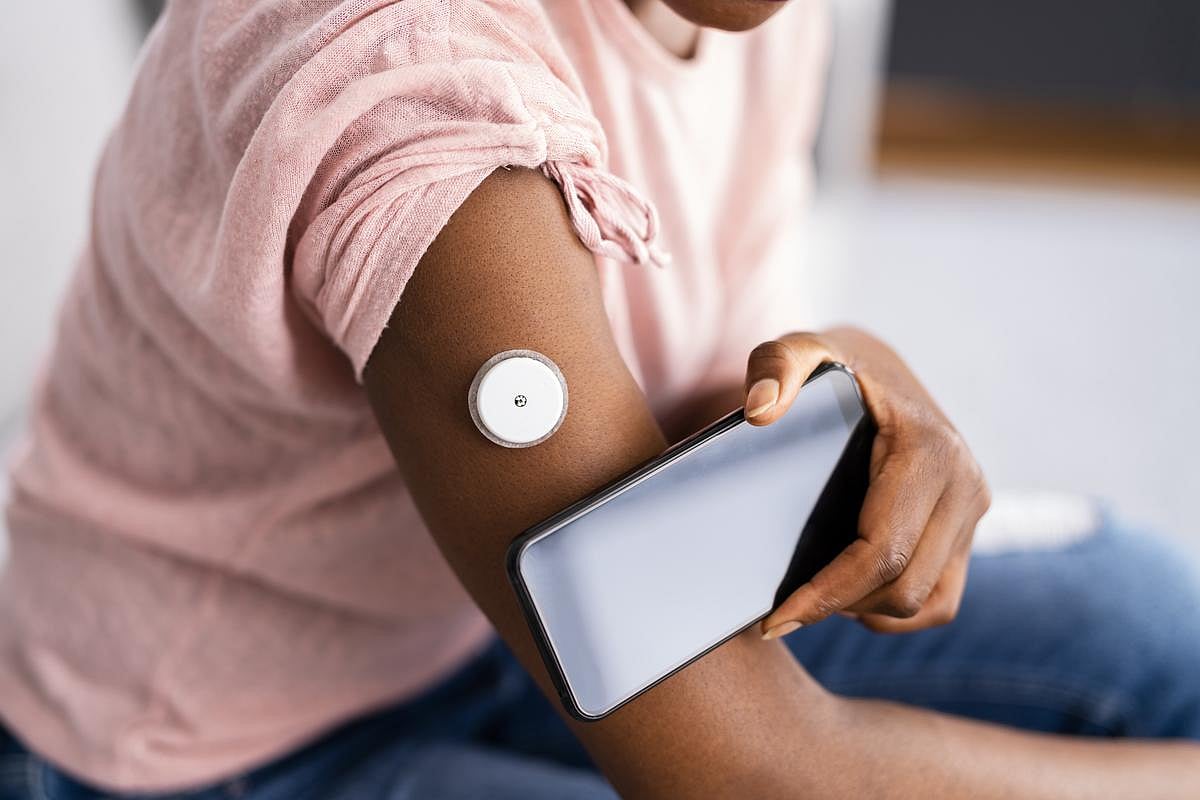
WEDNESDAY, Oct. 8, 2025 (HealthDay News) — Continuous glucose monitors (CGMs) do not accurately reflect blood sugar control in people without diabetes, according to a study published online Oct. 1 in Diabetes Technology & Therapeutics.
Jorge A. Rodriguez, M.D., from Brigham and Women’s Hospital in Boston, and colleagues examined associations between hemoglobin A1c (HbA1c) and eight CGM metrics across glycemic status using data in adults aged 40 to 85 years from the Artificial Intelligence Ready and Exploratory Atlas for Diabetes Insights cohort. The analysis included 421 individuals with type 2 diabetes, 319 with prediabetes, and 232 with normoglycemia.
The researchers found that associations were strongest in type 2 diabetes, with mean glucose showing the strongest relationships (standardized β = 0.79). Associations were substantially attenuated in those with prediabetes, with mean glucose showing a moderate association (standardized β = 0.22). There were minimal associations among individuals with normoglycemia, with mean glucose demonstrating a weak association (standardized β = 0.10).
“Our study reaffirms that CGMs are great tools for people with diabetes, but their numbers don’t reflect the standard HbA1c test for people with prediabetes or normal blood sugar,” Rodriguez said in a statement. “Especially for those without diabetes, CGM data is not a substitute for HbA1c.”
Abstract/Full Text (subscription or payment may be required)
.jpg) Pregnancy Complications Linked to Subsequent Risk for Cardiometabolic-Renal Conditions
Pregnancy Complications Linked to Subsequent Risk for Cardiometabolic-Renal Conditions  GLP-1 Receptor Agonists, SGLT-2is Slow Renal Function Decline in T2D With Albuminuria
  Continuous Glucose Patterns May ID Cardiometabolic Risk Without Diabetes
  Genetics, Diabetes Tied to MASLD-Associated Cirrhosis Before Age 50
  Steatotic Liver Disease Risk Scores Compared for Predicting Cirrhosis
  Cirrhosis Can Recur After Liver Transplant
  Family History of CRC Increases CRC Risk Similarly in IBD, General Population
  Study IDs Risk Factors for Ketoacidosis in Adults With T2D Receiving SGLT2 Inhibitors


.jpg)

