


In a scientific statement, the association states that consuming caffeinated coffee linked to reduced risks for type 2 diabetes, heart disease, stroke, heart failure
WEDNESDAY, July 22, 2026 (HealthDay News) — Consuming up to 400 mg of caffeine/day, equivalent to up to five cups of caffeinated coffee, is considered safe for most adults and may reduce the risk for certain cardiovascular conditions, according to a scientific statement from the American Heart Association published online July 20 in Circulation.
Gregory M. Marcus, M.D., from the University of California in San Francisco, and colleagues describe the relationships between caffeine and cardiovascular risk factors and diseases.
The authors note that most of the human-based research on this topic is observational and has focused on beverages and foods that contain caffeine. They conclude that based on these data, consuming up to 400 mg caffeine/day, equivalent to up to five cups of black caffeinated coffee per day, is considered safe for most adults. Consuming caffeinated coffee, without the addition of sugars, flavors, or cream is associated with reduced risks for type 2 diabetes, heart disease, stroke, and heart failure, according to the scientific statement. Data have shown that caffeinated coffee reduces the risk for atrial fibrillation, but increases the frequency of premature ventricular contractions based on randomized controlled trial data. The impact of caffeinated coffee consumption on blood pressure varies based on consumption, with one to three cups per day linked to an increased risk for developing high blood pressure among those with optimal blood pressure and drinking more than three cups linked to lower risk. High caffeine doses, such as the doses from energy drinks or shots, are associated with significantly increased blood pressure, especially among those with high blood pressure.
“It”s important to remember that there is no “one-size-fits-all” strategy for safe caffeine consumption,” Marcus said in a statement. “People can respond very differently to caffeine based on various factors, such as age, medications, underlying health conditions, genetics, and how quickly their bodies metabolize it.”
One author disclosed ties to Boston Scientific.
.jpg) Pregnancy Complications Linked to Subsequent Risk for Cardiometabolic-Renal Conditions
Pregnancy Complications Linked to Subsequent Risk for Cardiometabolic-Renal Conditions  Lower Cognitive Functioning During 60s Linked to Subsequent Stroke Risk
  GLP-1 Receptor Agonists, SGLT-2is Slow Renal Function Decline in T2D With Albuminuria
 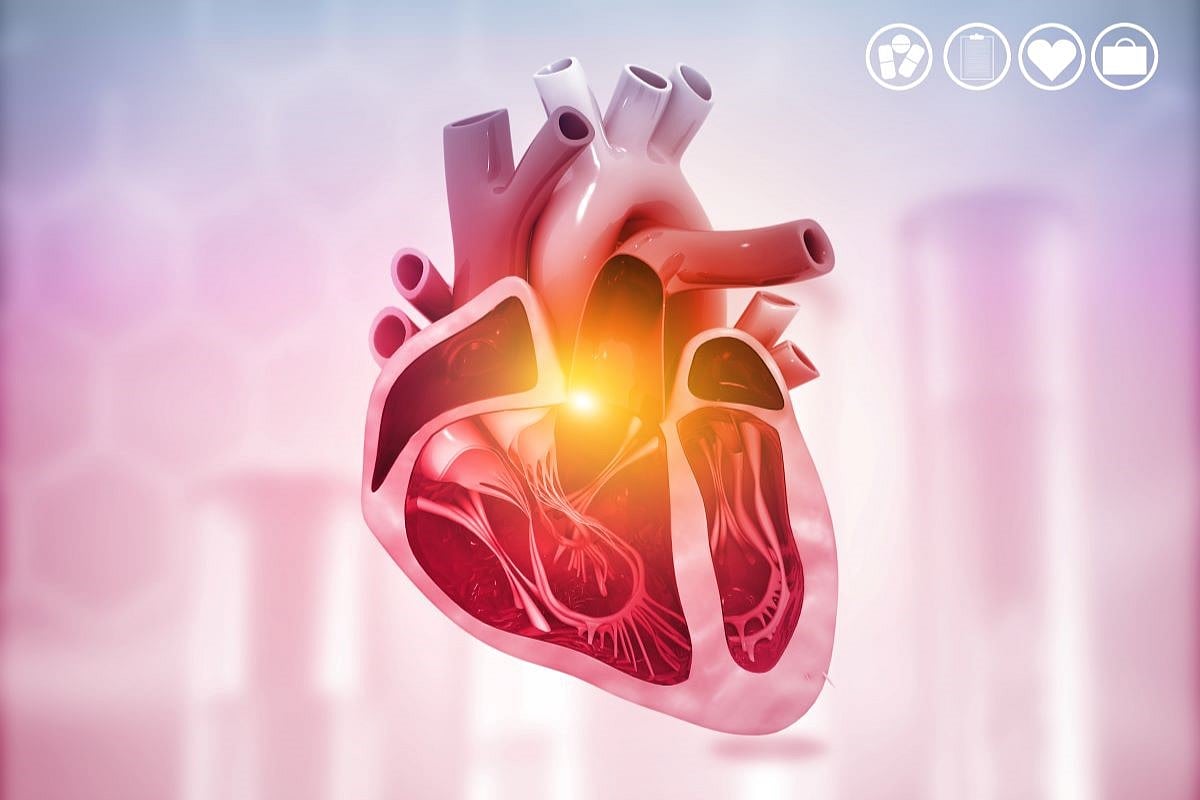 Elevated C-Reactive Protein Linked to Increased Risk for Incident Heart Failure, All-Cause Mortality
  UACR, UPCR Provide Indistinguishable Prognostic Information in CKD
  Better Cardiovascular Health Inversely Linked to Overactive Bladder
  Use of SAMA, SABA Linked to Cardiovascular Events, Mortality in Asthma, COPD
 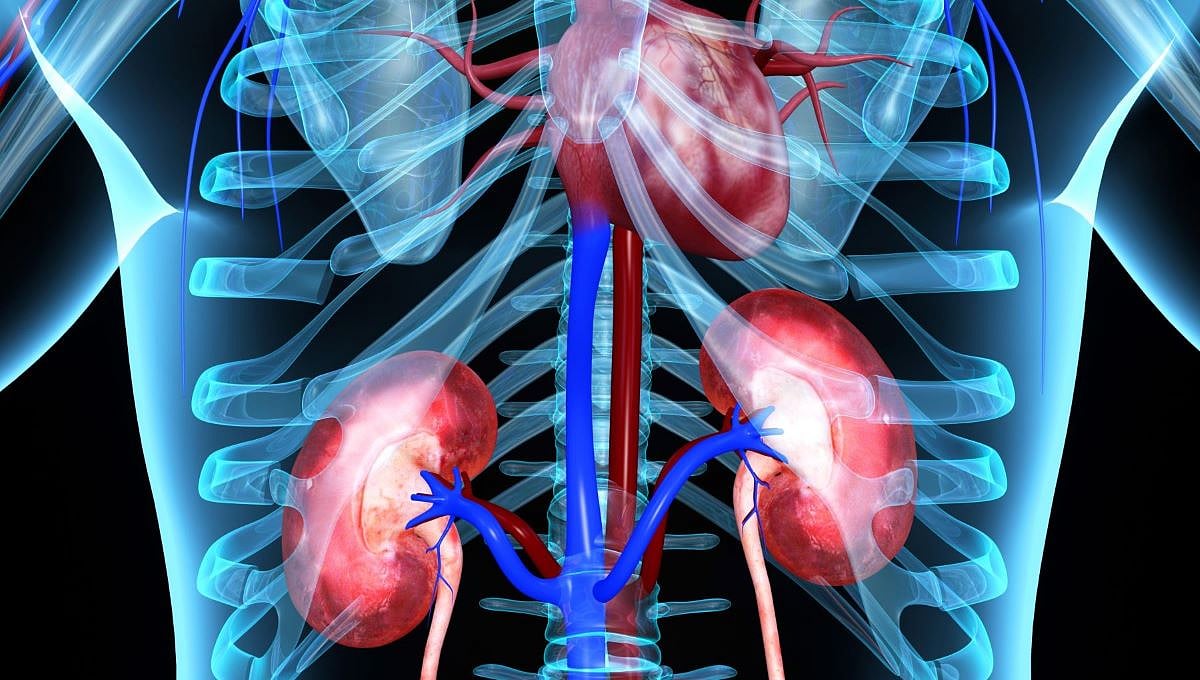 2011 to 2021 Saw Heart Failure-Related Hospitalization Rise in CKD
.jpg)



