



Most ION events occurred in men, patients 50 years or older, with minimal risk seen in women, patients younger than 50 years
THURSDAY, July 16, 2026 (HealthDay News) — Use of glucagon-like peptide-1 receptor agonists (GLP-1 RAs) is associated with a higher risk for ischemic optic neuropathy (ION) compared with sodium-glucose cotransporter 2 inhibitors (SGLT2is) and dipeptidyl peptidase-4 inhibitors (DPP4is), according to a study published online July 14 in the Annals of Internal Medicine.
Kamika R. Reynolds, Ph.D., from Rutgers University in New Brunswick, New Jersey, and colleagues estimated the effect of GLP-1 RAs versus SGLT2is and DPP4is on risk for ION in an observational emulation of a target trial involving patients aged 18 to 65 years with type 2 diabetes from a large U.S.-based commercial claims database.
The researchers found that the 18-month risk for ION was 8.5 versus 5.5 per 10,000 among GLP-1 RA users versus SGLT2i users and 7.8 versus 4.2 per 10,000 for GLP-1 RA users versus DPP4i users (risk differences, 3.0 and 3.6, respectively), with corresponding numbers needed to harm of 3,333 and 2,778, respectively. Most of the 81 ION events occurred in persons older than 50 years and in men (85.2 and 70.3 percent, respectively). For GLP-1 RA versus SGLT2i and DPP4i use, risk differences were attenuated in metformin monotherapy users (2.0 and 4.1, respectively) compared with users of two or more diabetes medications (5.7 and 4.0, respectively). Men, patients aged 50 years or older, and those with cardiovascular disease or ophthalmic conditions had higher risk differences, with minimal differences seen in women and those younger than 50 years.
“Despite the very low absolute risk for ION, the rapidly expanding use of GLP-1 RAs in patients with and without type 2 diabetes increases the clinical and public health importance of any potential association,” the authors write.
Abstract/Full Text (subscription or payment may be required)
.jpg) Pregnancy Complications Linked to Subsequent Risk for Cardiometabolic-Renal Conditions
Pregnancy Complications Linked to Subsequent Risk for Cardiometabolic-Renal Conditions  GLP-1 Receptor Agonists, SGLT-2is Slow Renal Function Decline in T2D With Albuminuria
  Study IDs Risk Factors for Ketoacidosis in Adults With T2D Receiving SGLT2 Inhibitors
 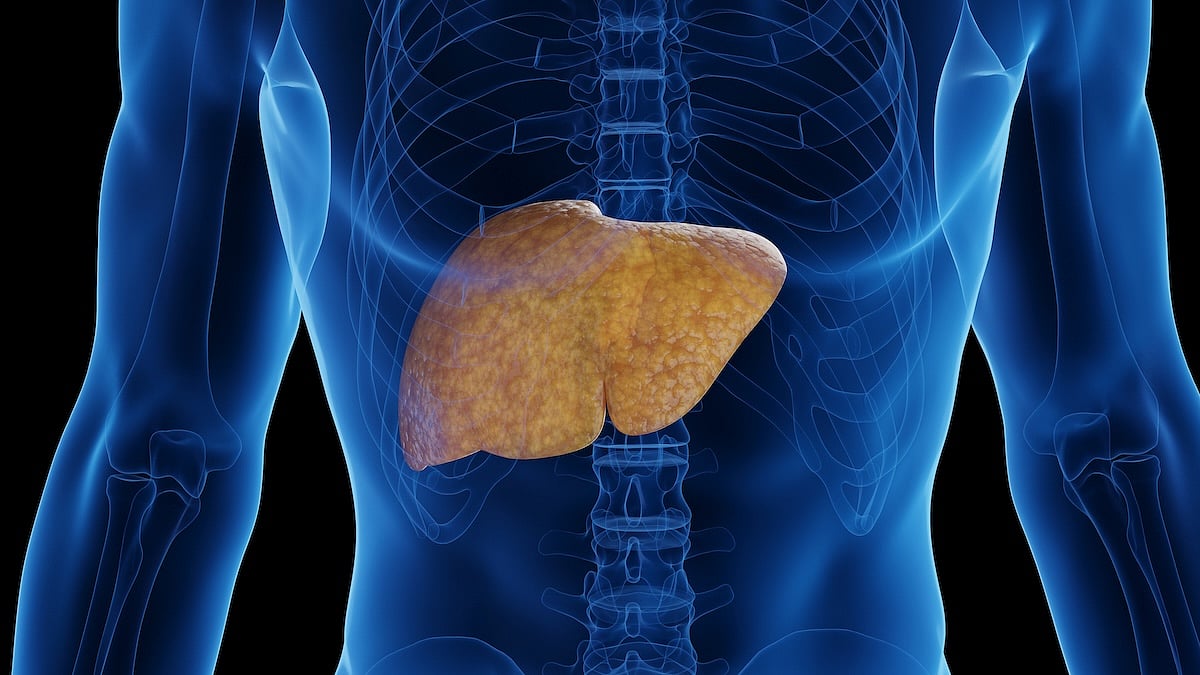 Genetics, Diabetes Tied to MASLD-Associated Cirrhosis Before Age 50
  Steatotic Liver Disease Risk Scores Compared for Predicting Cirrhosis
  Cirrhosis Can Recur After Liver Transplant
  Family History of CRC Increases CRC Risk Similarly in IBD, General Population
 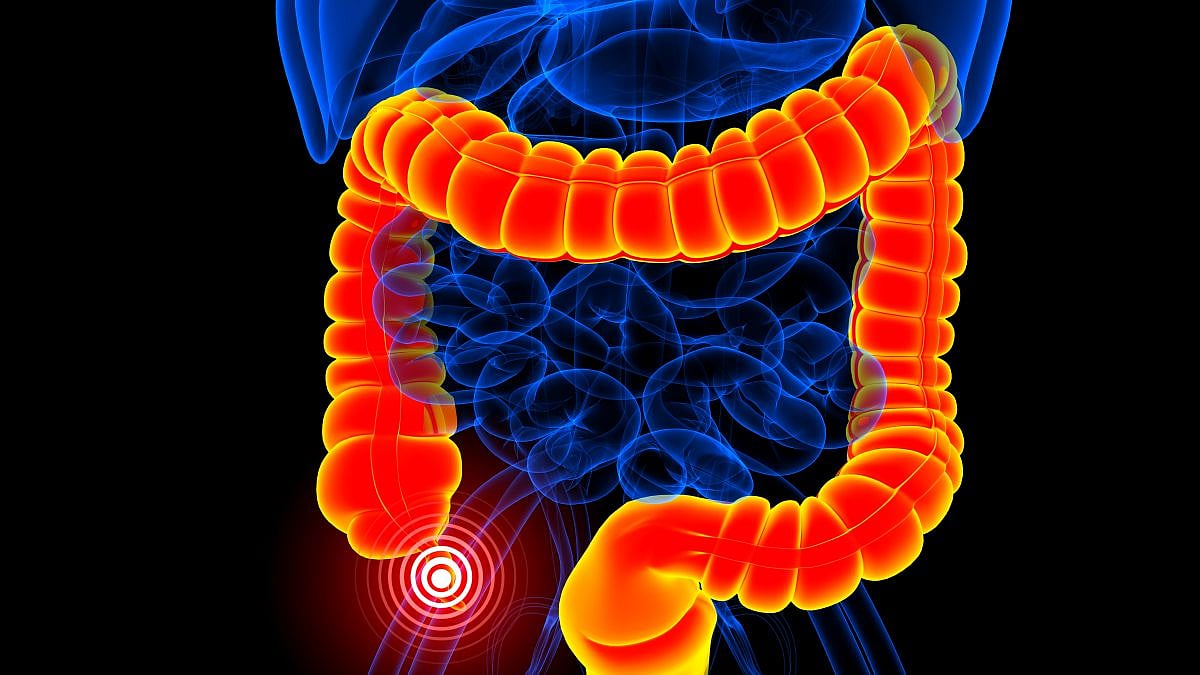 Relapse Rare After Appendiceal Adenocarcinoma Resection


.jpg)

