


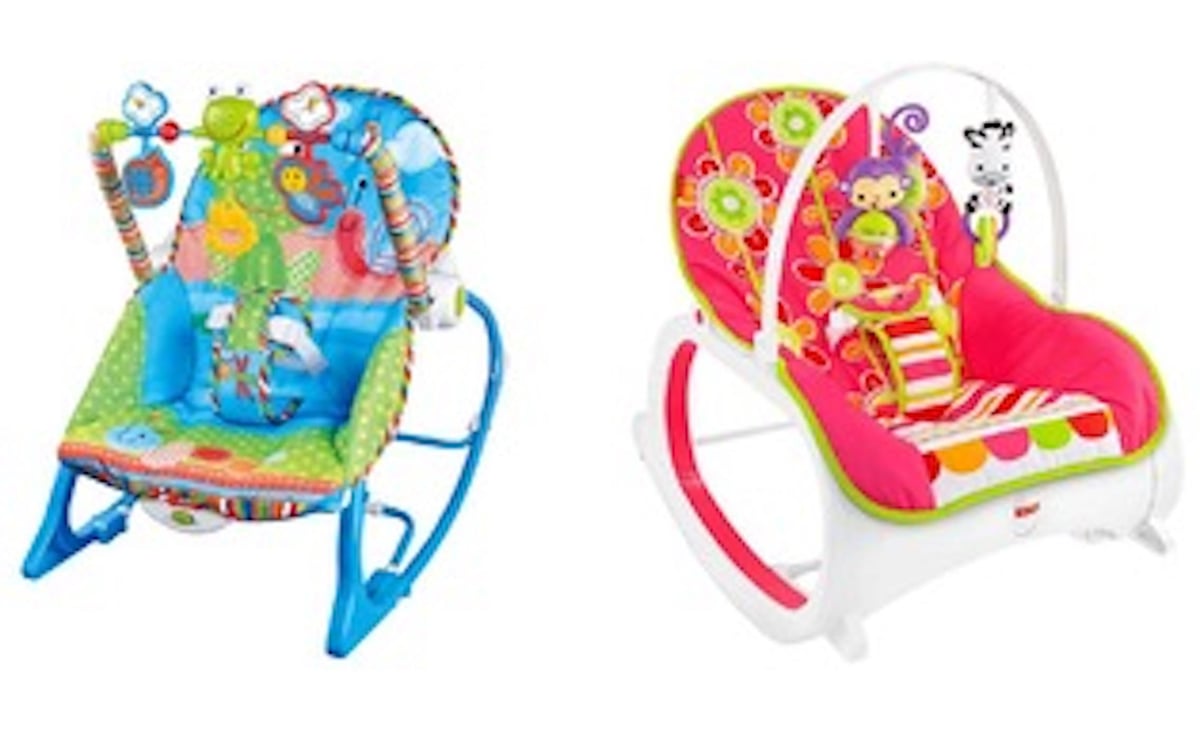
Rockers should never be used for sleep, and infants should never be unsupervised or unrestrained in the rockers
WEDNESDAY, June 15, 2022 (HealthDay News) — At least 13 infant deaths have been reported in Fisher-Price’s Infant-to-Toddler Rockers and Newborn-to-Toddler Rockers since 2009, while there has been one death reported with a Kids2 Bright Starts Rocker, the U.S. Consumer Product Safety Commission (CPSC) and both companies warned in new alerts issued Tuesday.
Rockers should never be used for sleep, and infants should never be unsupervised or unrestrained in the rockers, CPSC and the companies stressed.
Fisher-Price has sold more than 17 million rockers worldwide since the 1990s and recommends consumers visit its Safe Start website for safety videos, tips, and additional safety information, as well as the latest safety warnings. Consumers are asked to report incidents to Fisher-Price at 1-800-432-5437. Kids2 has sold more than 1.8 million rockers worldwide since 2012 and encourages consumers to call Kids2 at 1-800-230-8190 or go to its website to ask questions or report incidents.
The CPSC said consumers can report incidents involving rockers or other infant products at its website. The agency investigates incidents and deaths that occur while infants are using the products.
Parents and caregivers should never use inclined products such as rockers, gliders, soothers, and swings for infant sleep, and should not leave infants in these products unsupervised, unrestrained, or with bedding material, due to the risk of suffocation, the CPSC advises.
A new agency rule requiring that infant sleep products have a sleep surface angle of 10 degrees or less takes effect on June 23.
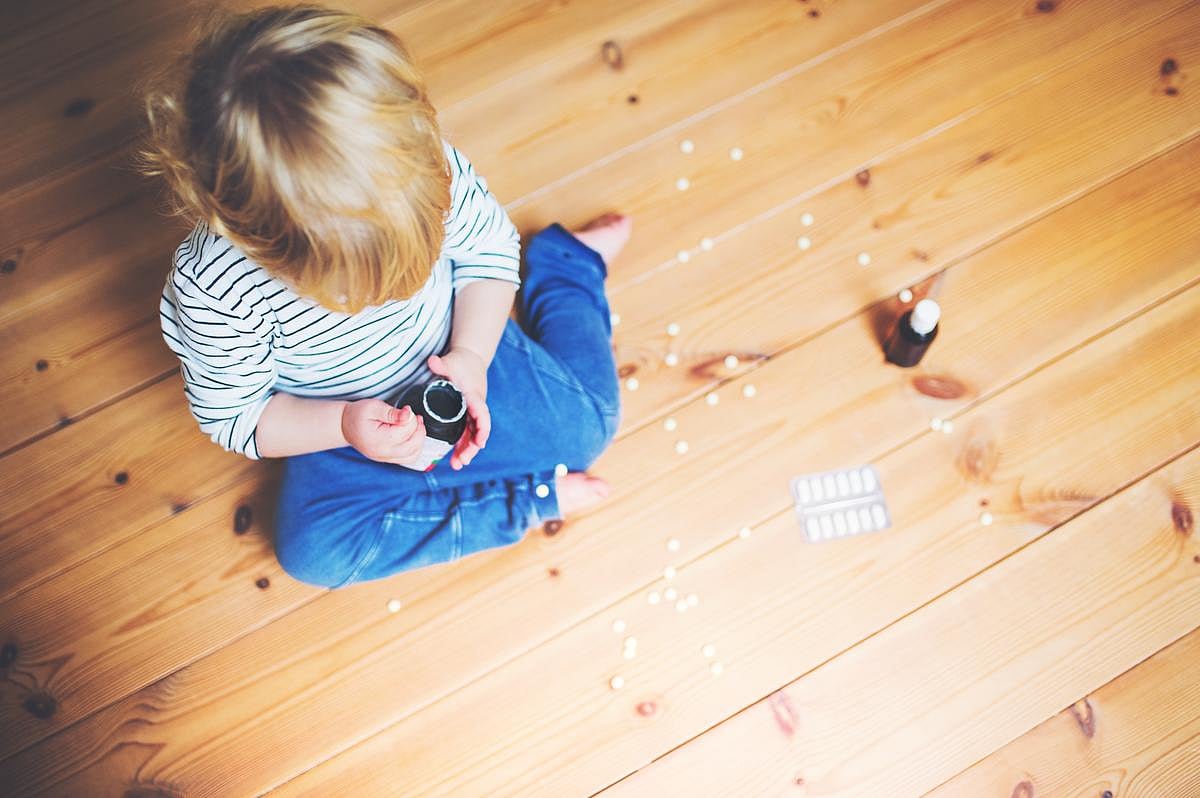 Nearly 2 in 3 Poison Exposures in Young Children May Not Need the ED
  Unintentional Ingestion of Recreational Drugs Increased, Especially Since 2013
  Inclined Sleeper-Associated Sudden Unexpected Infant Deaths Continued After Recall
  Non-Children"s Hospitals More Commonly Use Imaging Exposing Children to Ionizing Radiation
  PET/MRI Offers Diagnostic, Prognostic Value in Pediatric Epilepsy
  Odds of Imaging Order Higher When Clinicians Self-Interpret
  Protocol IDs Patients Who Can Be Treated While Seated in the ED
 .jpg) Bypassing the Closest Surgical Site for Urgent Care Tied to Worse Outcomes
Bypassing the Closest Surgical Site for Urgent Care Tied to Worse Outcomes 



.jpg)
