Signs and symptoms of some neurologic conditions overlap with botulism; thorough, serial neurologic exams should be conducted
WEDNESDAY, May 19, 2021 (HealthDay News) — In new evidence-based clinical guidelines published in the May 7 issue of the U.S. Centers for Disease Control and Prevention Morbidity and Mortality Weekly Report, recommendations are presented for diagnosing, monitoring, and treating botulism.
Agam K. Rao, M.D., from the CDC in Atlanta, and colleagues present recommended best practices for diagnosing, monitoring, and treating single cases or outbreaks of botulism. Botulinum neurotoxin is produced by the anaerobic, gram-positive bacterium Clostridium botulinum, and, rarely, by related species.
The authors note that botulism is a rare, neurotoxin-mediated disease, which begins with cranial nerve palsies and may progress to extremity weakness and respiratory failure. Physicians should be aware of the spectrum of signs and symptoms of botulism and that the respiratory system could be compromised early in illness. Regardless of the exposure route (ingestion of toxin, bacterial colonization of a wound or the intestines, and high-concentration cosmetic or therapeutic injection of toxin), neurologic symptoms are similar. Treatment includes supportive care, intubation and mechanical ventilation, and botulinum antitoxin administration. Signs and symptoms of some neurologic diseases overlap with botulism; botulism should be considered when myasthenia gravis or Guillain-Barré syndrome are suspected and in patients with unexplained symmetric cranial nerve palsies. Thorough, serial neurologic examinations should be conducted to detect the neurologic deficits of botulism and their progression.
“Clinicians, hospital administrators, state and local health officials, and planners can use the recommendations in these guidelines to assist in developing crisis protocols for national preparedness for botulism events ranging from sporadic (single) cases to large outbreaks,” the authors write.
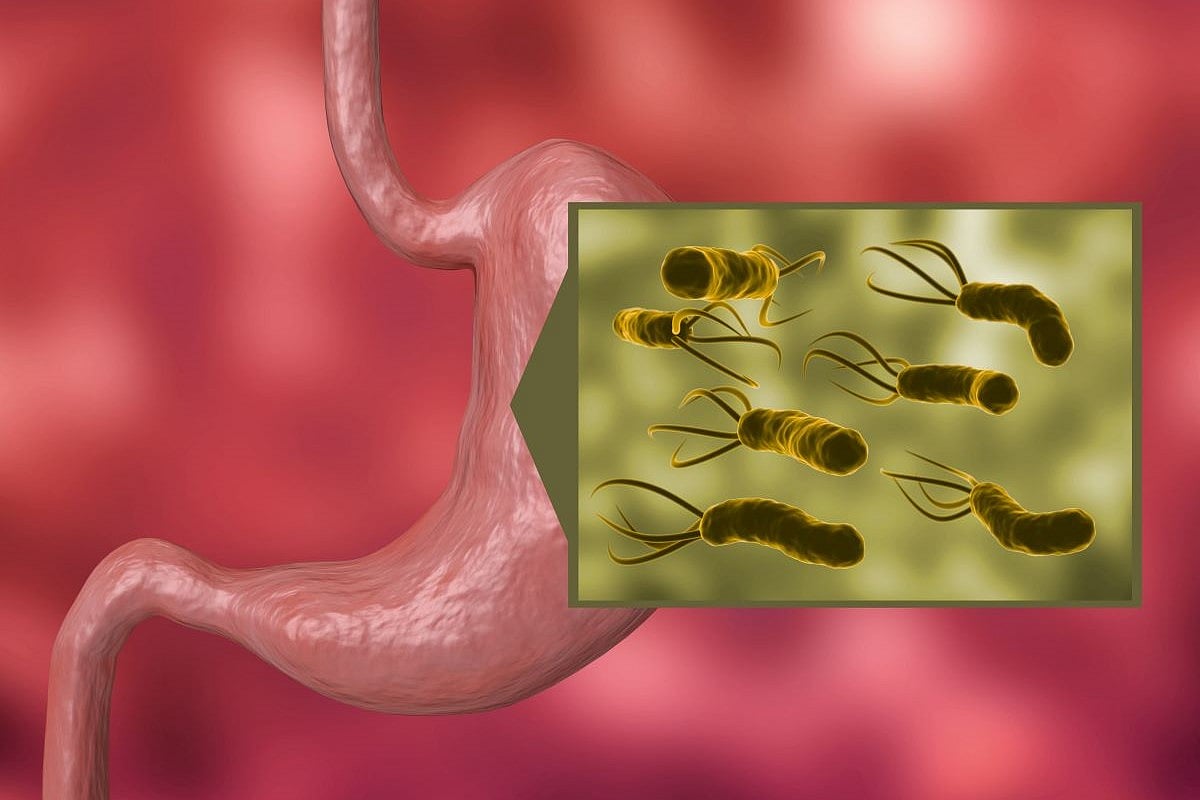 H. Pylori Exposure May Contribute to Global Burden of Colorectal Cancer
  Distinct Skin Microbiome Features Emerge Before Atopic Disease Onset in Infants
  About 1 in 20 Hospitalized U.S. Adults With Firearm Injuries Develop Bacterial Infections
  Freshwater Swimming Tied to Stomach Bugs, Skin Conditions
 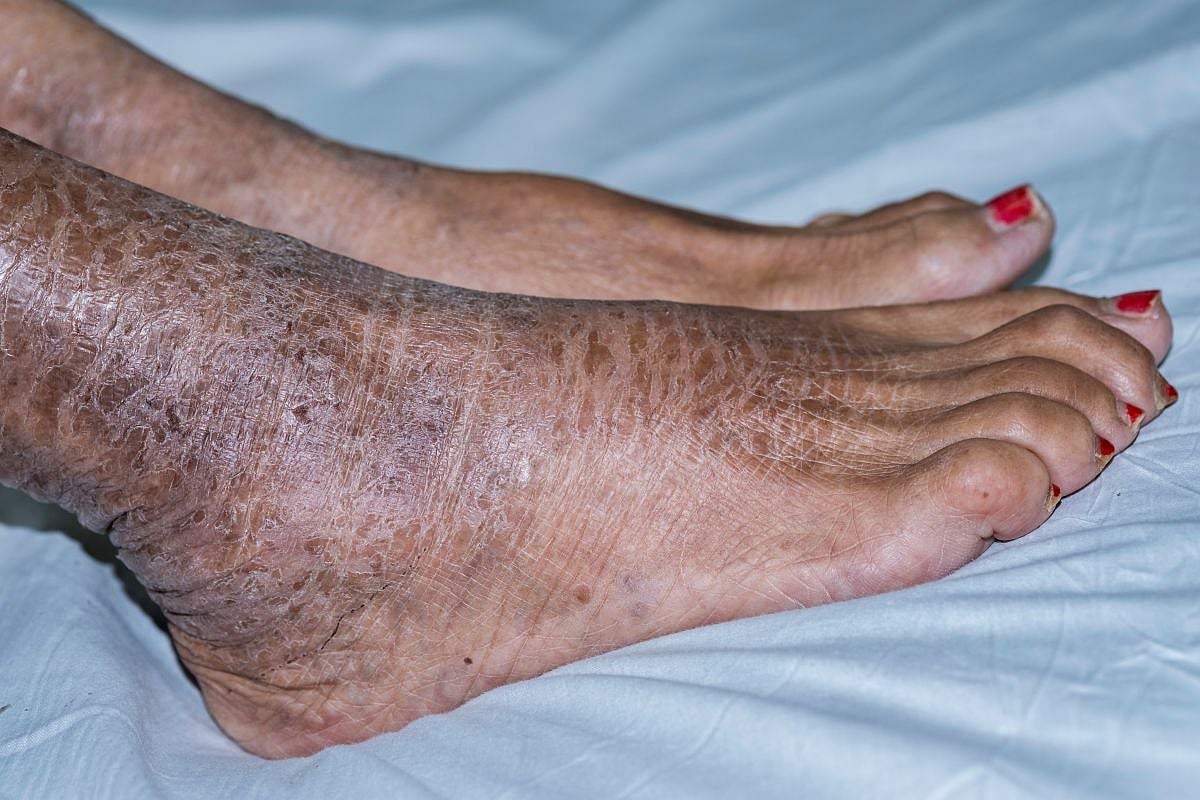 Congenital Ichthyosis Linked to Allergic Disorders
  Considerable Global Disparities Found in Access to Dermatological Care
  Extreme Heat Linked to 33 Clinically Reportable Diagnoses
  Early-Life PFAS Exposure Tied to Intestinal Inflammation in Childhood
 .jpg)