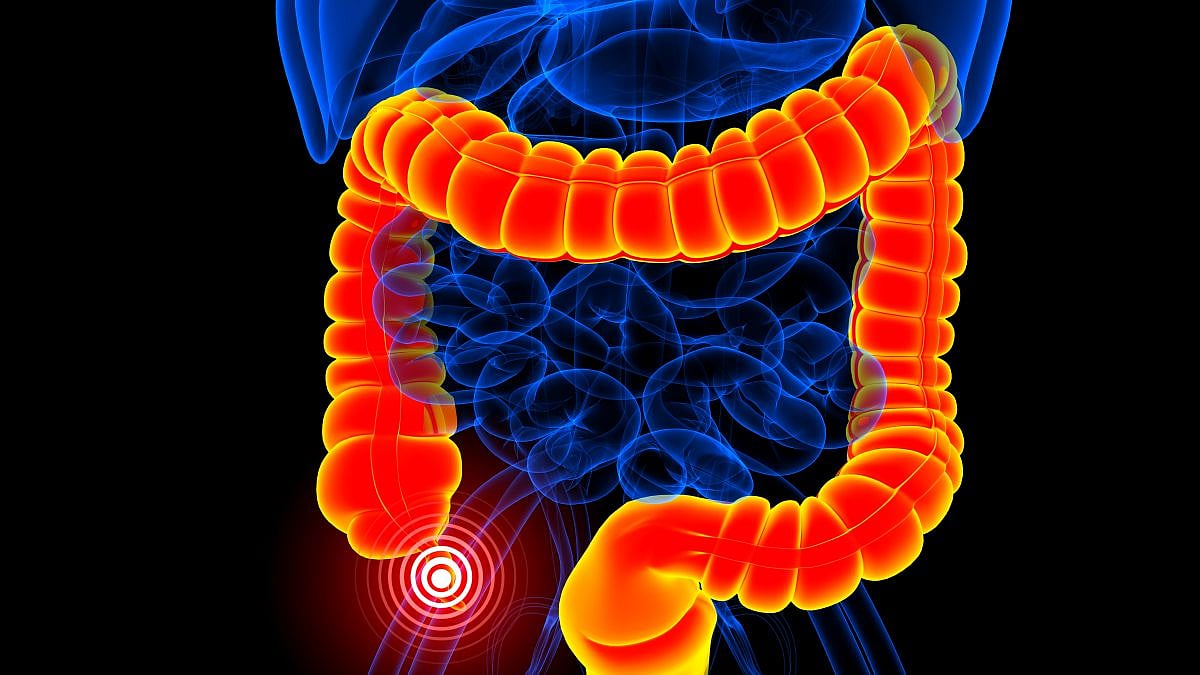
Higher continuous HEI-2015 value independently linked to lower incidence of OAB, with nonlinear dose-response relationship
TUESDAY, Oct. 29, 2024 (HealthDay News) — There is a positive association between a higher Healthy Eating Index (HEI)-2015 score and overactive bladder (OAB), according to a study published online Sept. 16 in Frontiers in Nutrition.
Xuanyu Hao, from the Shengjing Hospital of China Medical University in Shenyang, and colleagues examined the association between HEI-2015 and OAB using data from the National Health and Nutrition Examination Survey 2005 to 2020 datasets. The dose-response association was investigated using the restricted cubic spline model.
Data were included for 29,206 participants, including 6,184 OAB patients. The researchers observed an independent association for a higher continuous HEI-2015 value with a lower incidence of OAB (odds ratio, 0.87). Similarly, a significant association was seen for the highest versus the lowest quartile categorical HEI-2015 with lower odds of OAB (odds ratio, 0.72). A favorable nonlinear dose-response relationship was seen between HEI-2015 and OAB in the restricted cubic spline curve.
“We recommend adherence to United States dietary recommendations as a potential behavioral approach for OAB prevention,” the authors write. “However, further large-scale long-term prospective cohort studies across various regions are necessary to validate the outcomes of this investigation.”
 Midlife Onset of Increasing Pulse Pressure Not Linked to Menopause
  Cancer Drug Shortages Persist at All Cancer Centers
  Anifrolumab Tied to Lower Hospitalization, Infection Risk in Lupus
  People With Autism Have Shorter Life Expectancy
  Autism Spectrum Disorder Diagnoses Increased for Females Since 2020
  Onset of Mortality, Morbidity Delayed for Offspring of Centenarians
  Acute Myeloid Leukemia Increasingly Impacting Older Adults Globally
  December 2024 to 2025 Saw Significant Increase in Leucovorin Dispensing

.jpg)