


Hazard ratio up for incident venous thromboembolism in association with higher levels of fine particulate matter, oxides of nitrogen, nitrogen dioxide
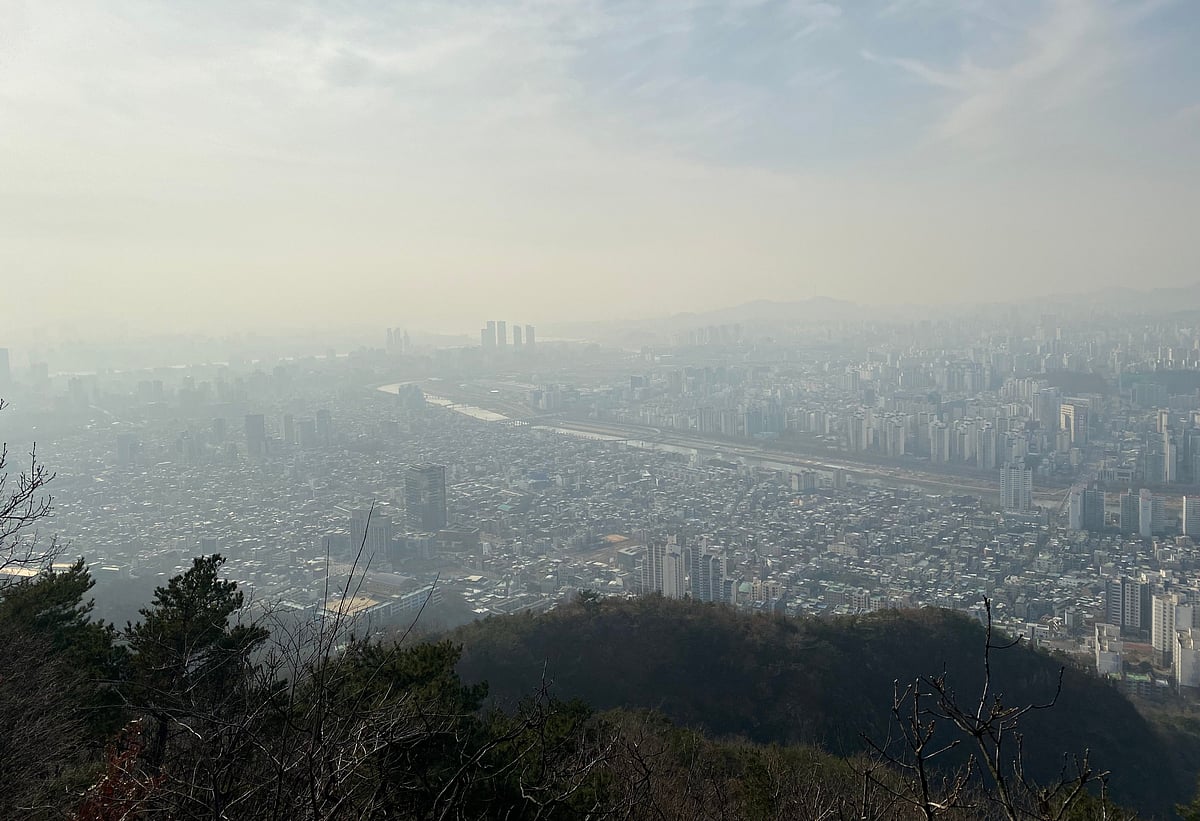
FRIDAY, Dec. 13, 2024 (HealthDay News) — Higher ambient levels of air pollutants are associated with increased risk of venous thromboembolism (VTE), according to a study published online Dec. 12 in Blood.
Pamela Lutsey, Ph.D., M.P.H., from the University of Minnesota in Minneapolis, and colleagues examined whether air pollution is associated with increased VTE risk in 6,651 participants from the prospective Multi-Ethnic Study of Atherosclerosis, recruited in 2000 to 2002. Participant-level chronic exposure to fine particulate matter ≤2.5 micrometers in aerodynamic diameter (PM2.5), oxides of nitrogen (NOx), nitrogen dioxide (NO2), and ozone (O3) was estimated by averaging these indices updated every two weeks over follow-up.
Over a median follow-up of 16.7 years, 248 VTE events were accrued. The researchers found that the hazard ratio for incident VTE associated with 3.6 µg/m3 higher PM2.5 was 1.39, 13.3 ppb higher NO2 was 2.74, and 30 ppb higher NOx was 2.21, after adjustment for baseline demographics, health behaviors, and body mass index; no association was seen for O3.
“Chronic exposure to air pollution, as defined by higher concentrations of PM2.5, NO2, and NOx for up to 18.5 years, was associated with increased risk of developing VTE,” the authors write. “This study is the most deeply characterized analysis of pollution and VTE to date that we are aware of, and adds to mounting evidence that air pollution adversely impacts health.”
Abstract/Full Text (subscription or payment may be required)
 Air Pollution Exposure Tied to Atopic Dermatitis in Children
 Air Pollution Does Not Impair Benefits of Walking in Reducing COPD Exacerbation Rate
 Air Pollution Tied to Higher Risk for Suicide
 Higher Short-Term Exposure to Pollen Linked to Lower FEV1 in COPD
 Use of SAMA, SABA Linked to Cardiovascular Events, Mortality in Asthma, COPD
 Aerobic Training, Behavioral Interventions Both Clinically Improve Asthma Control
 Fractional Exhaled Nitric Oxide Elevated in Pediatric Chest Tightness Variant Asthma
.jpeg)




