


 Results do not support use of IV antibiotics to eradicate P. aeruginosa in cystic fibrosis, authors say
THURSDAY, Oct. 8, 2020 (HealthDay News) — Intravenous antibiotics do not achieve greater sustained eradication of Pseudomonas aeruginosa in patients with cystic fibrosis compared with oral therapy, according to a study published in the October issue of The Lancet Respiratory Medicine.
Simon C. Langton Hewer, M.D., from the University of Bristol in the United Kingdom, and colleagues compared the effectiveness and safety of 14 days of intravenous ceftazidime and tobramycin (137 patients) versus 12 weeks of oral ciprofloxacin (149 patients) among randomly assigned patients seen at cystic fibrosis centers and with an isolate of P. aeruginosa. Both treatments were combined with 12 weeks of inhaled colistimethate sodium.
The researchers found that 44 percent of 125 participants in the intravenous group and 52 percent of 130 participants in the oral group achieved the primary outcome. Participants assigned to the intravenous group were less likely to achieve eradication of P. aeruginosa at three months and remain free of infection to 15 months, although the difference between the groups was not significant (relative risk, 0.84; 95 percent confidence interval, 0.65 to 1.09; P = 0.18). There were 11 serious adverse events reported, which occurred in 8 percent of patients in each group.
“Admission for intravenous therapy in the context of early P. aeruginosa infection (and without the presence of a significant pulmonary exacerbation), in adults and children with cystic fibrosis, should not be recommended,” the authors write.
Two authors disclosed financial ties to the pharmaceutical industry.
 Doxycycline Use in Early Pregnancy Linked to Increased Risk for Pregnancy Loss
 More Than 1 in 4 Americans Misrepresent Symptoms to Get Antibiotics
 Distinct Skin Microbiome Features Emerge Before Atopic Disease Onset in Infants
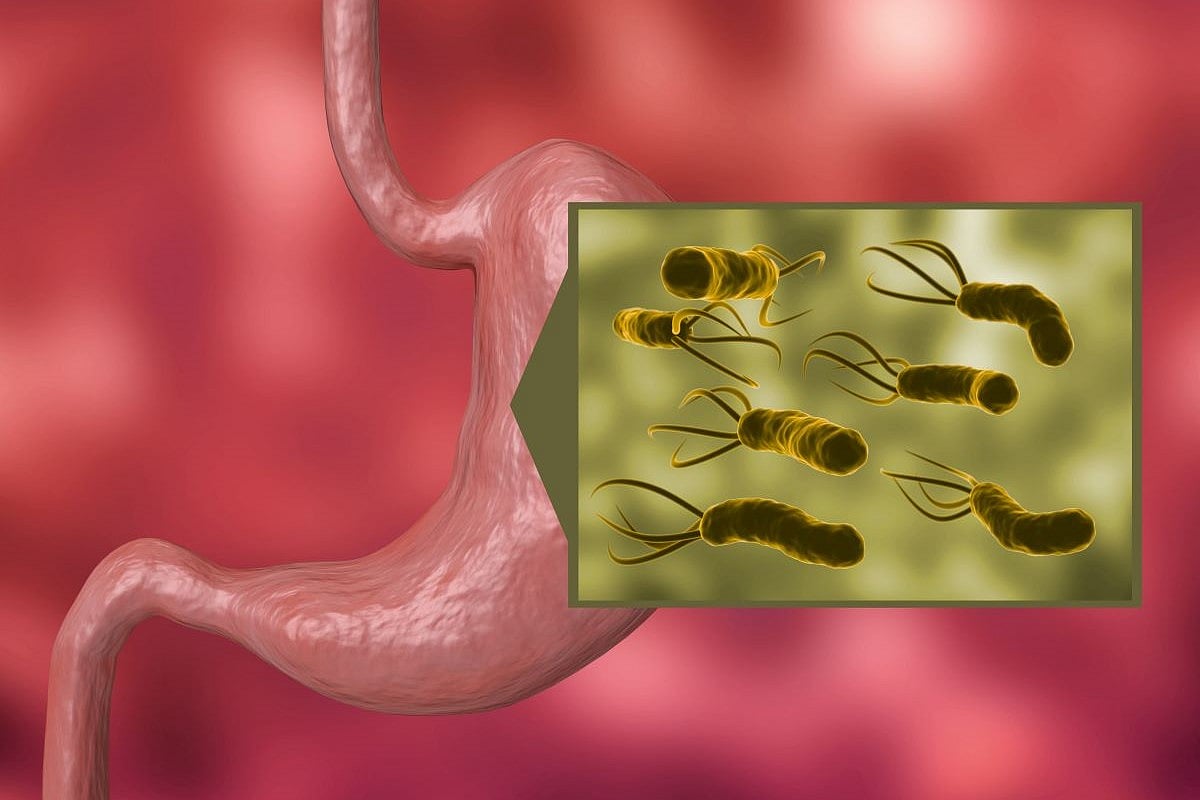 H. Pylori Exposure May Contribute to Global Burden of Colorectal Cancer
 Surveillance Colonoscopy at Five Years After Adenoma Removal Noninferior to Three Years
 Family History of CRC Increases CRC Risk Similarly in IBD, General Population
 Freshwater Swimming Tied to Stomach Bugs, Skin Conditions
 Couples" Coping Skills Help Reduce Depression in GI Cancer Survivors



.jpeg)

