


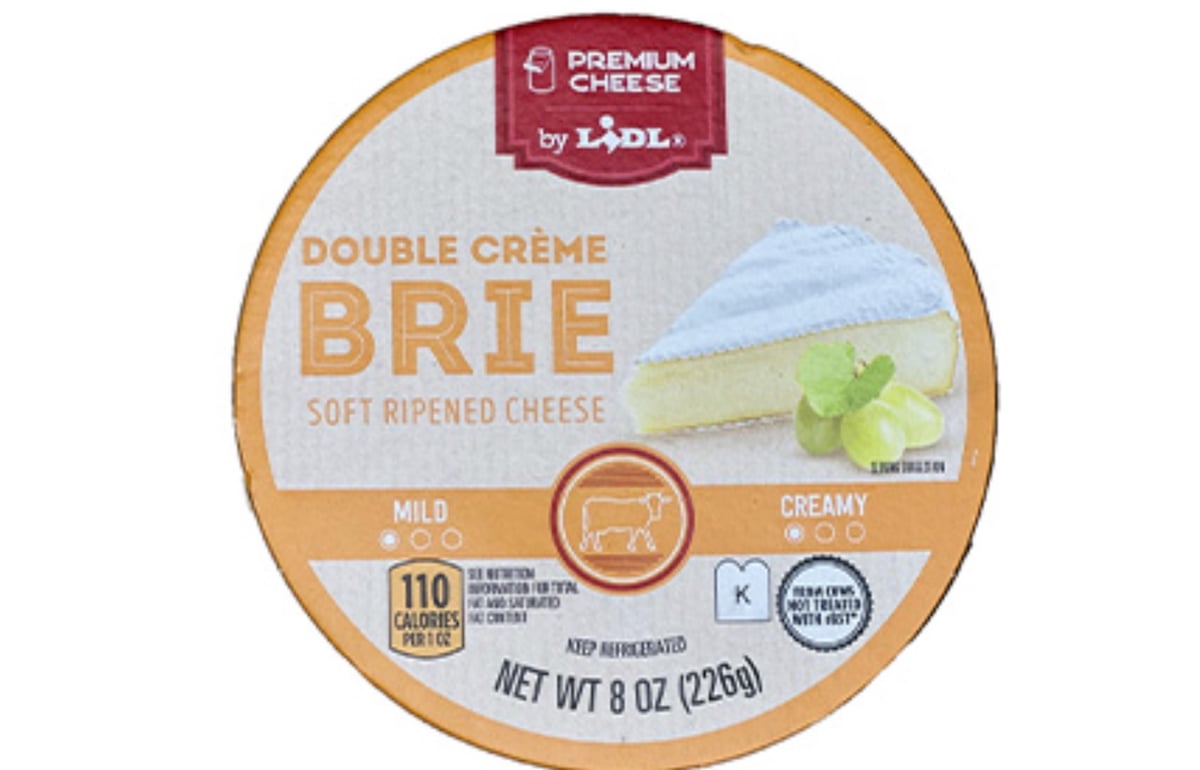
Five people were hospitalized in the outbreak, four of whom reported eating brie or camembert cheese
MONDAY, Oct. 3, 2022 (HealthDay News) — U.S. health officials have warned that numerous brands of brie and camembert cheese may contain Listeria.
Old Europe Cheese Inc. has recalled more than 20 brands of cheese from retail and wholesale stores nationwide and in Mexico after six people in six states were infected with a specific strain of Listeria. Stores that sold the potentially contaminated cheese include Albertsons, Giant Foods, Lidl, Stop & Shop, and Whole Foods, the company said.
The cheeses may be linked to the outbreak, according to interviews and laboratory data, the U.S. Food and Drug Administration said Friday. During an inspection of the company’s Michigan facility, U.S. and state health officials found the outbreak strain of Listeria in a sample from the floor in a cooling room, the U.S. Centers for Disease Control and Prevention said.
Five people were hospitalized in the outbreak. In interviews, four people reported eating brie or camembert cheese. Those sickened were in California, Georgia, Massachusetts, Michigan, New Jersey, and Texas.
While many people get mild food poisoning symptoms after Listeria infection, pregnant women, newborns, adults 65 years and older, and people with weakened immune systems are at higher risk for severe illness. Symptoms typically start within two weeks of eating the contaminated food but can happen as early as the same day or even 10 weeks later.
When Listeria infection spreads beyond the gut, it can be severe and lead to hospitalization and death. Listeria can also cause pregnancy loss. Typical symptoms can be headache, stiff neck, confusion, loss of balance, convulsions, fever, and muscle aches.
 Recommendations Issued for Use of Incretin-Based Meds in Pregnancy
  Eating More Ultraprocessed Foods Heightens Risk for Chronic Diseases
  Nutritional Deficiencies Seen in Youth Taking GLP-1 Receptor Agonists
  2009 to 2023 Saw Surge in Probiotic Supplement Use
  1 in 3 With Lupus Take Supplements, Medications With Potential for Interactions
  High-Dose Omega-3 Linked to A-Fib Risk in Patients With High CVD Risk
  Docosahexaenoic Acid Supplement Does Not Improve Cognitive Performance
  Sugar-Sweetened Beverage, Fruit Juice Intake Linked to Hypertension Risk



.jpg)
