


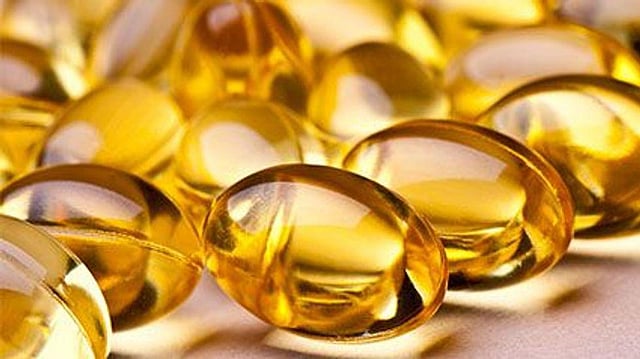
Risk for COVID-19 infection greater among U.S. Black women with serum levels of vitamin D lower than 20 ng/mL
WEDNESDAY, Aug. 11, 2021 (HealthDay News) — U.S. Black women with lower serum levels of vitamin D (25[OH]D) may be at increased risk for COVID-19 infection, according to a study published online July 27 in PLOS ONE.
Yvette C. Cozier, D.Sc., M.P.H., from the Slone Epidemiology Center at Boston University, and colleagues analyzed serum 25(OH)D levels in relation to COVID-19 infection among participants in the Black Women’s Health Study. The analysis included 1,974 women with 25(OH)D blood test results and a COVID-19 test in 2020.
After adjusting for age, number of people living in the household, neighborhood socioeconomic status, and other potential confounders, the researchers found that compared with women with 25(OH)D levels ≥30 ng/mL, the odds ratios for COVID-19 infection in women with levels of 20 to 29 ng/mL and <20 ng/mL were 1.48 (95 percent confidence interval, 0.95 to 2.30) and 1.69 (95 percent confidence interval, 1.04 to 2.72), respectively (P trend = 0.02).
“Nearly one out of four people have vitamin D blood levels that are too low or inadequate for bone and overall health,” Cozier said in a statement. “Our study provides another reason why adequate levels of vitamin D are important — the possibility of lowering risk of COVID-19 infection.”
 Pre-Prostate Biopsy MRI Use Increased From 2017 to 2026
  Serum 25(OH)D May Serve as Biomarker of Disease Activity in IBD
  Nutritional Deficiencies Seen in Youth Taking GLP-1 Receptor Agonists
  Maternal Vitamin D Status Linked to Preterm Delivery
  Low Levels of Placental Growth Factor in Pregnancy Linked to Subsequent ADHD in Offspring
  Recommendations Issued for Use of Incretin-Based Meds in Pregnancy
  IBD Not Linked to Risk for Hypertensive Disorders of Pregnancy Overall
  Mom"s Poor Sleep in Late Pregnancy Linked to Offspring"s Obesity Risk in Early Childhood



.jpg)