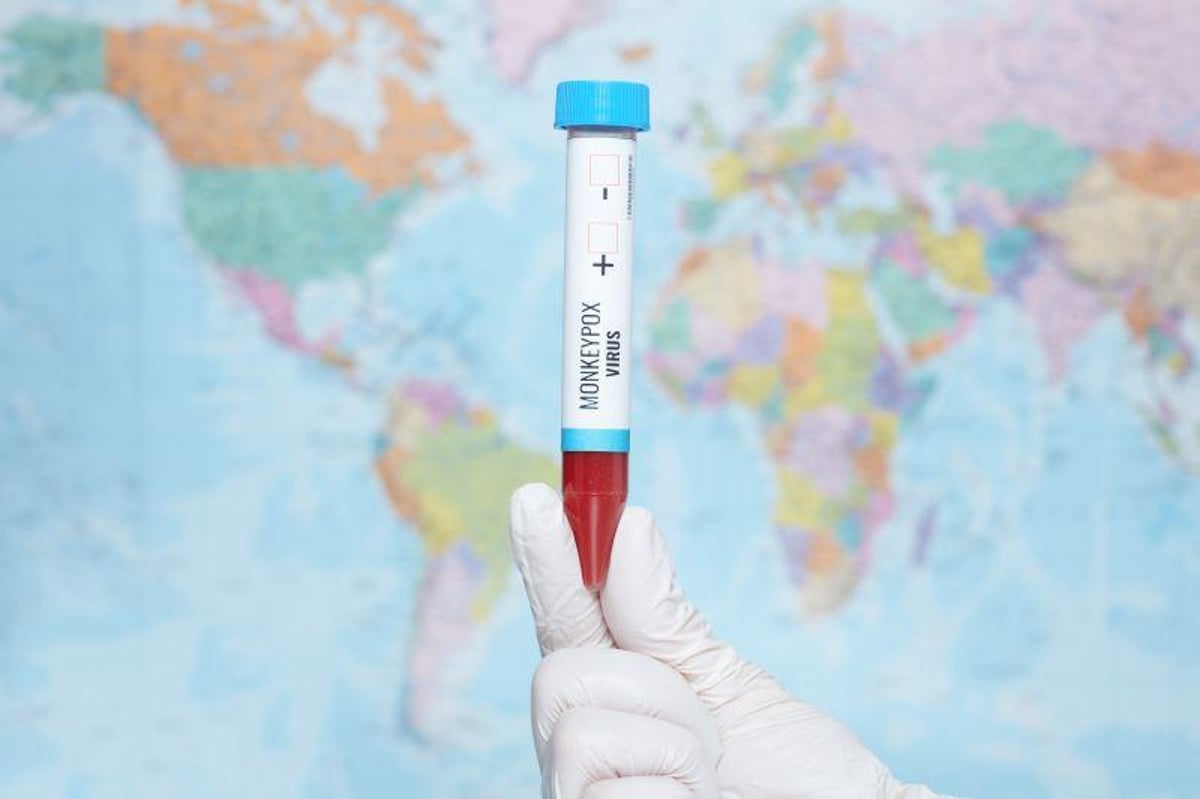
TPOXX is currently only approved to treat smallpox but has been used to treat infections during global monkeypox outbreak
MONDAY, Oct. 17, 2022 (HealthDay News) — The ability of TPOXX to treat people infected with monkeypox is being directly tested in a new clinical trial in Central Africa, U.S. health officials have announced.
TPOXX — the antiviral drug tecovirimat — is only approved to treat smallpox, but doctors have been using it to treat infections during the global monkeypox outbreak. The new clinical trial, based in the Democratic Republic of the Congo (DRC), will provide the first evidence of whether TPOXX is an effective therapy for monkeypox.
“Monkeypox has caused a high burden of disease and death in children and adults in the Democratic Republic of the Congo, and improved treatment options are urgently needed,” said Anthony Fauci, M.D., director of the U.S. National Institute of Allergy and Infectious Diseases (NIAID). “This clinical trial will yield critical information about the safety and efficacy of tecovirimat for monkeypox.”
The viruses that cause monkeypox and smallpox are similar, and TPOXX targets a protein found on both to impede their spread by preventing virus particles from exiting human cells, according to a news release from the U.S. National Institutes of Health.
The clinical trial will enroll up to 450 Congolese adults and children with lab-confirmed monkeypox infection. Participants will be randomly assigned to receive TPOXX capsules or a placebo twice daily for 14 days. The study will compare the average time it takes for people’s skin lesions to heal. Researchers also will track how quickly monkeypox virus clears a person’s blood, as well as the overall severity and duration of each patient’s infection.
The World Health Organization (WHO) reports 68,900 confirmed cases of monkeypox and 25 deaths in 106 countries, areas, and territories from January through early October, during the current outbreak. NIAID and the DRC National Institute for Biomedical Research are co-leading the trial. Other collaborating institutions include the U.S. Centers for Disease Control and Prevention, the Alliance for International Medical Action, and the WHO.
 Drug Interactions Reducing Contraceptive Effectiveness Common in Epilepsy
 .jpg) Most Specialty Oral Anticancer Meds for Blood Cancers Are Initially Rejected by Insurers
Most Specialty Oral Anticancer Meds for Blood Cancers Are Initially Rejected by Insurers  1 in 3 With Lupus Take Supplements, Medications With Potential for Interactions
  Holding DMARDs at Time of COVID-19 Vaccine Not Warranted in Those With Inflammatory Arthritis
  Age-, Joint-Specific Ultrasound Reference Values Set for Healthy Joints
  2013 to 2024 Saw Decrease in Benzodiazepine Prescribing
  GLP-1 Receptor Agonists, SGLT-2is Slow Renal Function Decline in T2D With Albuminuria
  Polypharmacy of Prescription Medications Increased for U.S. Older Adults