



Small increase in risk for depression or clinically relevant depressive symptoms but no difference in mood scores seen with long-term use
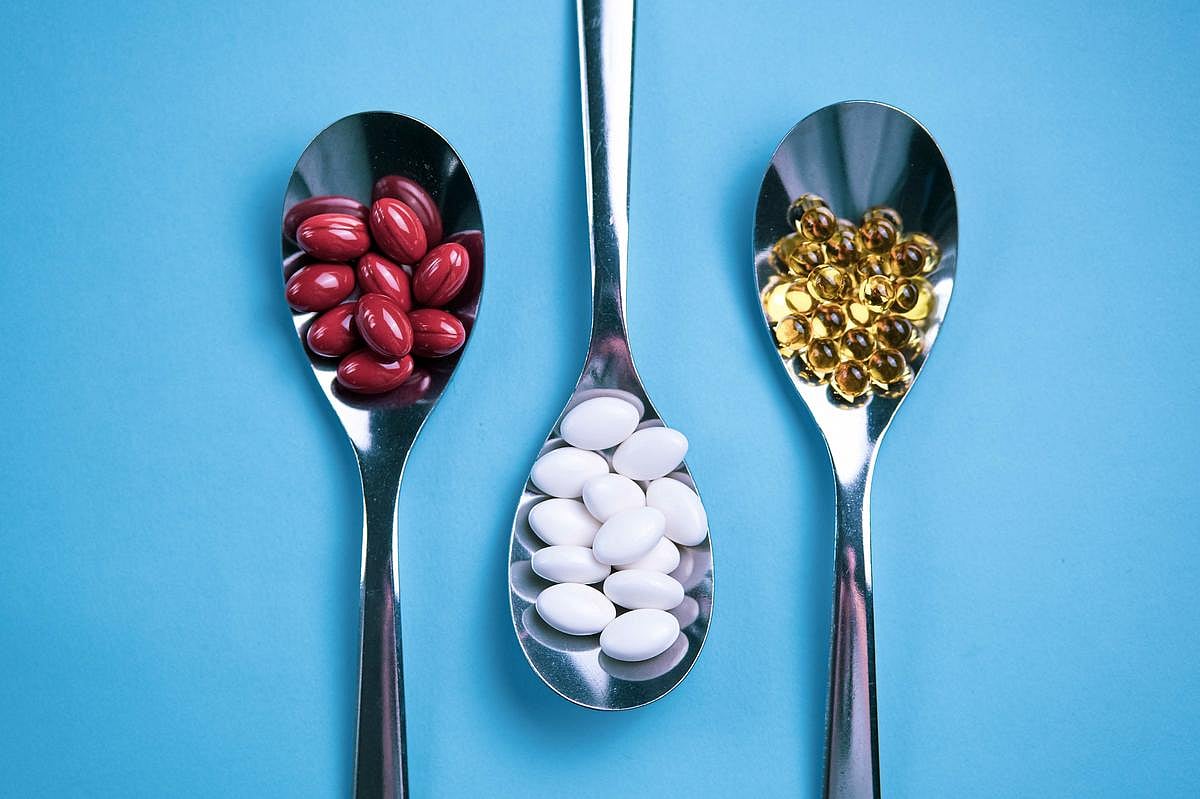
THURSDAY, Dec. 23, 2021 (HealthDay News) — For adults ages 50 years or older without clinically relevant depressive symptoms at baseline, treatment with marine omega-3 fatty acid supplements is associated with a small but statistically significant increase in the risk for depression or clinically relevant depressive symptoms, according to a study published in the Dec. 21 issue of the Journal of the American Medical Association.
Olivia I. Okereke, M.D., from Massachusetts General Hospital in Boston, and colleagues examined the effect of omega-3 supplementation on late-life depression risk and mood scores among 18,353 adults. Overall, 16,657 were at risk for incident depression and 1,696 were at risk for recurrent depression. Participants were randomly assigned to vitamin D3, marine omega-3 fatty acids, or matching placebos in a 2×2 factorial assignment; 9,171 received omega-3 fatty acids and 9,182 received placebo. The median treatment duration was 5.3 years.
The researchers found that the test was not significant for interaction between the omega-3 and vitamin D agents (P for interaction = 0.14). The risk for depression was significantly higher with omega-3 compared with placebo (13.9 versus 12.3 events per 1,000 person-years; hazard ratio, 1.13; 95 percent confidence interval, 1.01 to 1.26; P = 0.03). Comparing the omega-3 and placebo groups, there were no significant differences observed in longitudinal mood scores (mean difference in change in the eight-item Patient Health Questionnaire depression scale, 0.03 points; 95 percent confidence interval, −0.01 to 0.07; P = 0.19).
“These findings do not support the use of omega-3 supplements in adults to prevent depression,” the authors write.
Several authors disclosed financial ties to the biopharmaceutical and publishing industries; the study agents, matching placebo, and packaging were donated by Pharmavite and Pronova bioPharma.
Abstract/Full Text (subscription or payment may be required)
 Insomnia Linked to Increased Risk for Stroke, Odds of Admission
  Reducing Ultraprocessed Food May Alleviate Symptoms of Depression
  2009 to 2023 Saw Surge in Probiotic Supplement Use
  Youth Suicide Risk Linked to Community Firearm Violence
  Nutritional Deficiencies Seen in Youth Taking GLP-1 Receptor Agonists
  Age-Adjusted Suicide Rate Increased From 2014 to 2017 and Then Plateaued
  Air Pollution Tied to Higher Risk for Suicide
  2021 to 2026 Saw Increase in State Funding for Suicide Prevention


.jpeg)