


Risk lower for men with newly diagnosed prostate cancer on active surveillance protocol
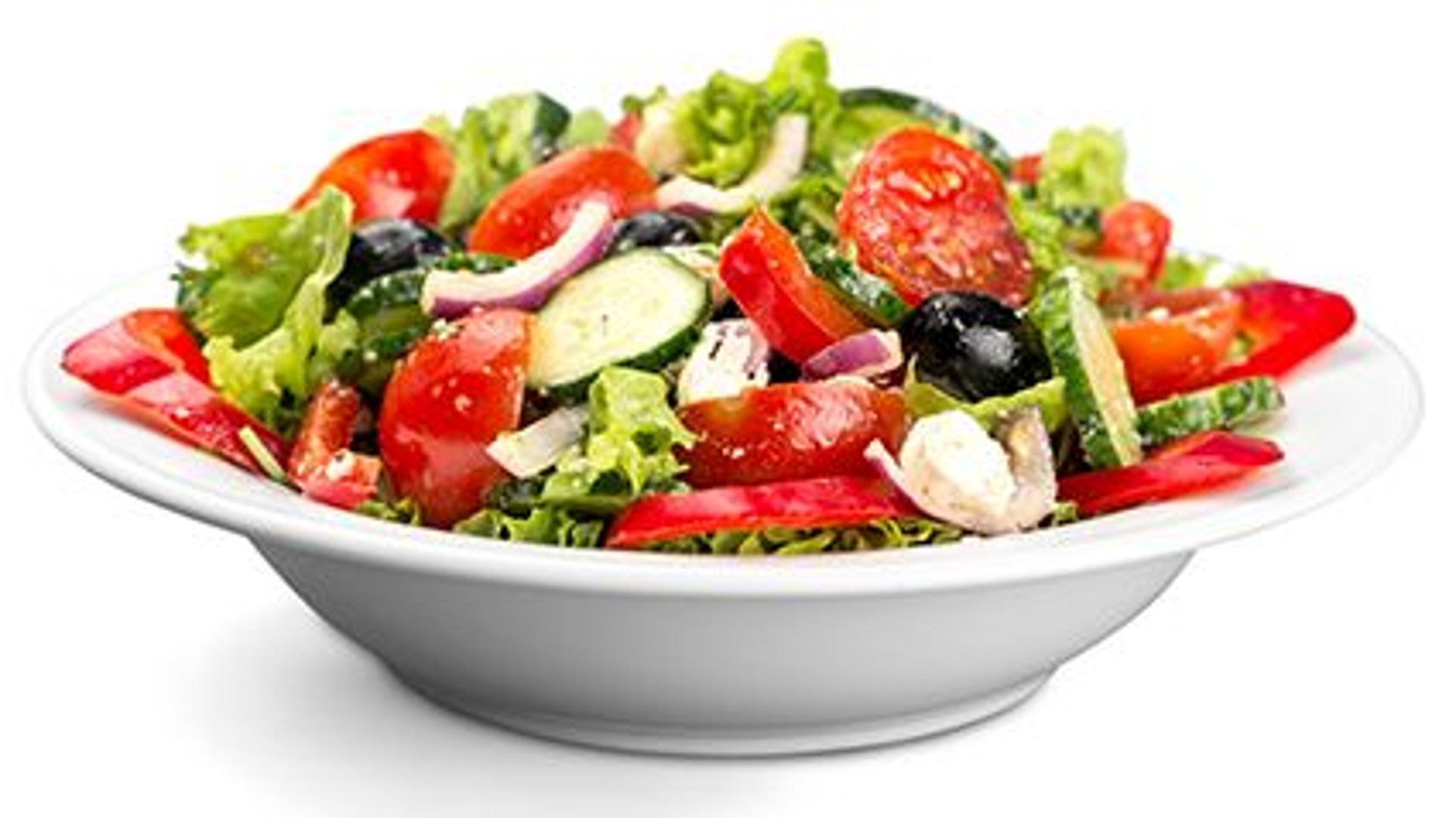
THURSDAY, Jan. 21, 2021 (HealthDay News) — For men with newly diagnosed prostate cancer on active surveillance, adherence to the Mediterranean diet (MedD) is associated with a lower risk for Gleason grade group progression, according to a study published online Jan. 7 in Cancer.
Justin R. Gregg, M.D., from the University of Texas MD Anderson Cancer Center in Houston, and colleagues examined adherence to the MedD and Gleason score progression in a cohort of 410 men with newly diagnosed prostate cancer on an active surveillance protocol. Participants completed a baseline food frequency questionnaire, and the MedD score was calculated across nine energy-adjusted food groups.
The researchers found that 76 men progressed during a median follow-up of 36 months. Higher adherence to the MedD correlated with a lower risk for Gleason grade group progression after adjustment for clinical factors among all men (hazard ratio [HR] per one-unit increase in MedD score, 0.88; 95 percent confidence interval [CI], 0.77 to 1.01), non-White men (HR, 0.64; 95 percent CI, 0.45 to 0.92; P for interaction = 0.07), and men without diabetes (HR, 0.82; 95 percent CI, 0.71 to 0.96; P for interaction = 0.03). The risk reduction was similar among men with high MedD scores who did not use statins compared with men with low/moderate MedD scores with no statin use.
“Our findings suggest that consistently following a diet rich in plant foods, fish, and a healthy balance of monounsaturated fats may be beneficial for men diagnosed with early-stage prostate cancer,” Gregg said in a statement.
One author disclosed financial ties to the biopharmaceutical and medical device industries.
Abstract/Full Text (subscription or payment may be required)
 Urine Cell-Free RNA Shows Promise as Biomarker for Bladder Cancer
  Pre-Prostate Biopsy MRI Use Increased From 2017 to 2026
 .jpeg) Higher Intake of Saturated, Animal Fats May Increase Mortality in Prostate Cancer
Higher Intake of Saturated, Animal Fats May Increase Mortality in Prostate Cancer  Adverse Pathological Features Do Not Predict Benefit of Hormone Therapy in Prostate Cancer
  Exercise Intervention Linked to Improved Attention, Memory in Breast Cancer
 .jpg) Cancer Survivors Have Lower Levels of Physical Activity
Cancer Survivors Have Lower Levels of Physical Activity  Childhood Cancer Survivors Often Have Mental Distress in Adulthood
  Blinatumomab Improves Event-Free Survival in Children With High-Risk B-Cell ALL




.jpg)