
Findings seen for women previously treated with menopause-inducing cancer treatments
THURSDAY, Dec. 10, 2020 (HealthDay News) — Menopause symptoms are less severe after cancer treatment in women who engage in medium to high levels of physical activity (PA), according to a study published online Nov. 23 in Menopause.
Tom G. Bailey, Ph.D., from the University of Queensland in Brisbane, Australia, and colleagues randomly assigned women previously treated with menopause-inducing cancer treatments to either a digitally delivered whole-of-lifestyle program targeting PA (142 women) or usual care (138 women).
The researchers found that total Green Climacteric Scale (GCS) scores were 1.83 and 2.72 points lower in women with medium and high levels of PA, respectively, versus women with low levels of PA. Similarly, total average GCS scores were 1.02 and 1.61 points lower in those undertaking moderate- and vigorous-intensity PA, respectively. There was no difference between the two groups for time spent walking and for performing moderate and vigorous PA. At 24 weeks, the average GCS decrease was not different between groups.
“Supervised and tailored exercise training that targets cardiovascular fitness could be of most benefit in women for alleviation of menopausal symptoms,” the authors write.
Abstract/Full Text (subscription or payment may be required)
 Physical Activity Linked to Slower Cognitive, Motor Progression in Parkinson Disease
  Air Pollution Does Not Impair Benefits of Walking in Reducing COPD Exacerbation Rate
 .jpg) Most Specialty Oral Anticancer Meds for Blood Cancers Are Initially Rejected by Insurers
Most Specialty Oral Anticancer Meds for Blood Cancers Are Initially Rejected by Insurers 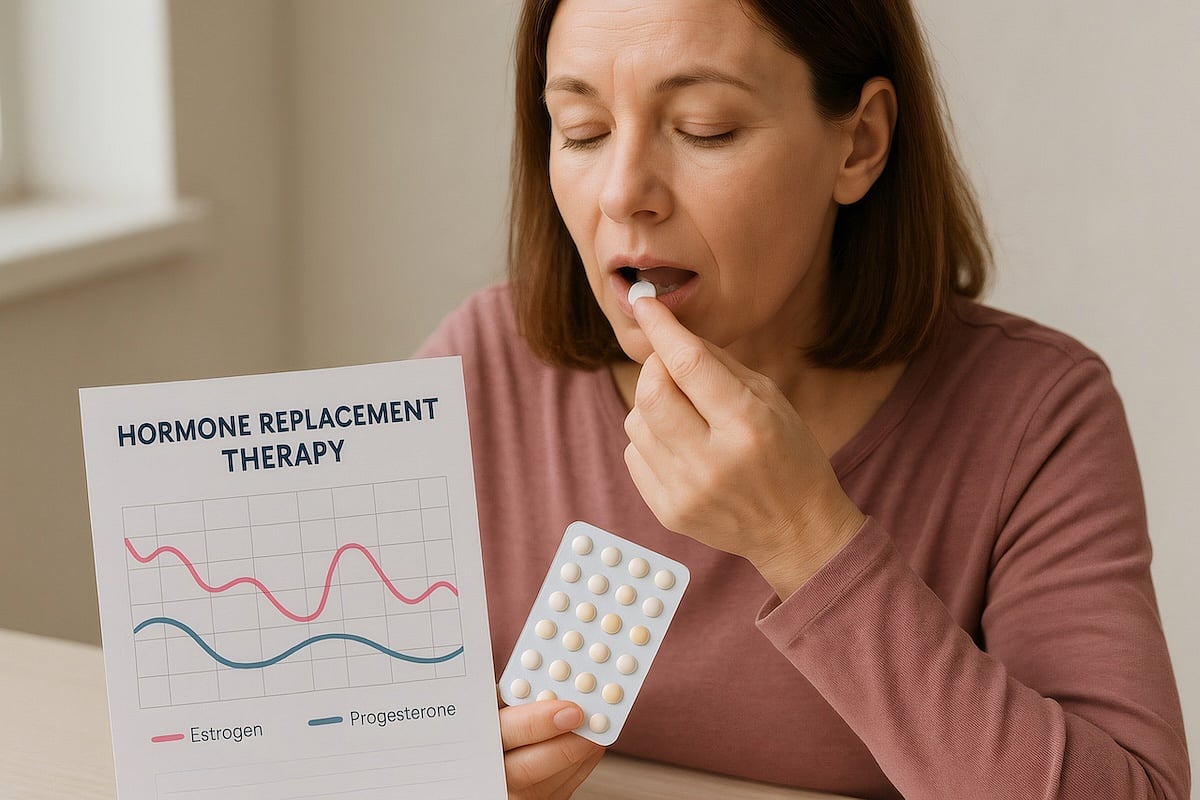 Oral Menopausal Hormone Therapy Linked to Venous Thromboembolic Risk
  MHT Initiation May Reduce Cardiovascular Risk in Women With Vasomotor Symptoms
  Longer Reproductive Lifespan Tied to Lower Bronchiectasis Risk in Postmenopausal Women
  Midlife Onset of Increasing Pulse Pressure Not Linked to Menopause
  Estrogen Hormone Treatment May Be Beneficial for Brain Fog Symptoms in Menopausal Women