



42 percent of those with regular menstrual cycles bled more heavily than usual after COVID-19 vaccination
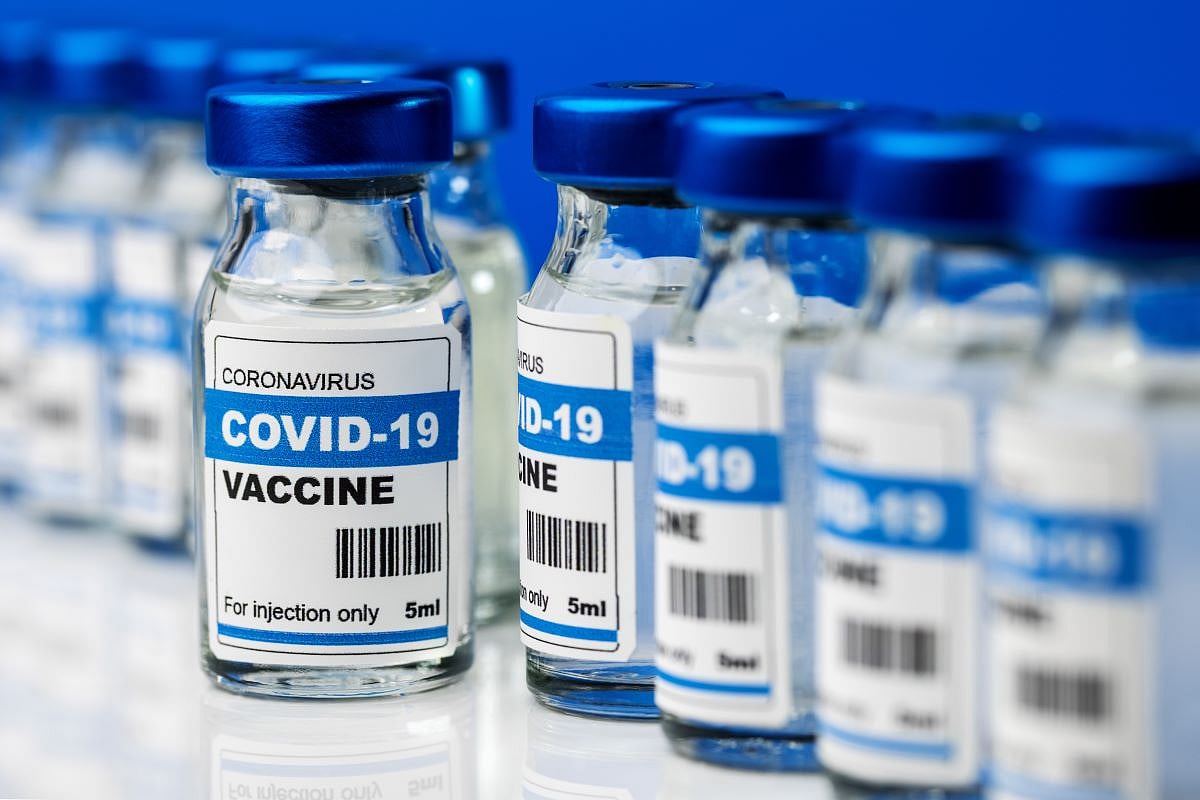
FRIDAY, July 15, 2022 (HealthDay News) — Changes to menstrual bleeding patterns after COVID-19 vaccination among people who menstruate are not uncommon, according to a study published online July 15 in Science Advances.
Noting that people began sharing experiences of unexpected menstrual bleeding after COVID-19 vaccination early in 2021, Katherine M.N. Lee, Ph.D., from the Washington University School of Medicine in St. Louis, and colleagues examined the emerging phenomenon of changed menstrual bleeding patterns among currently and formerly menstruating people using a web-based survey. Data were included from 39,129 respondents, aged 18 to 80 years: 90.9 percent of respondents were woman-only identifying and 9.1 percent were gender-diverse respondents.
The researchers found that after vaccination, 42 percent of people with regular menstrual cycles bled more heavily than usual, while 44 percent reported no change. Of the respondents who do not typically menstruate, 71, 39, and 66 percent of those on long-acting reversible contraceptives, those taking gender-affirming hormones, and postmenopausal people reported breakthrough bleeding, respectively. Significant associations were seen for increased/breakthrough bleeding with age, systemic vaccine side effects (fever and/or fatigue), history of pregnancy or birth, and ethnicity.
“We have documented a phenotype of increased menstrual bleeding after COVID-19 vaccination across a diverse set of currently and formerly menstruating people,” the authors write.
 Nearly 3 in 4 Older Adults Express Interest in Vaccine to Prevent Dementia
  Updated COVID-19 Shot Beneficial for Those With Autoimmune Rheumatic Disease
  AAP Issues Recommendations for Pediatric RSV Vaccination in 2026-2027 Season
  Trends Reported in Vaccination Coverage for Adolescents for 2025
 .jpg) Considerable Gaps Reported in Care for Youth With Opioid Use Disorder
Considerable Gaps Reported in Care for Youth With Opioid Use Disorder  Nutritional Deficiencies Seen in Youth Taking GLP-1 Receptor Agonists
  Youth Suicide Risk Linked to Community Firearm Violence
  Social Media Warnings Could Discourage Use Among Teens, Young Adults


.jpg)

