


Expected gains in life expectancy larger for optimal dietary changes adopted earlier in life
WEDNESDAY, Feb. 16, 2022 (HealthDay News) — Young adults who are willing to ditch the typical Western diet may gain a decade or more in life expectancy (LE), according to a study published online Feb. 8 in PLOS Medicine.
Lars T. Fadnes, Ph.D., from the University of Bergen in Norway, and colleagues used life table methodology to estimate how LE changes with sustained changes in the intake of fruits, vegetables, whole grains, refined grains, nuts, legumes, fish, eggs, milk/dairy, red meat, processed meat, and sugar-sweetened beverages. The analysis included data from the Global Burden of Disease study from 2019.
The researchers found that a sustained change from a typical Western diet to the optimal diet from age 20 years is estimated to increase LE by more than a decade for U.S. women and men. A change to the optimized diet at age 60 years from a typical diet is estimated to increase LE by 8.0 years for women and 8.8 years for men, while 80-year-olds could gain about 3.4 years. Adoption of a feasibility diet (a midpoint between an optimal and a typical Western diet) from a typical diet is estimated to increase LE by 6.2 years for 20-year-old U.S. women and 7.3 years for U.S. men. The largest LE gains would result from eating more legumes, whole grains, and nuts and less red meat and processed meat.
“The online Food4HealthyLife calculator enables the instant estimation of the effect on LE of a range of dietary changes,” the authors write, adding that it “could be a useful tool for clinicians, policy makers, and laypeople to understand the health impact of dietary choices.”
 Recommendations Issued for Use of Incretin-Based Meds in Pregnancy
 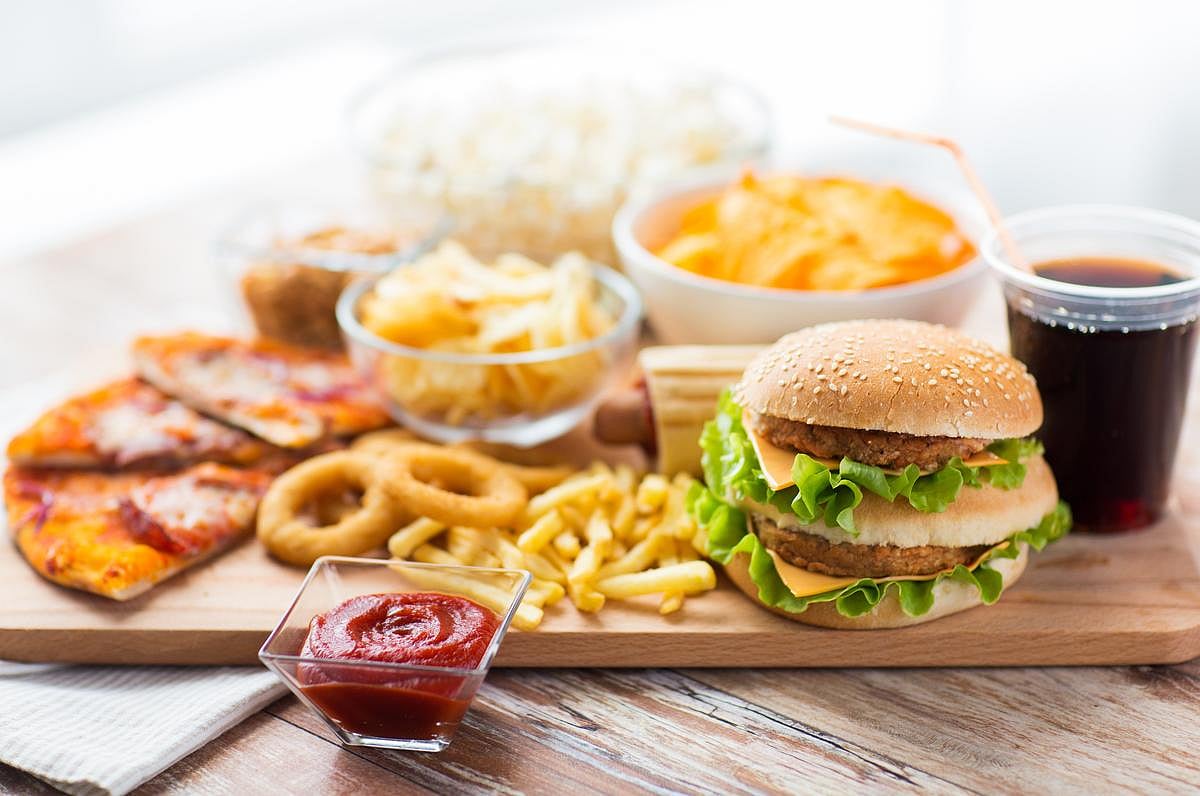 Eating More Ultraprocessed Foods Heightens Risk for Chronic Diseases
 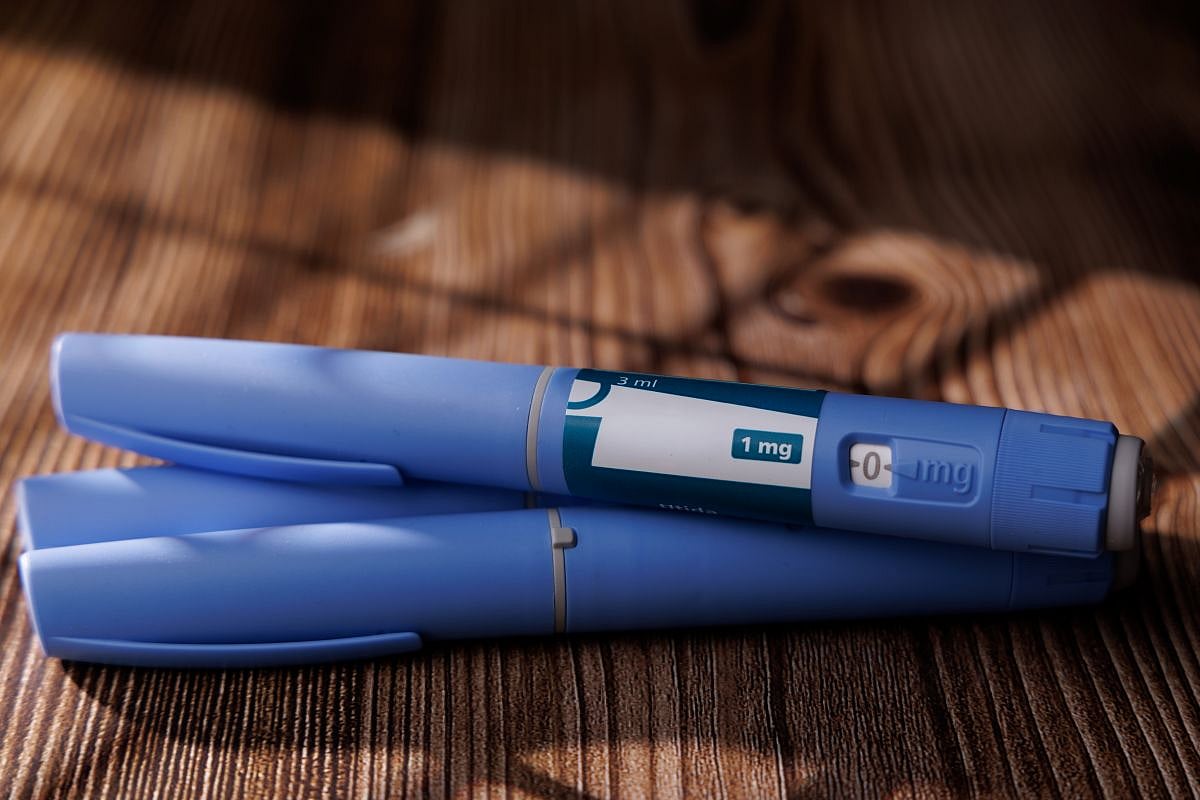 Nutritional Deficiencies Seen in Youth Taking GLP-1 Receptor Agonists
  2009 to 2023 Saw Surge in Probiotic Supplement Use
  1 in 3 With Lupus Take Supplements, Medications With Potential for Interactions
  High-Dose Omega-3 Linked to A-Fib Risk in Patients With High CVD Risk
  Docosahexaenoic Acid Supplement Does Not Improve Cognitive Performance
  Sugar-Sweetened Beverage, Fruit Juice Intake Linked to Hypertension Risk



.jpg)
