


Moderate associations seen with anxiety disorder, schizophrenia, bipolar disorder, and depressive disorder, but not substance use disorder
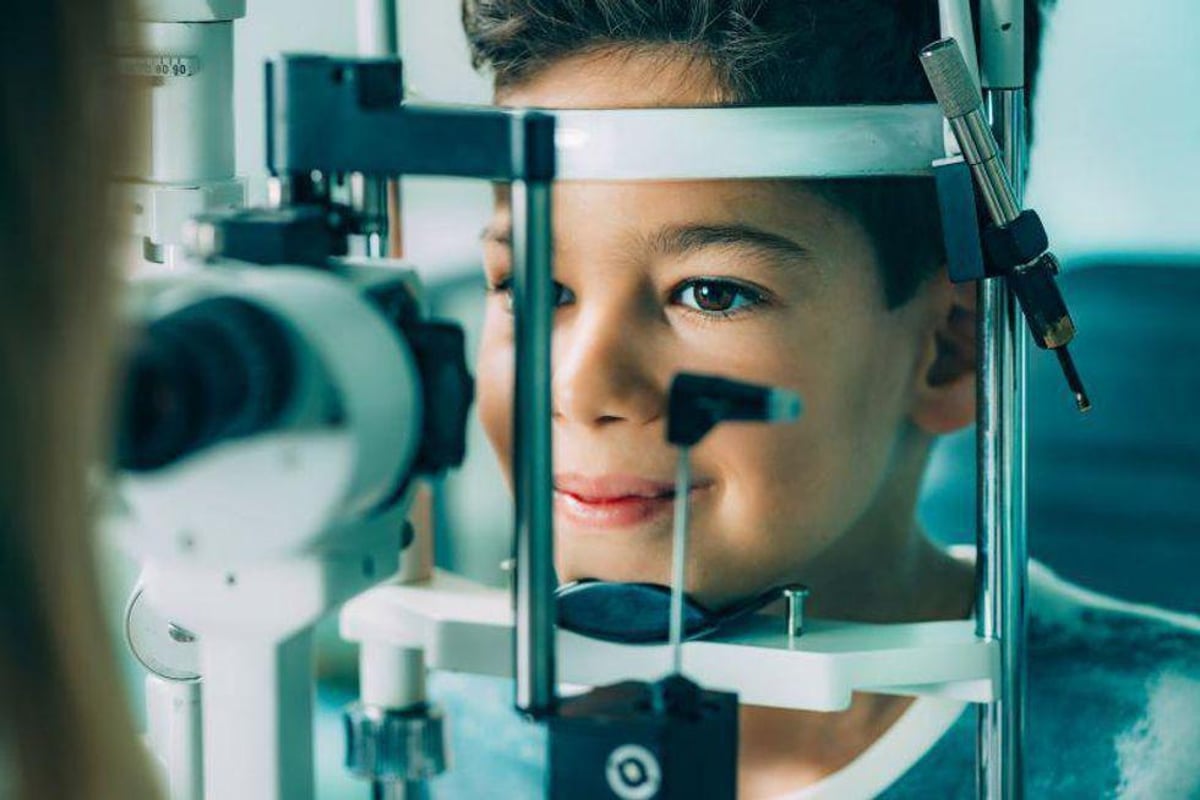
FRIDAY, March 11, 2022 (HealthDay News) — Strabismus is moderately associated with anxiety disorder, schizophrenia, bipolar disorder, and depressive disorder among children, according to a study published online March 10 in JAMA Ophthalmology.
Yoon H. Lee, M.D., from the University of California in Los Angeles, and colleagues conducted a cross-sectional study analyzing claims data for 12,005,189 patients enrolled in a health plan between Jan. 1, 2007, and Dec. 31, 2017. Children aged younger than 19 years at the time of strabismus diagnosis were included; controls were children in the same database with no eye disease codes other than refractive error.
The researchers found that the adjusted odds ratios for the association of mental illnesses with strabismus were 2.01 (95 percent confidence interval [CI], 1.99 to 2.04), 1.83 (95 percent CI, 1.76 to 1.90), 1.64 (95 percent CI, 1.59 to 1.70), 1.61 (95 percent CI, 1.59 to 1.63), and 0.99 (95 percent CI, 0.97 to 1.02) for anxiety disorder, schizophrenia, bipolar disorder, depressive disorder, and substance use disorder, respectively. A moderate association was seen between each strabismus type and anxiety disorder, schizophrenia, bipolar disorder, and depressive disorder; the odds ratios varied from 1.23 (95 percent CI, 1.17 to 1.29) to 2.70 (95 percent CI, 2.66 to 2.74) for the association between esotropia and bipolar disorder and between exotropia and anxiety disorder, respectively.
“These results should alert ophthalmologists and optometrists to counsel children and their caregivers regarding the risk for mental illness,” the authors write. “They should consider incorporating a screening tool for mental health problems for patients with strabismus and referral of pediatric patients with strabismus for mental health evaluation.”
One author disclosed financial ties to Luminopia and Novartis.
Abstract/Full Text (subscription or payment may be required)
.jpg) Recurrent Visual Field Progression Happens for 1 in 4 With Glaucoma
 Psychiatrists Only Agree 55 Percent of the Time on Diagnoses
 Dementia, Stroke Risk Elevated for Those With Severe Mental Illness
 Virtual Reality-Based Digital Defocus Vision Training May Aid Myopia in Children
 Maternal Night-Shift Work Tied to Later Neurodevelopmental Issues in Offspring
 Better Youth Fitness May Lower Risk for Depression in Adulthood
 Autism Spectrum Disorder Diagnoses Increased for Females Since 2020
 Highly Aspherical Lenslets Effective for Reducing Myopia Progression in Children





