


Yet, more than one-third of U.S. obstetric hospitals are low-volume with <500 births/year
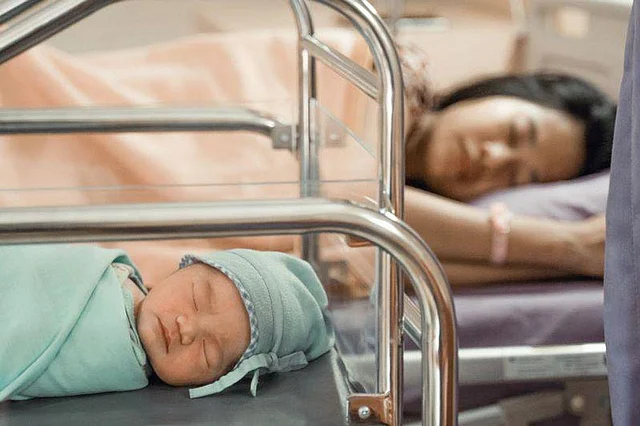
MONDAY, Oct. 25, 2021 (HealthDay News) — The majority of infants are born in high-volume hospitals with more than 2,000 births per year, but more than one-third of obstetric hospitals are low-volume hospitals with less than 500 births per year, according to a study published online Oct. 8 in JAMA Network Open.
Sara C. Handley, M.D., from Children’s Hospital of Philadelphia, and colleagues examined the geographic distribution, proximity, and urban adjacency of U.S. obstetric hospitals by annual birth volume. The analysis included obstetric hospitals with ≥10 births per year identified using the American Hospital Association Annual Survey of Hospitals and Centers for Medicare & Medicaid provider of services data (2010 to 2018).
The researchers identified 3,207 distinct U.S. hospitals with obstetric services, reflecting 34,054,951 associated births. Most infants (56.8 percent) were born in hospitals with >2,000 births/year, while 7.4 percent were born in low-volume hospitals (10 to 500 births/year). More than one-third of obstetric hospitals (37.4 percent) were characterized as low-volume. Forty-six states had obstetric hospitals in all volume categories. Nearly one in five low-volume hospitals (18.9 percent) were not within 30 miles of any other obstetric hospital, but 23.9 percent were within 30 miles of a hospital with more than 2,000 deliveries/year. Obstetric hospitals without another within 30 miles (isolated hospitals) were more frequently low-volume, and 58.4 percent were located in noncore rural areas.
“The findings related to geographic isolation and rural-urban distribution of low-volume obstetric hospitals suggest the need to balance proximity with volume to optimize effective referral and access to high-quality perinatal care,” the authors write.
 Maternal Vitamin D Status Linked to Preterm Delivery
  Less Intraoperative Crystalloid Fluid Not Tied to Worse Surgical Outcomes
  Model May Help Identify Women at Risk for Overactive Bladder
  Childhood Body Size Linked to Subsequent Reproductive Outcomes
  Effect of Preparation Techniques Before Embryo Transfer Appears to Be Limited
 .jpg) Epidural Analgesia in Labor Appears to Be Safe for Newborns
Epidural Analgesia in Labor Appears to Be Safe for Newborns  Primary Infertility Linked to Earlier Menopause
  Homicide, Suicide, and Overdose Leading Causes of Maternal Death


.jpg)

