


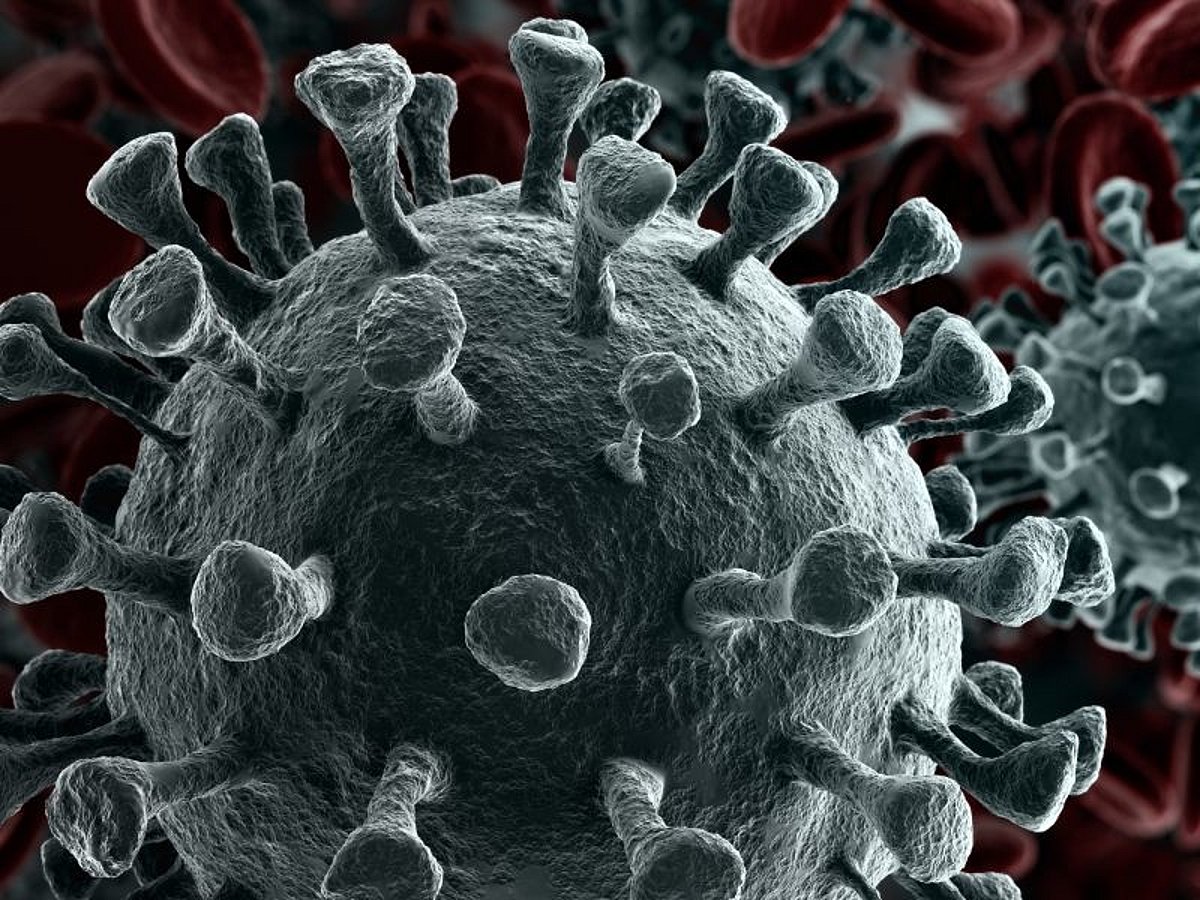
Mortality hazard ratio was 1.64 in association with infection with VOC-202012/1 versus infection with previously circulating variants
TUESDAY, March 16, 2021 (HealthDay News) — The risk for mortality is increased in association with infection with a new variant of severe acute respiratory syndrome coronavirus 2 (SARS-CoV-2) designated a variant of concern (VOC-202012/1) in December 2020, according to a study published online March 10 in The BMJ.
Robert Challen, Ph.D., from the University of Exeter in the United Kingdom, and colleagues conducted a cohort study involving 54,906 matched pairs of participants who tested positive for SARS-CoV-2 in community-based COVID-19 testing centers between Oct. 1, 2020, and Jan. 29, 2021. Participants differed only on detectability of the spike protein gene using the TaqPath assay (a proxy measure of VOC-202012/1 infection).
The researchers found that for patients who tested positive for COVID-19 in the community, the mortality hazard ratio associated with infection with VOC-202012/1 compared with infection with previously circulating variants was 1.64. This represented an increase in deaths from 2.5 to 4.1 per 1,000 detected cases in this relatively low-risk group.
“In the community, death from COVID-19 is still a rare event, but the B.1.1.7 variant raises the risk,” Challen said in a statement. “Coupled with its ability to spread rapidly this makes B.1.1.7 a threat that should be taken seriously.”
 ~16 Percent of COVID Cases Develop Postacute Sequelae of SARS-CoV-2
  Parts of the World Seeing New COVID-19 Variant
  HHS, NIH Unveil Vaccine Initiative to Protect Against Future Pandemics
  Hospital-Onset SARS-CoV-2 Infection During Omicron Linked to Morbidity
  Staffing, Scheduling, and Wage Changes Could Reattract Nurses Back to Hospitals
  Skilled Nursing Facility Capacity Declined Between 2019 and 2024
  Physical Design of Critical Care Units Influences Nursing Culture
  Low Capability Pediatric Hospitals More Than Doubled From 2003 to 2022




