


Guidance focuses on tailored treatment interventions for specific age groups based on disease severity
FRIDAY, Dec. 4, 2020 (HealthDay News) — In an update to the Asthma Management Guidelines, published in the December issue of the Journal of Allergy and Clinical Immunology, new guidance is presented for asthma management and treatment, focusing on tailored treatment interventions for specific age groups based on disease severity.
Michelle M. Cloutier, M.D., from UCONN Health in Farmington, Connecticut, and colleagues from the National Asthma Education and Prevention Program Coordinating Committee Expert Panel Working Group, supported by the National Heart, Lung, and Blood Institute (NHLBI) of the National Institutes of Health, addressed six priority topic areas to update asthma management in the clinical setting.
The updates provide guidance on use of inhaled corticosteroids for recurrent wheezing or persistent asthma; use of long-acting antimuscarinic agents with inhaled corticosteroids for long-term management of asthma; and use of allergy shots containing small amounts of allergen for some individuals with allergic asthma. In addition, guidance is provided for the use of methods to reduce exposure to indoor asthma triggers; use of the fractional exhaled nitric oxide test to help manage asthma or confirm diagnosis in some patients; and use of bronchial thermoplasty to treat selected adults with persistent asthma.
“The last national guidance on asthma care was published 13 years ago, and since then we’ve made substantial progress in understanding how to treat asthma in children and adults,” Cloutier said in a statement. “In addition to asthma management varying by age group and disease severity, the preferences and values that individuals with asthma place on different therapies must be considered. The new guidelines reflect some of these new approaches.”
Several authors disclosed financial ties to the pharmaceutical industry.
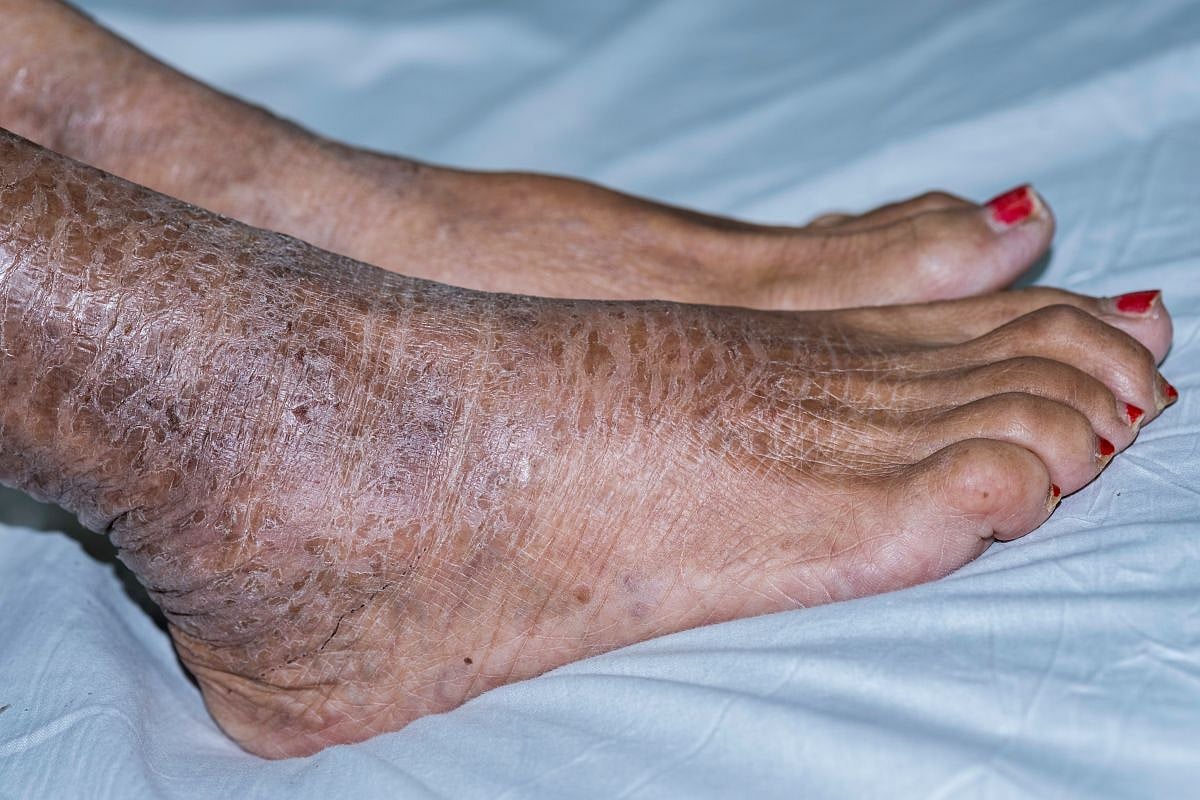 Congenital Ichthyosis Linked to Allergic Disorders
 Blinatumomab Improves Event-Free Survival in Children With High-Risk B-Cell ALL
 Rheumatic Immune-Related AEs With Immune Checkpoint Inhibitors More Severe Than Previously Reported
 Distinct Skin Microbiome Features Emerge Before Atopic Disease Onset in Infants
 Lower Dietary Diversity in First Year Linked to Atopic Dermatitis
 Gene Mutation Identified That Increases Lung Cancer Risk
 H. Pylori Exposure May Contribute to Global Burden of Colorectal Cancer
 Freshwater Swimming Tied to Stomach Bugs, Skin Conditions



.jpg)

