


Mendelian randomization did not show evidence of causal effects between genetic risk for allergic disease and self-reported mental health
THURSDAY, Oct. 7, 2021 (HealthDay News) — There likely is no causal effect of allergic disease on mental health, according to a study published online Oct. 5 in Clinical & Experimental Allergy.
Ashley Budu-Aggrey, Ph.D., from the University of Bristol in the United Kingdom, and colleagues used Mendelian randomization (MR) to investigate a possible causal relationship between atopic disease and mental health phenotypes.
The researchers found strong evidence of an association between the broad allergic disease phenotype and self-reported depression (odds ratio, 1.45), anxiety (odds ratio, 1.25), bipolar disorder (odds ratio, 1.29), and neuroticism (β = 0.38). Similar associations were seen for asthma, atopic dermatitis, and hayfever with the mental health phenotypes, although weaker associations were seen for atopic dermatitis and hayfever with bipolar disorder. For either direction, there was little evidence of causality.
“Few of the observed associations between allergic disease and mental health were replicated. The causal effect we did identify appears to be much lower in magnitude than that suggested observationally,” the authors write. “Therefore, intervening to prevent onset of allergic disease is unlikely to directly prevent the onset of mental ill-health. But future work should aim to investigate whether interventions that aim to improve allergic disease have a causal effect on mental health (and vice versa).”
One author disclosed financial ties to the pharmaceutical industry.
 Air Pollution Tied to Higher Risk for Suicide
  Psychiatrists Only Agree 55 Percent of the Time on Diagnoses
  2021 to 2026 Saw Increase in State Funding for Suicide Prevention
  Distinct Skin Microbiome Features Emerge Before Atopic Disease Onset in Infants
 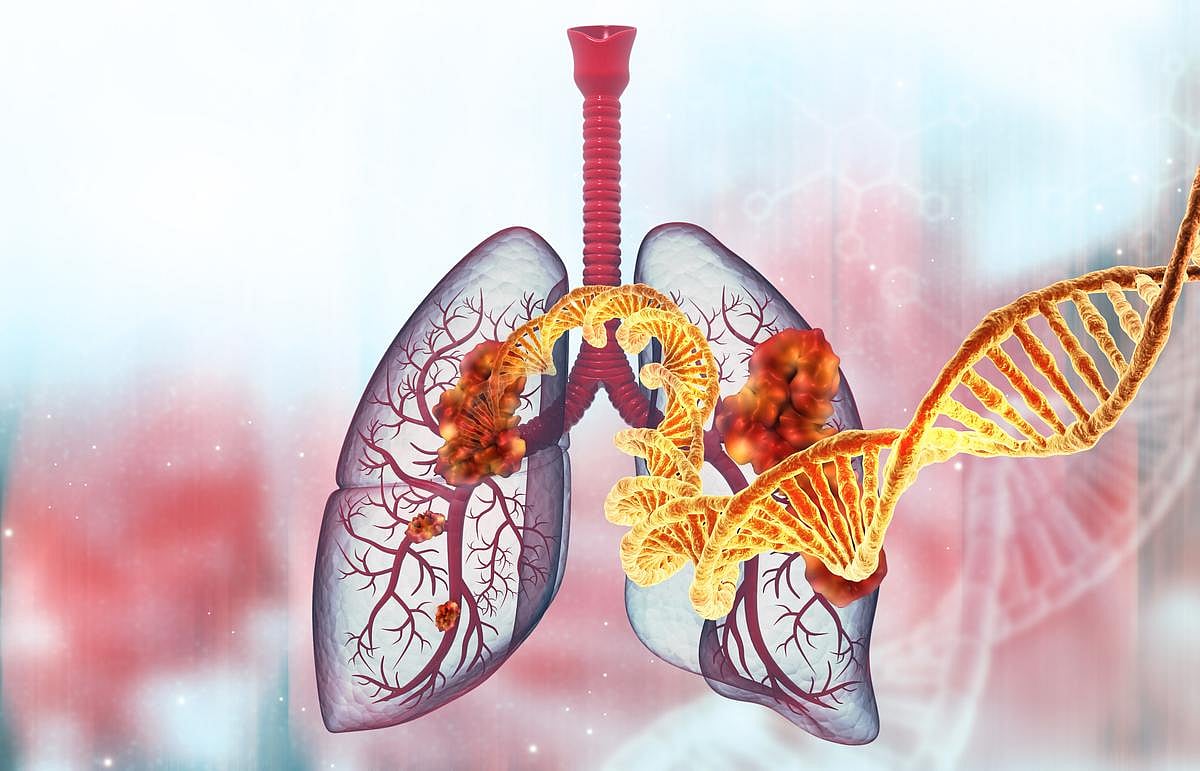 Gene Mutation Identified That Increases Lung Cancer Risk
 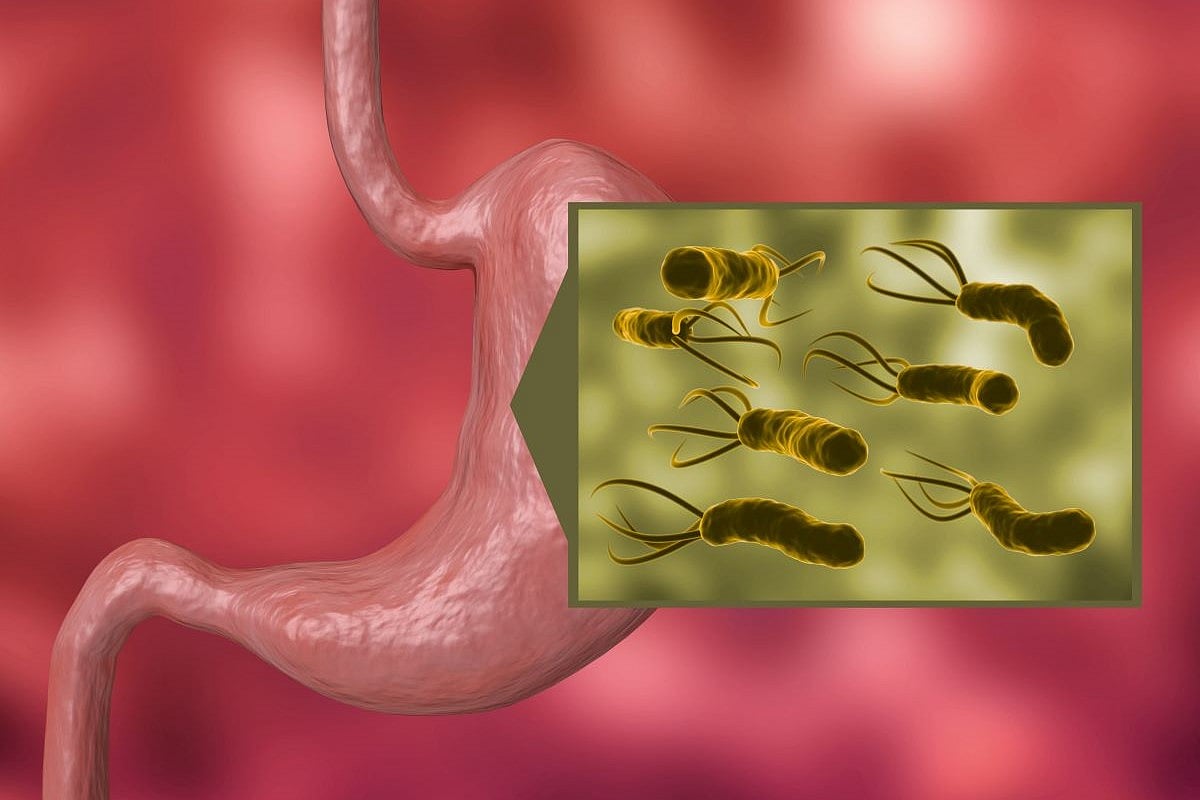 H. Pylori Exposure May Contribute to Global Burden of Colorectal Cancer
  Freshwater Swimming Tied to Stomach Bugs, Skin Conditions
  Considerable Global Disparities Found in Access to Dermatological Care



.jpg)