Findings particularly pronounced for those experiencing pandemic-related stressors
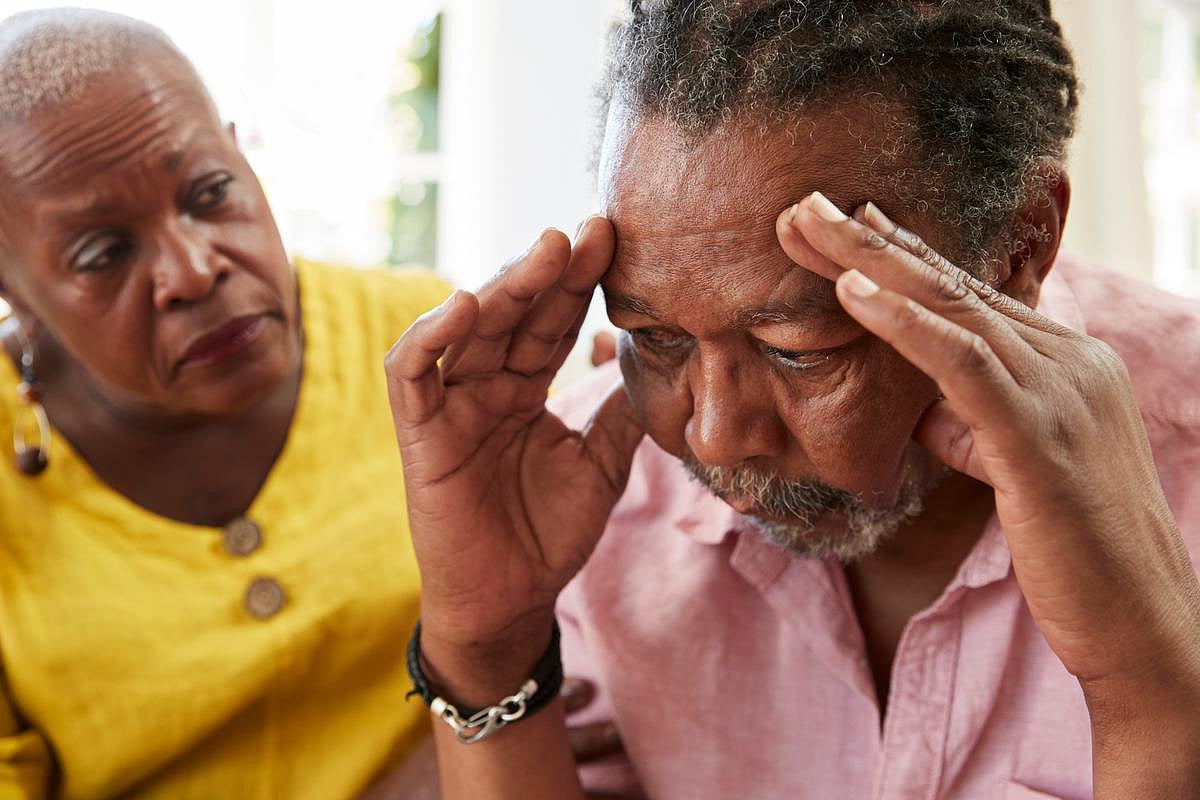
TUESDAY, Nov. 26, 2024 (HealthDay News) — During the pandemic, older adults with migraine experienced a substantial increase in the risk for depression, regardless of previous history, than before the pandemic and compared with older adults without migraine, according to a study published online Nov. 20 in the Journal of Pain Research.
Andie MacNeil, from the University of Toronto, and colleagues examined the impact of the pandemic on the mental health of people with migraine. The analysis included data from four waves of the Canadian Longitudinal Study on Aging”s comprehensive cohort (2,181 with migraine).
The researchers found that older adults with migraine, both with and without a history of depression, experienced increases in depression during the pandemic versus before the pandemic and compared with older adults without migraine. Those who felt lonely and those who experienced an increase in family conflict during the pandemic had higher risk of incident and recurrent depression. Only those who experienced difficulty accessing health care and those who experienced other family challenges, such as increased caregiving responsibilities, had a higher risk for incident depression. Those who felt left out socially, those with functional limitations, and those whose income did not satisfy their basic needs had a higher risk for recurrent depression.
“Targeted interventions are needed to support the mental health of older adults with migraine,” the authors write.
 150+ Minutes of Social Media Daily Tied to Depression in Adults
  Therapist-Led Online Cognitive Behavioral Therapy Aids Depression
  Onset of Mortality, Morbidity Delayed for Offspring of Centenarians
  Antenatal Complications Increased With Maternal Multiple Long-Term Conditions
  Strength Training May Cut GDM Risk in Pregnant Women With Overweight, Obesity
  Internet-Based Cognitive-Behavioral Therapy Aids Children"s Anxiety Symptoms
  Phthalates From Personal Care Products Tied to Higher BP in Pregnancy
  Couples" Coping Skills Help Reduce Depression in GI Cancer Survivors