



Higher rate of treatment success seen with omalizumab in intention-to-treat analysis, but not in per-protocol analysis
MONDAY, Aug. 3, 2026 (HealthDay News) — For patients with multifood allergy, treatment success seems higher with omalizumab versus active multiallergen oral immunotherapy (MOIT), but the difference may have been driven by a high rate of study discontinuation by those treated with MOIT, according to a study published online July 27 in JAMA Pediatrics.
Robert A. Wood, M.D., from the Johns Hopkins University School of Medicine in Baltimore, and colleagues compared omalizumab with MOIT for patients with multifood allergy in a double-blind, placebo-controlled, randomized clinical trial. Individuals aged 1 to 55 years with an allergy to peanuts and at least two other foods were included and randomly assigned to receive MOIT with placebo omalizumab or omalizumab with placebo MOIT (58 and 59 individuals, respectively). All received 16 weeks of open-label omalizumab; at week 8, active or placebo MOIT was initiated. Participants transitioned to blinded omalizumab or placebo injections for 44 weeks at week 16.
The study was completed by 30 participants receiving active MOIT and 51 receiving active omalizumab (51 and 88 percent, respectively). The researchers found that omalizumab was superior to MOIT in the intention-to-treat analysis (36 versus 19 percent; odds ratio, 2.6); no differences were seen in the per-protocol analysis. For two or more foods and for several individual foods, omalizumab was superior for cumulative tolerated doses of 4,044 mg or greater. Adverse events and serious adverse events were experienced by more participants taking active MOIT.
“For people who could comply with the combined treatment approach, they were as successful as the patients using omalizumab alone,” senior author R. Sharon Chinthrajah, M.D., from Stanford University in California, said in a statement.
Several authors disclosed ties to biopharmaceutical companies, including Genentech and Novartis, which manufacture omalizumab and partially funded the study.
 Rheumatic Immune-Related AEs With Immune Checkpoint Inhibitors More Severe Than Previously Reported
  High Intake of Eggs, Peanuts in Pregnancy Does Not Lower Allergy Risk
  Blinatumomab Improves Event-Free Survival in Children With High-Risk B-Cell ALL
  Distinct Skin Microbiome Features Emerge Before Atopic Disease Onset in Infants
  Lower Dietary Diversity in First Year Linked to Atopic Dermatitis
 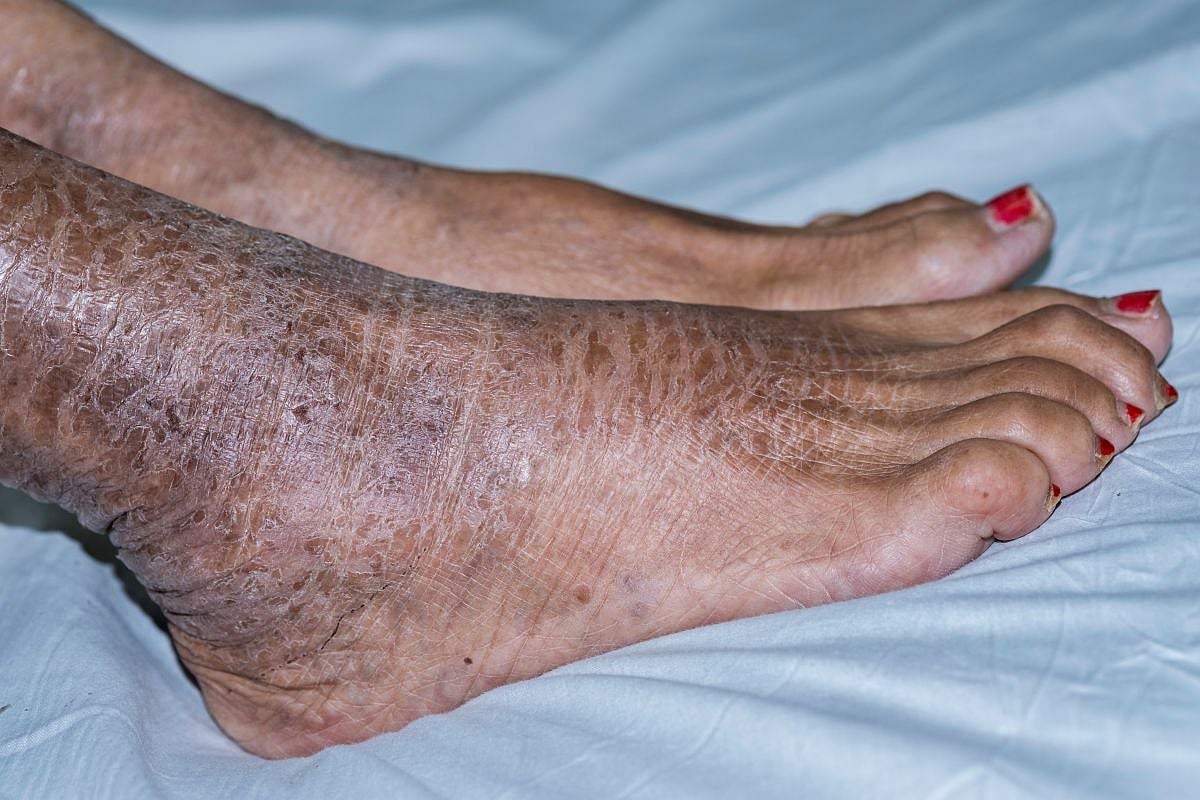 Congenital Ichthyosis Linked to Allergic Disorders
  Gene Mutation Identified That Increases Lung Cancer Risk
  H. Pylori Exposure May Contribute to Global Burden of Colorectal Cancer
 .jpg)



