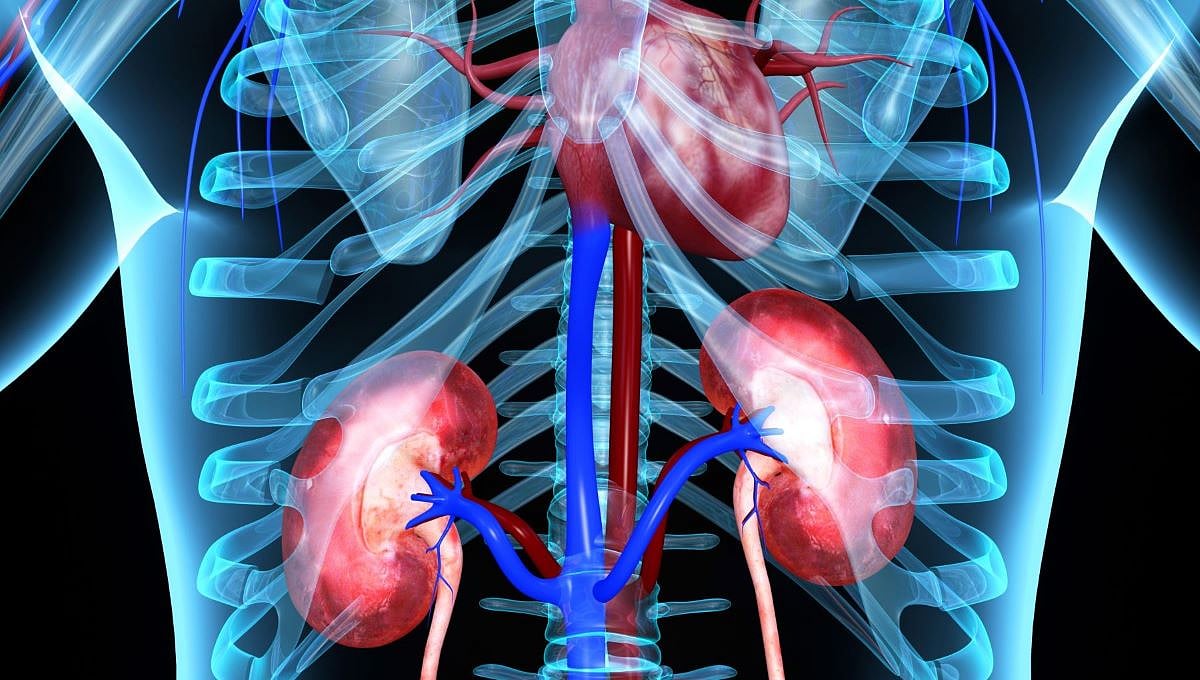
Kidney transplant has highest and most persistent unmet need
TUESDAY, June 16, 2026 (HealthDay News) — Solid organ transplant survival is improving, but organ shortages persist, according to a study published in the July issue of the Journal of the American College of Surgeons.
Carter J. Burns, from the Baylor College of Medicine in Houston, and colleagues quantified changes in unmet need and intention-to-treat (ITT) survival over time to capture the system”s capacity to effectively treat solid organ transplant candidates. The analysis included approximately 1.4 million adult candidates considered for transplantation from January 1987 to July 2024 within the United Network for Organ Sharing database.
The researchers found that one-year ITT and posttransplant survival improved significantly across all organ types from 1988 to 2023, with the most dramatic gains seen among lung and kidney candidates. Posttransplant survival improved most for lung and pancreas recipients. Since the mid-2010s, kidney transplant had the highest and most persistent unmet need, while unmet need for lung and pancreas transplants declined substantially.
“Organ transplant patients are living longer both before and after surgery thanks to several clinical and technical innovations,” senior author Abbas Rana, M.D., also from the Baylor College of Medicine, said in a statement. “But there remains a significant need for organ donations, and that unmet need hampers any progress we have made in survival.”
Abstract/Full Text (subscription or payment may be required)
 Biomarkers Plus Kidney Donor Profile Index Improve Prediction of Concordant Allograft Outcomes
  Adenotonsillectomy Tied to Increase in Respiratory Tract Infections in Children
  Short-Term Pretransplant Dialysis Does Not Affect Kidney Transplant Outcomes
  All-Cause Mortality Elevated for Adult Five-Year Survivors of Hodgkin Lymphoma
  Achieving PSA <0.2 ng/mL Improves Survival in Metastatic Castration-Sensitive Prostate Cancer
  Mental Distress, Fatigue Common in Childhood Survivors of Leukemia, Lymphoma
  Enfortumab Vedotin-Pembrolizumab More Effective for MIBC Than Cisplatin-Gemcitabine
  Recurrence Score Elevated for Breast Cancer Diagnosed Within First Year Postpartum