Disparities in T1D outcomes seen for Black children compared with Hispanic, White children from neighborhoods with similar opportunity levels
MONDAY, May 9, 2022 (HealthDay News) — Black children with type 1 diabetes (T1D) experience disparities in health outcomes compared with other racial and ethnic groups with similar neighborhood opportunity profiles, according to a study published online May 5 in JAMA Network Open.
Kelly R. Bergmann, D.O., from Children’s Minnesota in Minneapolis, and colleagues assessed whether the Child Opportunity Index 2.0 (COI) scores are associated with health outcomes by race and ethnicity among children with T1D. The analysis included children (younger than 21 years) discharged with a primary diagnosis of T1D with diabetic ketoacidosis (DKA), including 72,726 patient encounters from 2009 through 2018.
The researchers found that the probability of readmission within 365 days was significantly higher among Black children with a very low COI category versus Hispanic children (risk difference, 7.8 percentage points) and White children (risk difference, 7.5 percentage points) at the same COI category. For very high COI scores, similar differences were seen for children across racial groups. No associations were seen for COI and acute kidney injury (AKI) or cerebral edema, although race and ethnicity was a significant factor associated with AKI across all COI categories. For Black children, the probability of AKI was 6.8 percent versus 4.2 percent among Hispanic children and 4.8 percent among White children.
“Measures to prevent readmissions for DKA should include interventions that target racial disparities and community factors,” the authors write.
One author disclosed financial ties to the pharmaceutical industry.
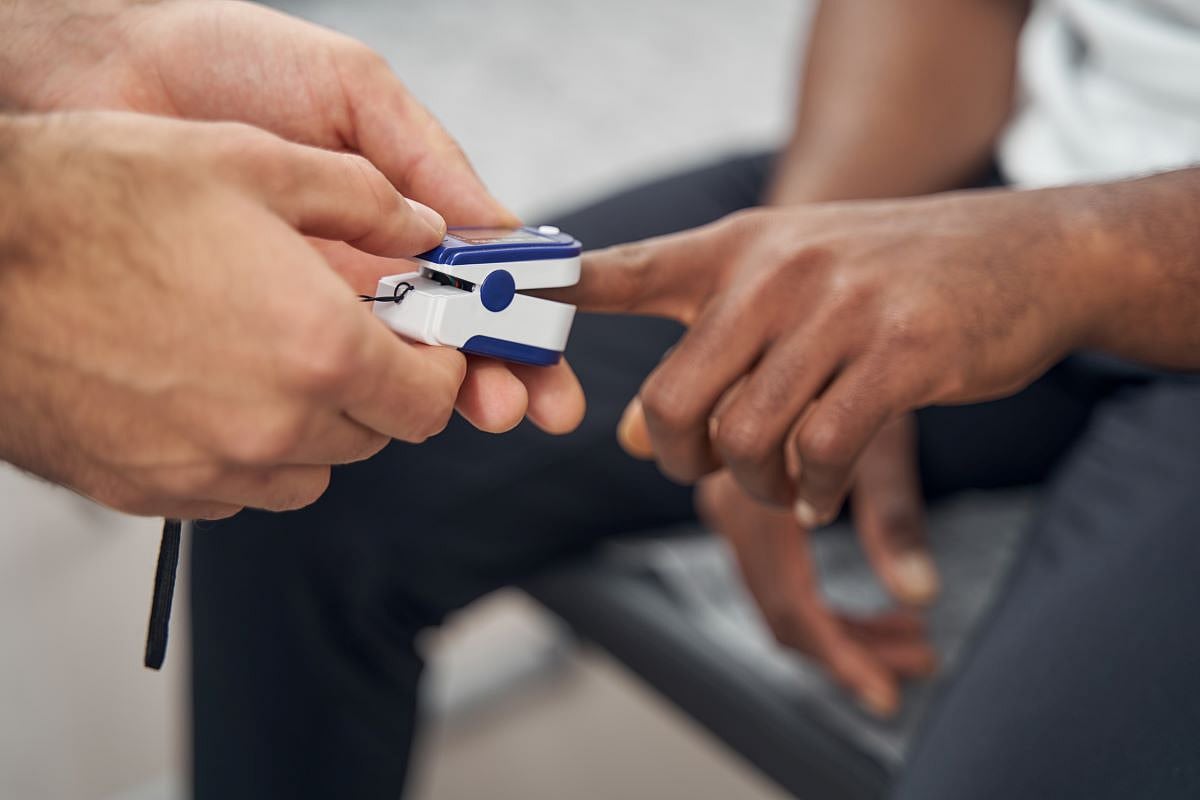 Pulse Oximetry-Based Scoring May Miss Sleep Apnea Events in Black Patients
 EHR-Enabled QI Intervention Improves Chlamydia, Gonorrhea Screening in Teens
 Few Meet Major Clinical Response Criteria After Treatment Escalation for Lupus
.jpg) Considerable Gaps Reported in Care for Youth With Opioid Use Disorder
.jpg) Rates of Drug Use-Associated Infective Endocarditis Declined From 2020 to 2022
 Nonpharmacologic Therapy Cuts Opioid Use Disorder Risk With Low Back Pain
.jpg) Most Specialty Oral Anticancer Meds for Blood Cancers Are Initially Rejected by Insurers
 Withdrawal From Medetomidine Increasingly Seen in ICUs