


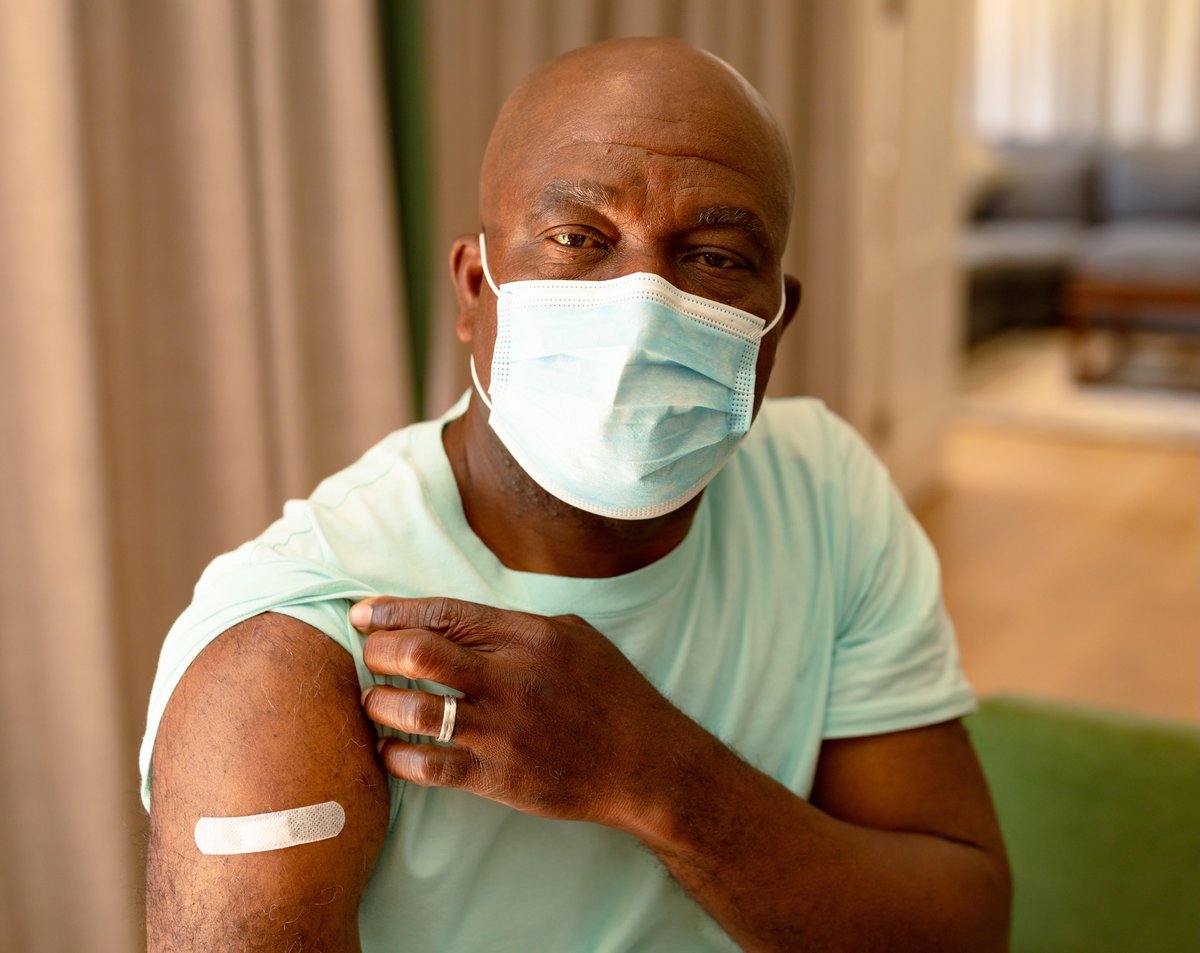
Age-adjusted influenza hospitalization rates were also higher among racial and ethnic-minority adults
FRIDAY, Oct. 21, 2022 (HealthDay News) — Racial and ethnic disparities in U.S. influenza hospital rates and influenza vaccination coverage persist, according to research published in the Oct. 18 issue of the U.S. Centers for Disease Control and Prevention Morbidity and Mortality Weekly Report.
Carla L. Black, Ph.D., from the CDC in Atlanta, and colleagues examined influenza hospitalization and vaccination rates by race and ethnicity from the 2009 to 2010 through the 2021 to 2022 influenza seasons.
The researchers found that the age-adjusted influenza hospitalization rates were higher among non-Hispanic Black (Black), American Indian or Alaska Native (AI/AN), and Hispanic adults compared with White adults from 2009 to 2010 through 2021 to 2022 (rate ratios, 1.8, 1.3, and 1.2, respectively). Influenza vaccination coverage was lower among Hispanic, AI/AN, Black, and other/multiple race adults compared with Whites and non-Hispanic Asians (37.9, 40.9, 42.0, and 42.6 versus 53.9 and 54.2 percent, respectively) during the 2021 to 2022 season. Since the 2010 to 2011 season, coverage was consistently higher for Whites and non-Hispanic Asians versus Black and Hispanic adults. The disparity in vaccination coverage by race and ethnicity was seen for those with medical insurance, those with a personal health care provider, and those who underwent a routine medical checkup in the past year.
“The findings in this report highlight persistent disparities in influenza disease severity among adults in some racial and ethnic minority groups during 2009 to 2022, as well as continued disparities in influenza vaccination coverage among adults during the same period,” the authors write.
 Pre-Prostate Biopsy MRI Use Increased From 2017 to 2026
  Nearly 3 in 4 Older Adults Express Interest in Vaccine to Prevent Dementia
  MHT Initiation May Reduce Cardiovascular Risk in Women With Vasomotor Symptoms
  Updated COVID-19 Shot Beneficial for Those With Autoimmune Rheumatic Disease
  Holding DMARDs at Time of COVID-19 Vaccine Not Warranted in Those With Inflammatory Arthritis
  Rheumatic Immune-Related AEs With Immune Checkpoint Inhibitors More Severe Than Previously Reported
  AAP Issues Recommendations for Pediatric RSV Vaccination in 2026-2027 Season
  Trends Reported in Vaccination Coverage for Adolescents for 2025




.jpg)