


Higher concentrations of PFOS, PFHxS, and PFHpS linked to greater BMI regain, reduced weight loss, increased waist circumference
TUESDAY, Aug. 19, 2025 (HealthDay News) — For adolescents, exposure to perfluoroalkyl and polyfluoroalkyl substances (PFAS) is associated with weight regain after bariatric surgery, according to a study published online Aug. 14 in Obesity.
Brittney O. Baumert, Ph.D., M.P.H., from the Keck School of Medicine at the University of Southern California in Los Angeles, and colleagues examined associations between PFAS exposure and postoperative changes in body mass index (BMI), percent weight loss, and waist circumference in a study involving 186 adolescents who underwent bariatric surgery between 2007 and 2012. Liquid chromatography-tandem mass spectrometry was used to measure presurgical plasma concentrations of seven PFAS.
The researchers observed associations for higher concentrations of perfluorooctane sulfonate (PFOS), PFHxS, and PFHpS with greater BMI regain, reduced percent weight loss, and increased waist circumference from one to five years after surgery. Annual BMI regain increased from 1.34 to 1.84 kg/m2 at PFOS concentrations of 1.45 to 2.94 log2 ng/mL. Cumulative PFAS effects were confirmed in mixture analyses, with the strongest associations seen for sulfonic acids.
“Our study shows a clear association between PFAS exposure and weight-related outcomes in bariatric surgery for adolescents,” Baumert said in a statement. “PFAS are a modifiable risk, which is why protective policies are so important to reduce exposure and safeguard public health — especially for vulnerable populations.”
Several authors disclosed ties to the biopharmaceutical, medical device, and publishing industries.
 EHR-Enabled QI Intervention Improves Chlamydia, Gonorrhea Screening in Teens
 Excessive Gestational Weight Gain Linked to Severe Maternal Morbidity
.jpg) Considerable Gaps Reported in Care for Youth With Opioid Use Disorder
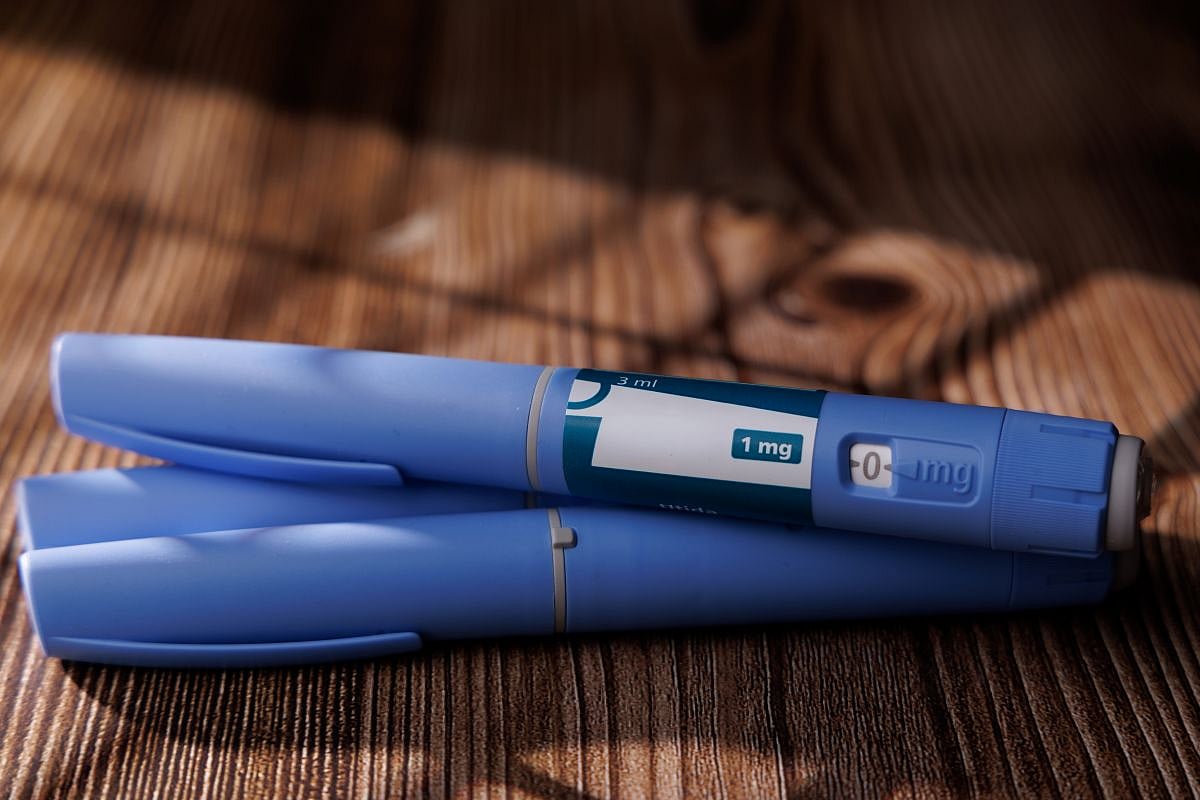 Nutritional Deficiencies Seen in Youth Taking GLP-1 Receptor Agonists
 Eating More Ultraprocessed Foods Heightens Risk for Chronic Diseases
.jpg) Mortality Lowest at Hemoglobin Concentrations Above WHO Thresholds
 Oral Vitamin C Active in Clonal Cytopenia of Undetermined Significance
 2009 to 2023 Saw Surge in Probiotic Supplement Use





