


Association more predominant among those aged 70 years or younger and of non-White race
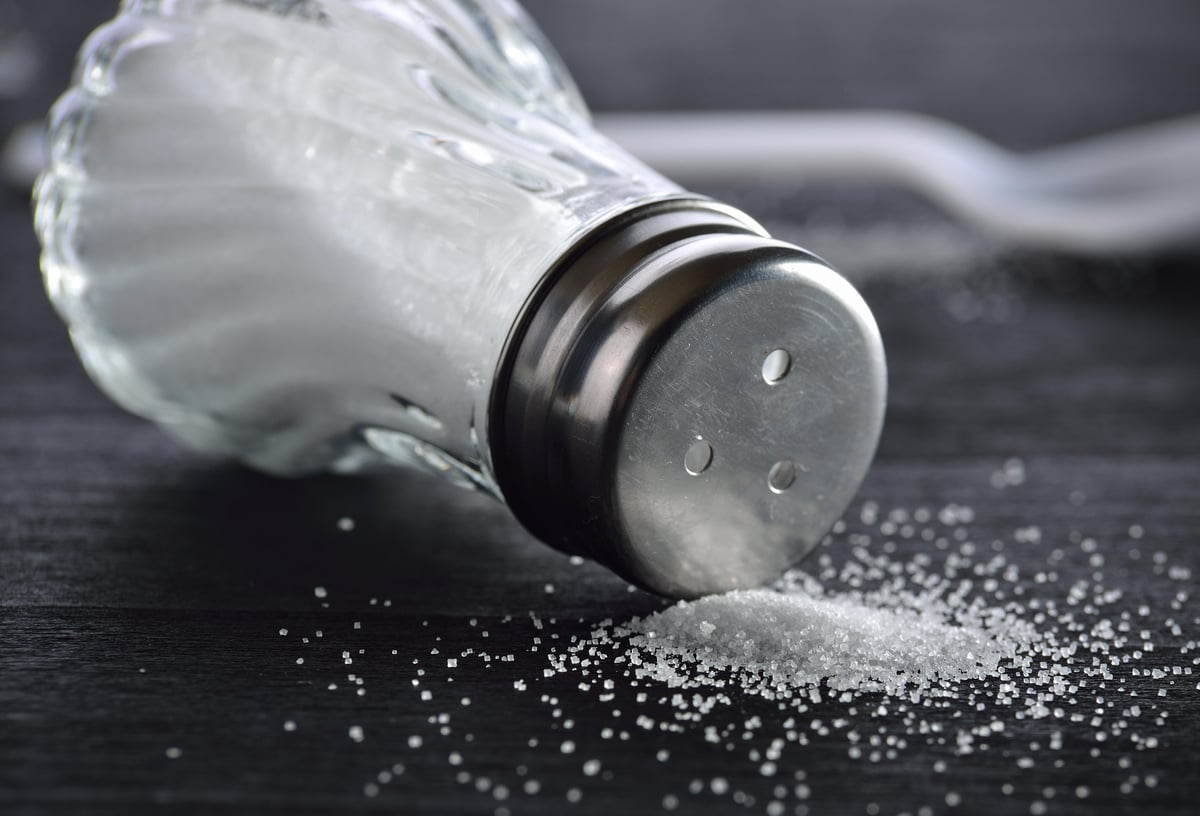
TUESDAY, July 19, 2022 (HealthDay News) — For patients with heart failure with preserved ejection fraction (HFpEF), overstrict cooking salt restriction is associated with a worse prognosis, according to a study published online July 18 in Heart.
Jiayong Li, from Sun Yat-sen University First Affiliated Hospital in Guangzhou, China, and colleagues examined the associations of cooking salt restriction with the risks for clinical outcomes in a secondary analysis of 1,713 participants with HFpEF from the TOPCAT trial. The cooking salt score was composed of self-reported salt added during preparation of homemade food.
The researchers found that patients with a cooking salt score >0 versus those with a score of 0 had significantly lower risks for the primary end point (composite of cardiovascular death, heart failure hospitalization, and aborted cardiovascular arrest) and for heart failure hospitalization (hazard ratios, 0.760 and 0.737, respectively), but they did not have lower risks for all-cause or cardiovascular death. Similar results were seen in sensitivity analyses using propensity score-matched baseline characteristics and in patients who prepared meals mostly at home. In patients aged 70 years or younger and those of non-White race, the association between overstrict salt restriction and poor outcomes was more predominant.
“Overstrict dietary salt intake restriction could harm patients with HFpEF and is associated with worse prognosis,” the authors write. “Physicians should reconsider giving this advice to patients with HFpEF. High-quality trials are needed to determine the optimal salt intake range for patients with HFpEF.”
 Elevated C-Reactive Protein Linked to Increased Risk for Incident Heart Failure, All-Cause Mortality
  UACR, UPCR Provide Indistinguishable Prognostic Information in CKD
  Use of SAMA, SABA Linked to Cardiovascular Events, Mortality in Asthma, COPD
  2011 to 2021 Saw Heart Failure-Related Hospitalization Rise in CKD
  GLP-1 Receptor Agonists, SGLT-2is Slow Renal Function Decline in T2D With Albuminuria
 .jpeg) 1997 to 2022 Saw Increase in Pediatric Hospitalizations With AKI
1997 to 2022 Saw Increase in Pediatric Hospitalizations With AKI  Early Complications Common in Older Kidney Transplant Recipients
  Frailty Linked to Incident Cognitive Decline in Men With CKD


.jpg)

