


Two studies show increase in intracranial venous thrombosis, thrombocytopenia for those younger than 70 years and in CVST after ChAdOx1-S
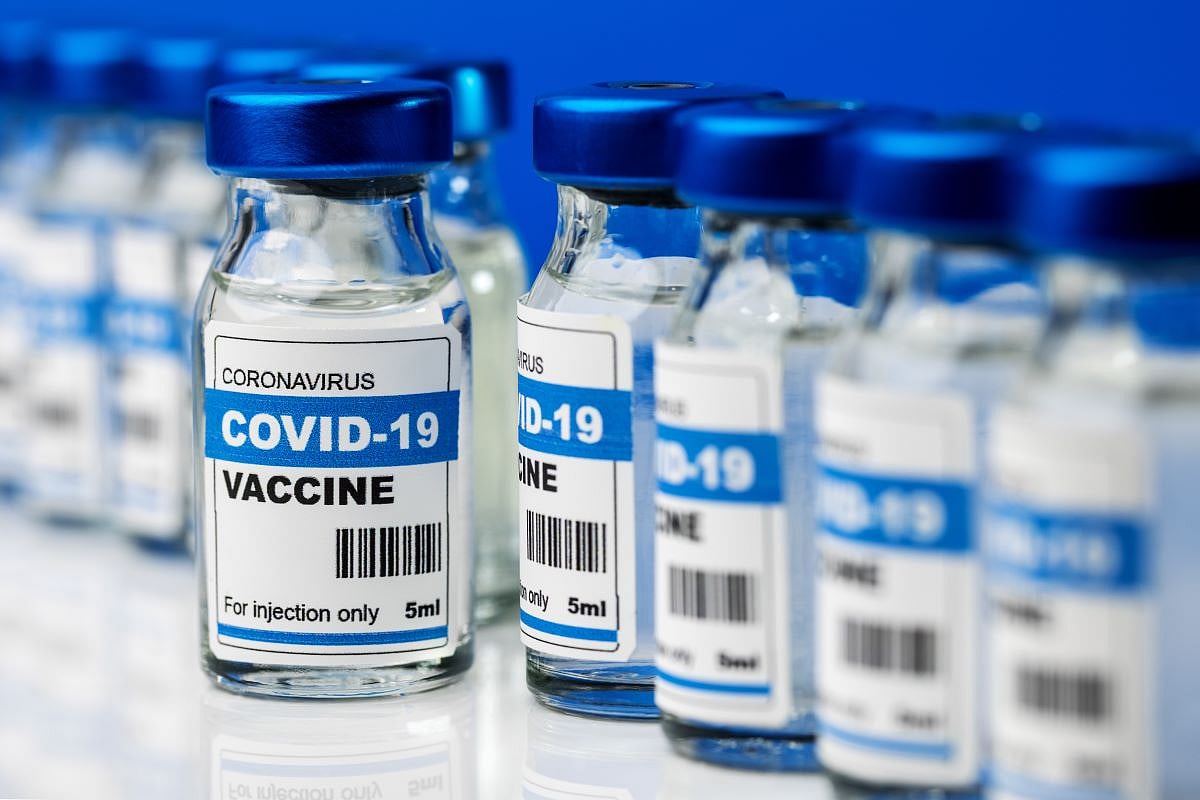
FRIDAY, March 11, 2022 (HealthDay News) — There is a small increased risk for intracranial venous thrombosis, thrombocytopenia, and cerebral venous sinus thrombosis (CVST) after the ChAdOx1-S COVID-19 vaccination, but not after the BNT162b2 vaccination, according to two studies published online Feb. 22 in PLOS Medicine.
William N. Whiteley, B.M., B.Ch., Ph.D., from the University of Edinburgh in the United Kingdom, and colleagues estimated the population-level risks for hospitalized thrombocytopenia and major arterial and venous thromboses after COVID-19 vaccination with ChAdOx1-S and BNT162b2 among approximately 21 million adults living in England who received their first vaccination between Dec. 8, 2020, and March 18, 2021. The researchers found that at one to 28 days after vaccination, the adjusted hazard ratios were not increased for those aged younger than 70 and 70 years or older for venous thromboses or arterial thromboses compared with unvaccinated rates. For adults aged younger than 70 years, the rates of intracranial venous thrombosis and of thrombocytopenia were higher one to 28 days after ChAdOx1-S (adjusted hazard ratios, 2.27 and 1.71, respectively), but not after BNT162b2, compared with unvaccinated adults.
Steven Kerr, also from the University of Edinburgh, and colleagues examined the association between COVID-19 vaccination and CVST using data from a combined cohort of 11,637,157 people with 6,808,293 person-years of follow-up. Participants were followed from Dec. 8, 2020, through June 30, 2021. The researchers identified 81 CVST events among those who received a first dose of ChAdOx1 (about 16.34 million doses) and 40 among those who received a first dose of BNT162b2 (about 12.60 million doses). ChAdOx1 vaccination was associated with an increased risk for CVST events in the 28 days following vaccination (incidence rate ratio, 1.93); no association was seen for BNT162b2 vaccination.
“This evidence may be useful in risk-benefit evaluations for vaccine-related policies and in providing quantification of risks associated with vaccination to the general public,” Kerr and colleagues write.
One author from the Kerr study disclosed financial ties to the pharmaceutical industry.
 Nearly 3 in 4 Older Adults Express Interest in Vaccine to Prevent Dementia
  Updated COVID-19 Shot Beneficial for Those With Autoimmune Rheumatic Disease
  Trends Reported in Vaccination Coverage for Adolescents for 2025
  AAP Issues Recommendations for Pediatric RSV Vaccination in 2026-2027 Season
  4CMenB Vaccine Confers Modest Protection Against Gonorrhea in Teens
  AAP Releases Influenza Vaccine Recommendations for All Children 6 Months and Older
  Adverse Event Risk Not Up With Same Day COVID-19, Flu Vaccination


.jpg)

