


Seroprevalence for antibodies against SARS-CoV-2 in Wuhan population sample estimated to be 6.92 percent in April 2020
MONDAY, March 22, 2021 (HealthDay News) — In a sample of the population from Wuhan, an estimated 6.92 percent of individuals developed antibodies against severe acute respiratory syndrome coronavirus 2 (SARS-CoV-2) by April 2020, of whom about 40 percent also had neutralizing antibodies, according to a study published online March 20 in The Lancet.
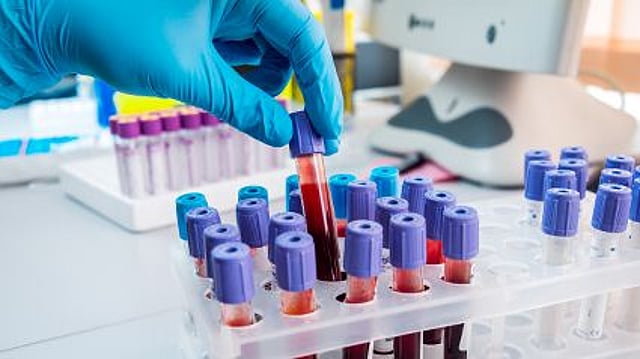
Zhenyu He, Ph.D., from the Wuhan Center for Disease Control & Prevention in China, and colleagues conducted a cross-sectional study involving 9,542 individuals from 3,556 families in Wuhan. On April 14 to 15, 2020, a venous blood sample was taken and tested for the prevalence of pan-immunoglobulins IgM, IgA, and IgG antibodies against SARS-CoV-2 nucleocapsid protein and neutralizing antibodies. Two successive follow-ups were conducted in June and between October and December.
The researchers found that 5.6 percent of the participants (532 participants) were positive for pan-immunoglobulins against SARS-CoV-2, with a baseline adjusted seroprevalence of 6.92 percent. Of those who were positive for pan-immunoglobulins, 82.1 percent were asymptomatic. Of the 532 participants, 13.0, 15.8, and 100 percent were positive for IgM, IgA, and IgG antibodies; at baseline, 39.8 percent were positive for neutralizing antibodies. The proportion with neutralizing antibodies remained stable at follow-up periods during June 2020 and October to December 2020 (44.6 and 41.2 percent, respectively). Neutralizing antibody levels did not decrease significantly during the study period among those who attended all three follow-up visits and were positive for pan-immunoglobulins. Compared with confirmed cases and symptomatic individuals, asymptomatic individuals had lower neutralizing antibody titers.
“Even at the epicenter of the pandemic, with more than 50,000 confirmed cases as of April 8, 2020, the estimated seroprevalence remains low, suggesting that vaccinations will be required to promote herd immunity,” the authors write.
 ~16 Percent of COVID Cases Develop Postacute Sequelae of SARS-CoV-2
  Parts of the World Seeing New COVID-19 Variant
  HHS, NIH Unveil Vaccine Initiative to Protect Against Future Pandemics
  Hospital-Onset SARS-CoV-2 Infection During Omicron Linked to Morbidity
  Staffing, Scheduling, and Wage Changes Could Reattract Nurses Back to Hospitals
  Skilled Nursing Facility Capacity Declined Between 2019 and 2024
  Physical Design of Critical Care Units Influences Nursing Culture
  Low Capability Pediatric Hospitals More Than Doubled From 2003 to 2022




