



Increase in depressive symptoms reported following use of Snapchat, Facebook, TikTok among U.S. adults free of depression at baseline
TUESDAY, Dec. 7, 2021 (HealthDay News) — Social media use is associated with a greater likelihood of subsequent increase in depressive symptoms among adults initially free of depression, according to a study published online Nov. 23 in JAMA Network Open.
Roy H. Perlis, M.D., from Massachusetts General Hospital in Boston, and colleagues evaluated the association between self-reported use of individual social media platforms and worsening of depressive symptoms among adults. The analysis included 8,045 adults participating in 13 waves of an internet survey conducted between May 2020 and May 2021.
The researchers found that 67.1 percent of participants (mean age, 55.8 years) with minimal depression on the initial survey completed a second 9-item Patient Health Questionnaire (PHQ-9). Of these, 8.9 percent reported 5 points or more of worsening of the PHQ-9 score on the second survey. This increase in depression symptoms was associated with social media use when adjusting for sociodemographic features and news sources (adjusted odds ratios, 1.53, 1.42, and 1.39 for Snapchat, Facebook, and TikTok, respectively).
“These data cannot elucidate the nature of this association, but suggest the need for further study to understand how social media use may factor into depression among adults,” the authors write.
One author disclosed financial ties to the pharmaceutical and biotechnology industries.
 Insomnia Linked to Increased Risk for Stroke, Odds of Admission
  Reducing Ultraprocessed Food May Alleviate Symptoms of Depression
  Youth Suicide Risk Linked to Community Firearm Violence
  150+ Minutes of Social Media Daily Tied to Depression in Adults
  Therapist-Led Online Cognitive Behavioral Therapy Aids Depression
  Couples" Coping Skills Help Reduce Depression in GI Cancer Survivors
  Digital Behavioral Health Game Reduces Depressive Symptoms in Teens
  Risk for Psychiatric Disorders Begins to Increase Before Diagnosis of IBD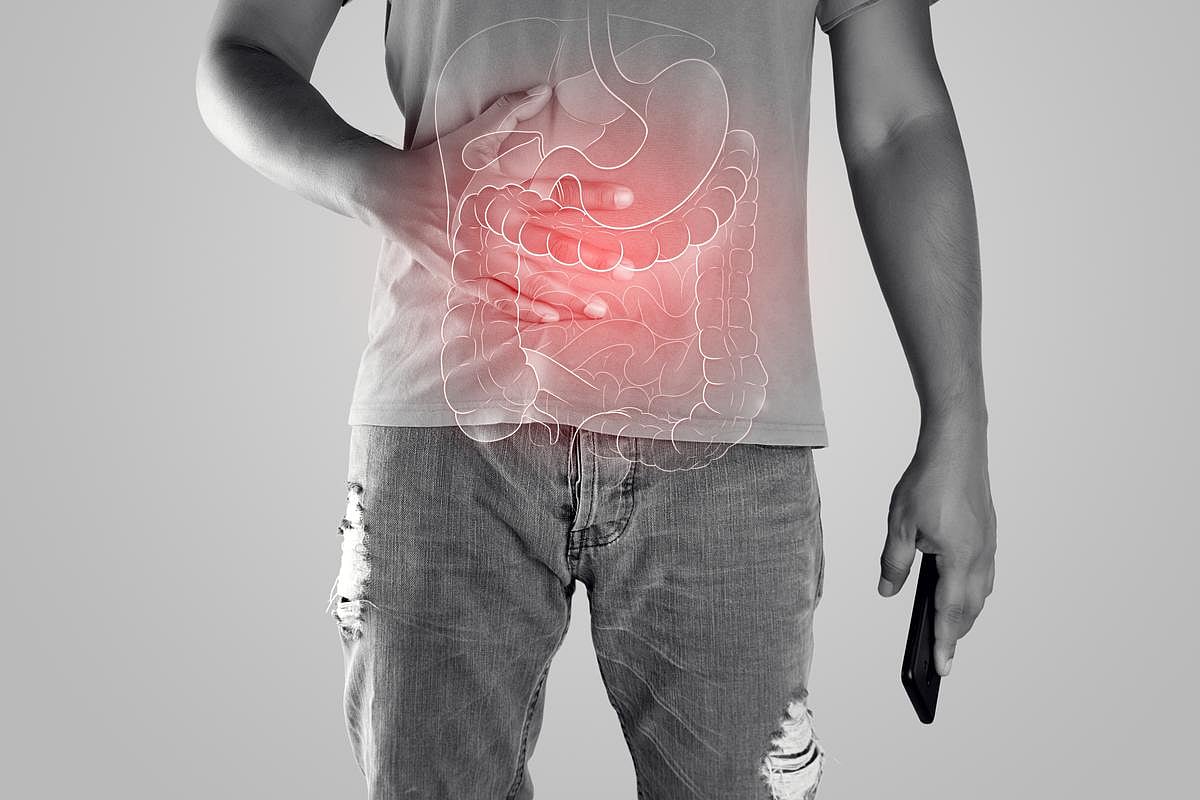

.jpeg)