


In 2019, TAVR exceeded surgical procedures; 30-day mortality and stroke rates decreased since 2011
THURSDAY, Nov. 19, 2020 (HealthDay News) — The volume of transcatheter aortic valve replacement (TAVR) procedures in the United States increased from 2011 to 2019, exceeding surgical aortic valve replacements in 2019, and 30-day mortality and stroke rates have decreased since 2011, according to a study published in the Nov. 24 issue of the Journal of the American College of Cardiology.
John D. Carroll, M.D., from the University of Colorado School of Medicine in Aurora, and colleagues present data from the Society of Thoracic Surgeons-American College of Cardiology Transcatheter Valve Therapy Registry from 2011 to 2019 for 276,316 patients undergoing TAVR in all U.S. states, including 8,395 low-risk patients treated in 2019.
TAVR volumes increased each year; in 2019, they exceeded surgical aortic valve replacement (72,991 versus 57,626). The researchers found that for the entire cohort, femoral access increased to 95.3 percent in 2019, hospital stay was two days, and 90.3 percent of patients were discharged home. From 2011, there was a decrease in the 30-day mortality rate (7.2 to 2.5 percent) and a decrease in stroke (2.75 to 2.3 percent), while the need for a pacemaker was unchanged (10.9 to 10.8 percent). At one year, eight of 10 patients achieved the status of alive with acceptable patient-reported outcomes.
“We have also seen TAVR become the leading choice for aortic valve replacement,” Carroll said in a statement. “Furthermore, the data on outcomes after TAVR document a substantial improvement in quality of care in the last nine years.”
Several authors disclosed financial ties to the pharmaceutical and medical device industries.
 Ultrasound-Guided Hydrodissection Yields Improvements in Carpal Tunnel
  Exercise-Based Cardiac Rehab Beneficial for Coronary Heart Disease
  Nearly 1 in 5 Patients Report Exposure to Ophthalmic Treatments Perceived as Bogus
 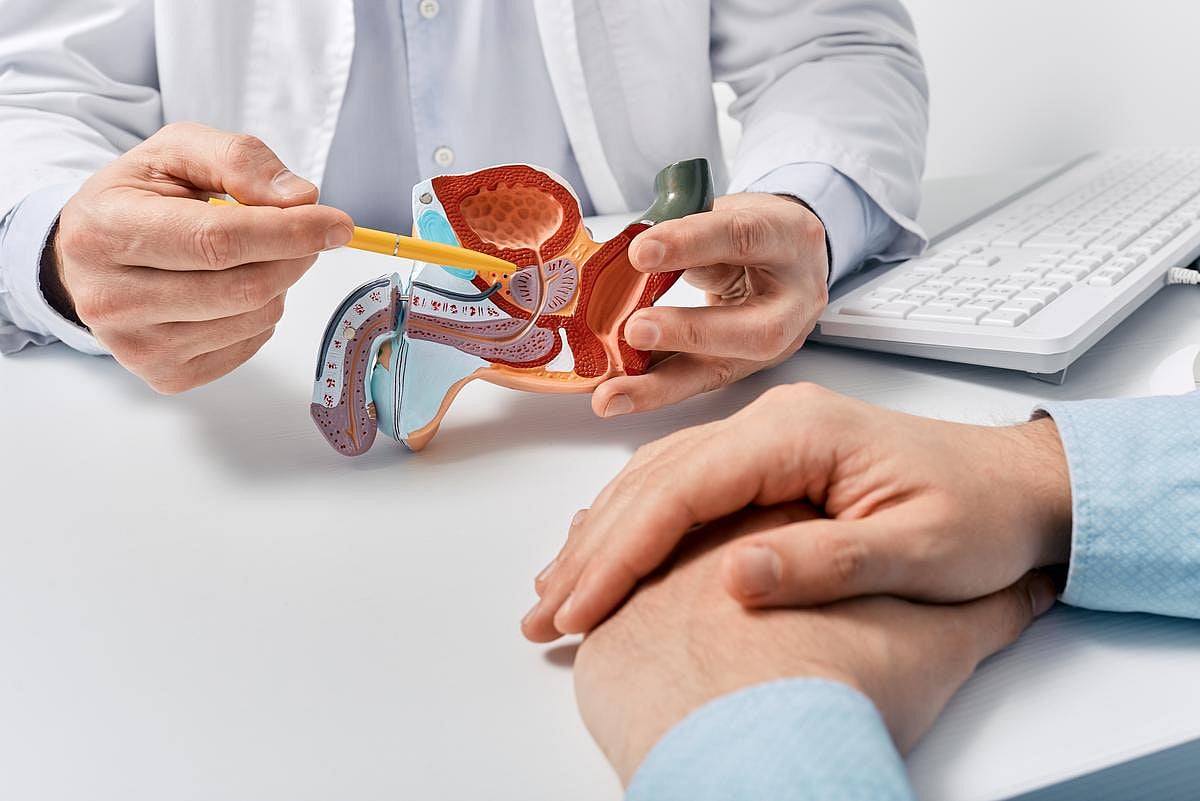 Focal Therapy Use Remains Uncommon in Nonmetastatic Prostate Cancer
 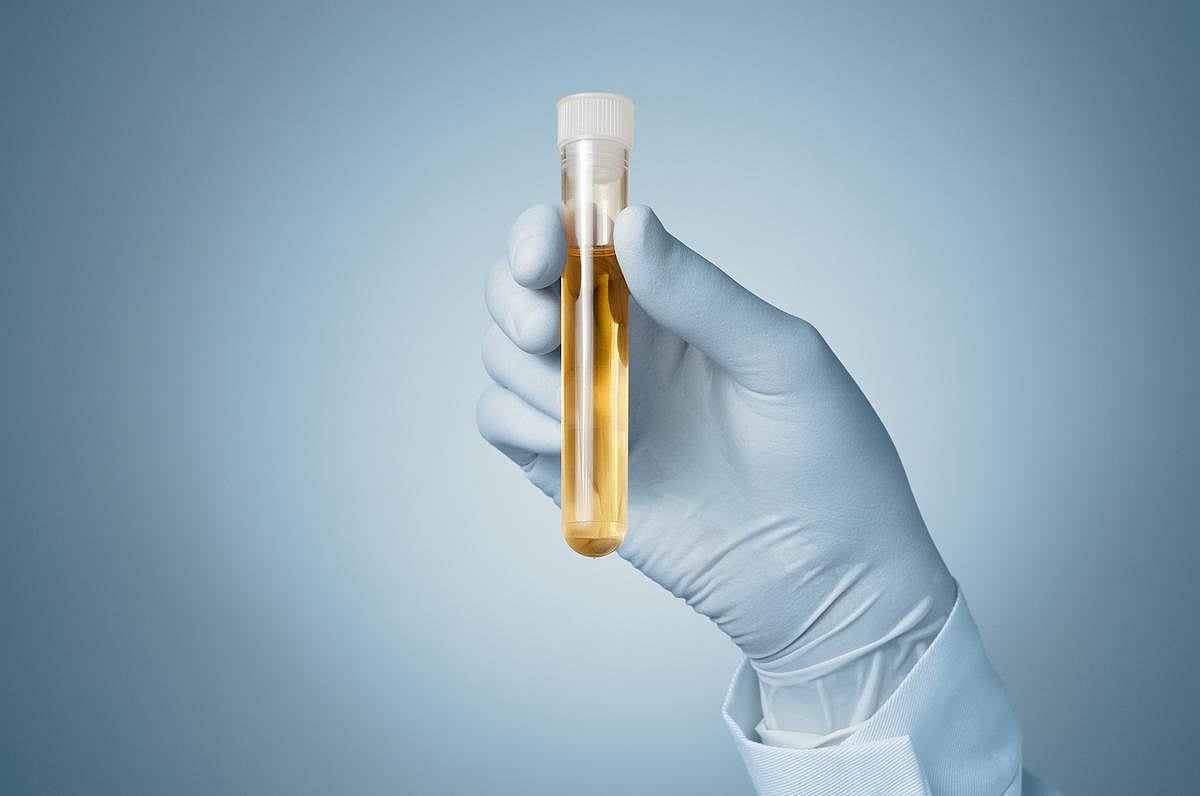 Urine Cell-Free RNA Shows Promise as Biomarker for Bladder Cancer
  Pre-Prostate Biopsy MRI Use Increased From 2017 to 2026
 .jpeg) Higher Intake of Saturated, Animal Fats May Increase Mortality in Prostate Cancer
Higher Intake of Saturated, Animal Fats May Increase Mortality in Prostate Cancer  Adverse Pathological Features Do Not Predict Benefit of Hormone Therapy in Prostate Cancer


.jpg)

