


In validation study, 3.7 percent of grade group ≥2 cancers missed with MyProstateScore value ≤10
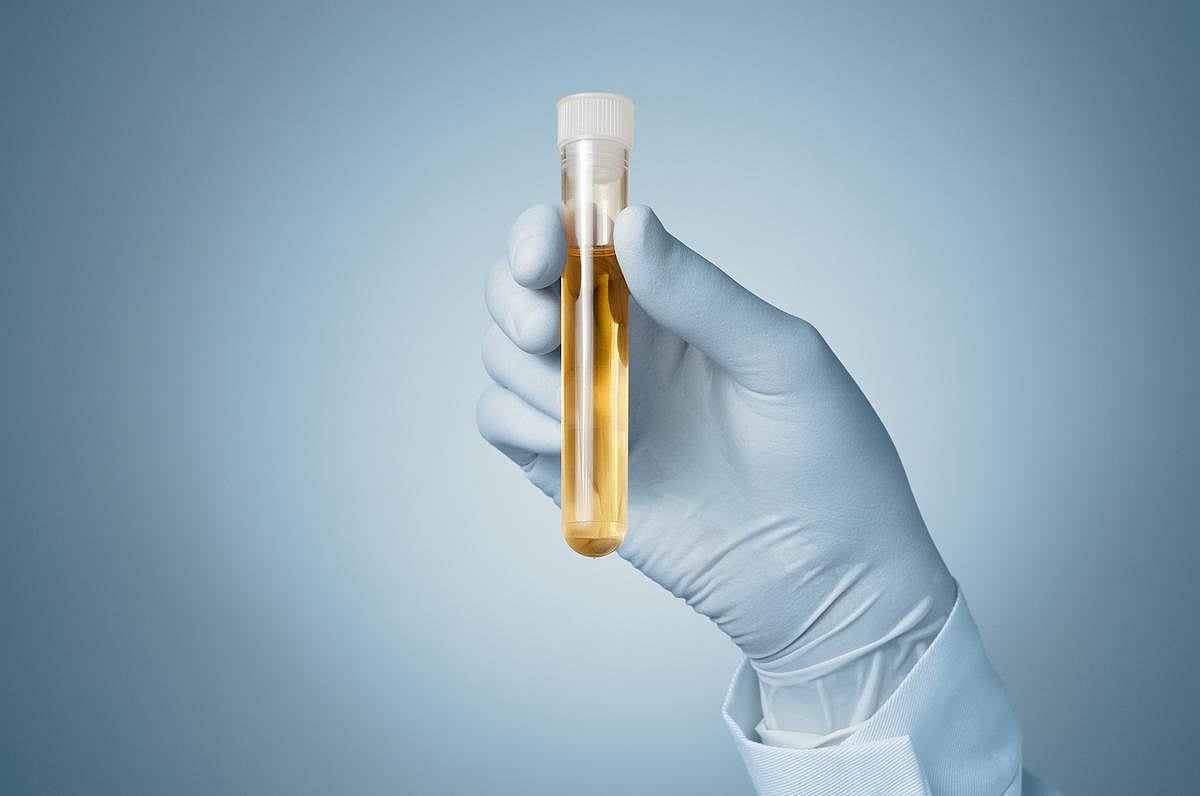
TUESDAY, March 2, 2021 (HealthDay News) — A urine-based test could potentially help patients safely avoid unnecessary prostate cancer biopsies, according to a study published online in the March issue of The Journal of Urology.
Jeffrey J. Tosoian, M.D., M.P.H., from the University of Michigan in Ann Arbor, and colleagues validated an optimal MyProstateScore threshold for clinical use in ruling out grade group ≥2 cancer in men referred for biopsy for possible prostate cancer. The analysis included validation cohorts consisting of 977 men from academic centers and 548 from community settings.
The researchers found that overall, 338 men (22 percent) had grade group ≥2 cancer on biopsy. A threshold of 10 on the MyProstateScore showed 97 percent sensitivity and 98 percent negative predictive value for grade group ≥2 cancer. It is estimated that 387 unnecessary biopsies could have been prevented with MyProstateScore testing (33 percent), while missing only 10 grade group ≥2 cancers (3.0 percent). MyProstateScore ≤10 provided 96 percent sensitivity and 97 percent negative predictive value among 1,242 men meeting guideline-based criteria, preventing 32 percent of unnecessary biopsies and missing 3.7 percent of grade group ≥2 cancers.
“The data show that this straightforward, secondary testing approach could reduce the use of more costly and invasive procedures following a prostate-specific antigen test,” Tosoian said in a statement.
Several authors disclosed financial ties to various health care companies.
Abstract/Full Text (subscription or payment may be required)
 Urine Cell-Free RNA Shows Promise as Biomarker for Bladder Cancer
  Pre-Prostate Biopsy MRI Use Increased From 2017 to 2026
  Age-, Joint-Specific Ultrasound Reference Values Set for Healthy Joints
  Retinal Imaging Can ID Atrial Fibrillation Years Before Diagnosis
  U.S. Adults May Not Understand Their Risk for Vascular Disease
  NOACs Linked to Slower Cognitive Decline in Patients With A-Fib, Alzheimer Disease
  Machine Learning Model IDs Heart Failure With Reduced Ejection Fraction Using Routine Lab Indicators
  Addition of CAC to PREVENT-ASCVD Equations May Improve Predictive Utility in Certain Patients
 .jpg)



