


Long-term risk for new-onset heart failure increased independent of age, sex, ethnicity, adiposity measures, diabetes, hypertension
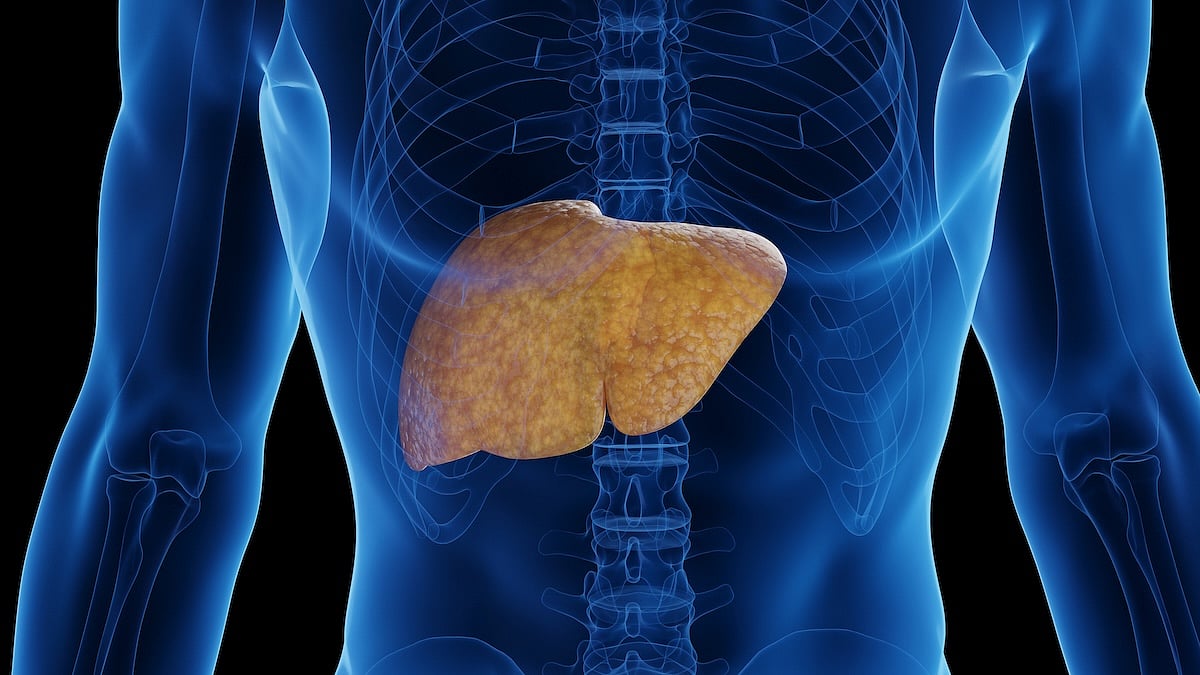
TUESDAY, July 26, 2022 (HealthDay News) — Nonalcoholic fatty liver disease (NAFLD) is associated with an increased long-term risk for new-onset heart failure, according to research published online July 25 in Gut.
Alessandro Mantovani, M.D., from the University of Verona in Italy, and colleagues conducted a systematic review to identify eligible observational studies in which NAFLD was diagnosed by serum biomarkers/scores, International Classification of Diseases codes, imaging techniques, or liver histology to examine the magnitude of the association between NAFLD and new-onset heart failure.
The researchers identified 11 longitudinal cohort studies, which included data on 11,242,231 middle-aged individuals and 97,716 cases of incident heart failure during a median of 10 years. There was an association for NAFLD with a moderately higher risk for new-onset heart failure (pooled random-effects hazard ratio, 1.50), independent of age, sex, ethnicity, adiposity measures, diabetes, hypertension, and other common cardiovascular risk factors. These results did not change in sensitivity analyses. No significant publication bias was seen in the funnel plot.
“We believe that the results of our meta-analysis further highlight the need for a patient-centered, multidisciplinary and holistic approach to manage both liver disease and cardiovascular risk in people with NAFLD,” the authors write.
 Elevated C-Reactive Protein Linked to Increased Risk for Incident Heart Failure, All-Cause Mortality
  UACR, UPCR Provide Indistinguishable Prognostic Information in CKD
  Steatotic Liver Disease Risk Scores Compared for Predicting Cirrhosis
  Cirrhosis Can Recur After Liver Transplant
  Genetics, Diabetes Tied to MASLD-Associated Cirrhosis Before Age 50
  Increase Seen in Rates of Xenobiotic-Induced Liver Injury From 2020 to 2024
  Link Between Liver Fibrosis in MASLD, ASCVD Varies by Glycemic Status



.jpg)
