Use of self-managed, at-home video game rehabilitation compared to other methods for upper-extremity therapy
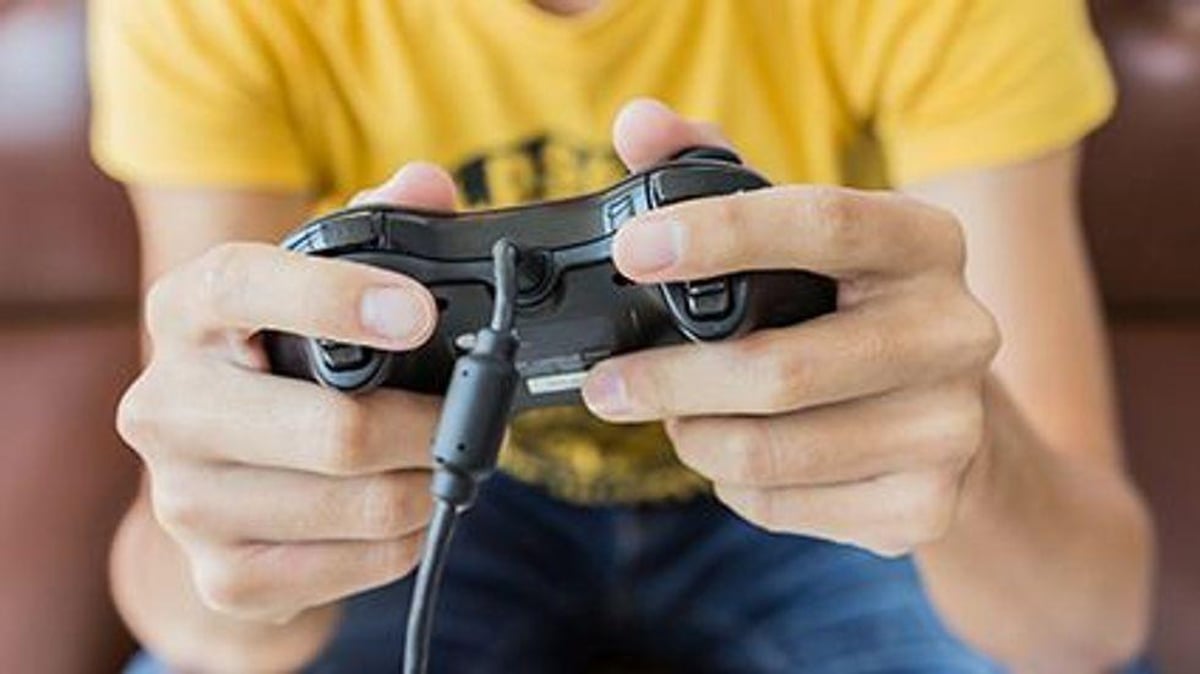
MONDAY, March 28, 2022 (HealthDay News) — For adults after stroke, self-managed motor-gaming with behavioral telerehabilitation is as effective as in-clinic Constraint-Induced Movement (CI) therapy for improving motor function and everyday use of the arm, according to a study recently published in eClinicalMedicine.
Lynne V. Gauthier, Ph.D., from the University of Massachusetts Lowell, and colleagues randomly assigned community-dwelling adults with poststroke (more than six months) mild/moderate upper-extremity hemiparesis to receive one of four interventions during a three-week period: five hours of behaviorally focusing intervention plus gaming self-management (Self-Gaming), Self-Gaming with additional behaviorally focused telerehabilitation (Tele-Gaming), five hours of traditional motor-focused rehabilitation, or 35 hours of CI therapy. The primary outcomes assessed everyday arm use using the Motor Activity Log Quality of Movement (MAL) and motor speed/function using the Wolf Motor Function Test (WMFT). Of the 193 enrolled participants, 150 completed treatment and 115 completed follow-up.
The researchers found that clinically meaningful MAL gains were produced with Tele-Gaming and Self-Gaming, which were 1.0 and 0.8 points larger than traditional care, respectively. Compared with CI therapy, Self-Gaming was less effective (−0.4 points), while Tele-Gaming was similarly effective. Across all groups, six-month retention of MAL gains was 57 percent. Clinically meaningful gains in WMFT were similar across the groups; six-month retention of these gains was 92 percent.
“Results of this pragmatic trial support the need for a marked shift towards prioritizing behavioral intervention during neurologic motor rehabilitation, as upper limb motor practice can be effectively self-managed at home,” the authors write.
Several authors cofounded Games That Move You, PBC, to commercialize the gaming technology utilized in this research.
 Physical Activity Linked to Slower Cognitive, Motor Progression in Parkinson Disease
  Air Pollution Does Not Impair Benefits of Walking in Reducing COPD Exacerbation Rate
  Exercise Intervention Linked to Improved Attention, Memory in Breast Cancer
  Lower Cognitive Functioning During 60s Linked to Subsequent Stroke Risk
  Nearly 1 in 10 Older Adults Used Cannabis in the Past Year
  Polypharmacy of Prescription Medications Increased for U.S. Older Adults
  Insomnia Linked to Increased Risk for Stroke, Odds of Admission
  Lower Vertebral Bone Mineral Density Linked to Cognitive Decline


.jpg)