


Men and women reporting overweight, respectively, are 19.14 and 11.44 times more likely to meet criteria for UPF addiction
TUESDAY, Oct. 7, 2025 (HealthDay News) — Overall, 12.4 percent of older adults have ultraprocessed food addiction (UPFA), according to a study published online Sept. 29 in Addiction.
Lucy K. Loch, from the University of Michigan in Ann Arbor, and colleagues examined the prevalence of UPFA in older U.S. adults using data from the University of Michigan National Poll on Healthy Aging conducted in July 2022. The association between UPFA and perceptions of physical and mental health and social isolation was examined in a sample of 2,038 older adults.
The researchers found that the overall prevalence of UPFA was 12.4 percent and was higher among women than men (16.9 versus 7.5 percent), with the highest rate seen for women aged 50 to 64 years (21 percent). Men and women reporting being overweight were 19.14 and 11.44 times more likely to meet the criteria for UPFA, respectively. Women and men reporting worse physical health were 1.93 and 2.99 times more likely to meet the criteria for UPFA, respectively, while those reporting worse mental health were 2.78 and 4.02 times more likely, respectively. The likelihood of meeting criteria for UPFA was 3.40 and 3.35 times higher for women and men reporting feelings of social isolation, respectively.
“Today”s older adults were in a key developmental period when our nation”s food environment changed,” Loch said in a statement. “With other research showing clear links between consumption of these foods and risk of chronic disease and premature death, it”s important to study addiction to ultraprocessed foods in this age group.”
 Financial Incentives Boost Tobacco Abstinence in Underserved Adults
  Lower Cognitive Functioning During 60s Linked to Subsequent Stroke Risk
  Polypharmacy of Prescription Medications Increased for U.S. Older Adults
  Nearly 1 in 10 Older Adults Used Cannabis in the Past Year
  2016 to 2024 Saw Increase in Patients Using Medical Cannabis
  Lower Vertebral Bone Mineral Density Linked to Cognitive Decline
  Pharmacist-Led Med Review Improves Medication Quality in Older Patients With Cancer
 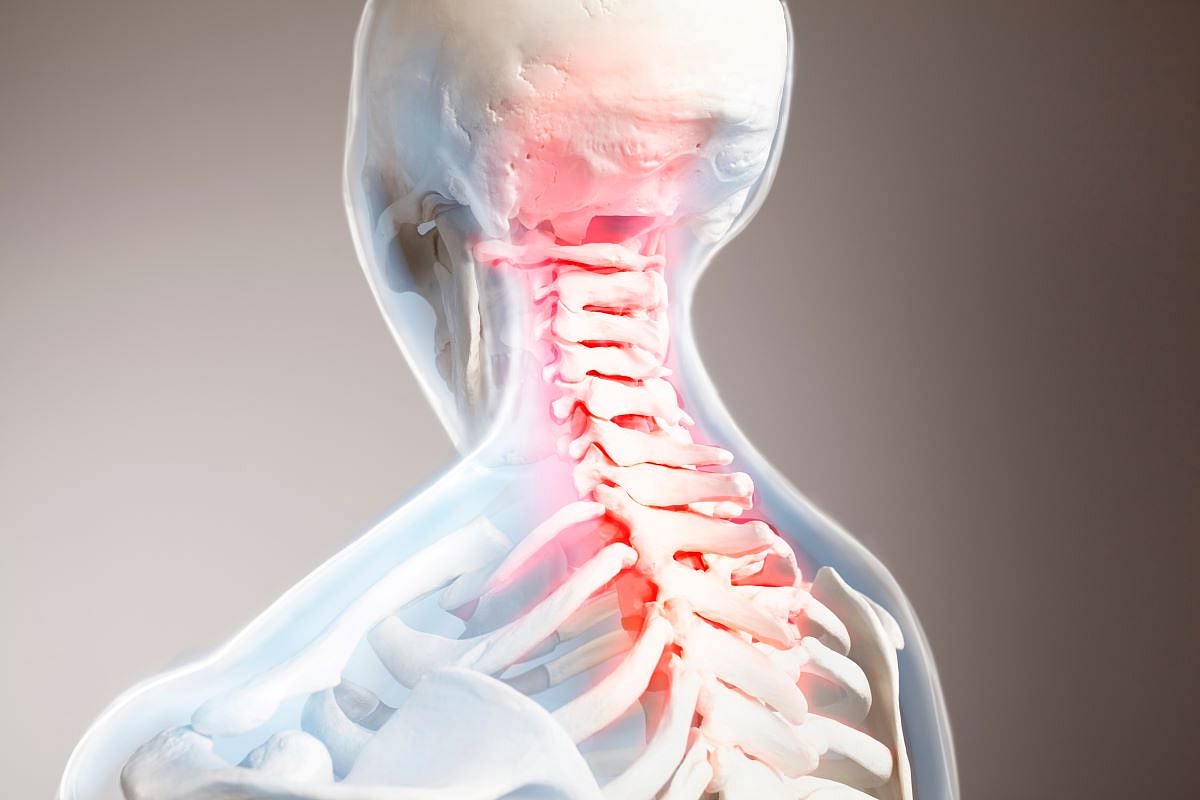 Myeloma Risk Modestly Increased in Adults With Incidentally Detected Vertebral Fracture
 .jpg)




