In both men and women, higher levels of adipose tissue were associated with increased odds of reporting chronic pain
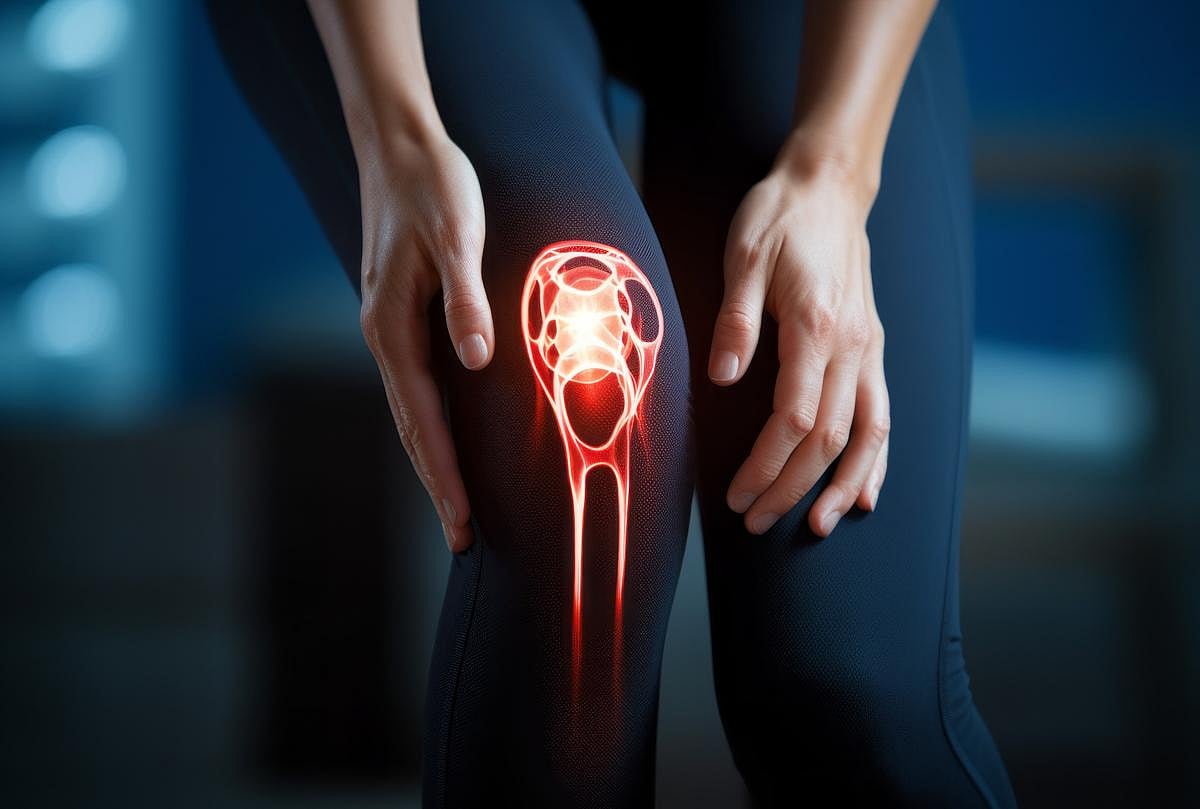
WEDNESDAY, Sept. 11, 2024 (HealthDay News) — For women and men, abdominal adipose tissue is associated with chronic musculoskeletal pain, according to a study published online Sept. 10 in Regional Anesthesia & Pain Medicine.
Zemene Demelash Kifle, from the University of Tasmania Menzies Institute for Medical Research in Australia, and colleagues used data from the U.K. Biobank to describe the associations between magnetic resonance imaging (MRI)-derived abdominal adipose tissue and multisite widespread chronic musculoskeletal pain. Visceral adipose tissue and subcutaneous adipose tissue were quantified on abdominal MRI scans performed at two imaging visits. At corresponding visits, pain was assessed in the neck/shoulder, back, hip, knee, or “all over the body.”
The study included 32,409 participants (50.8 percent women). The researchers found a dose-response association of visceral adipose tissue, subcutaneous adipose tissue, and their ratio with the number of chronic pain sites in both women (odds ratios [OR], 2.04, 1.60, and 1.60 per standard deviation, respectively) and men (OR, 1.34, 1.39, and 1.13, respectively) in multivariable analyses. In both sexes, higher levels of adipose tissue were also associated with increased odds of reporting chronic pain. In women versus men, the effect estimates of these adipose measures were relatively larger.
“Abdominal adipose tissue was associated with chronic musculoskeletal pain, suggesting that excessive and ectopic fat depositions may be involved in the pathogenesis of multisite and widespread chronic musculoskeletal pain,” the authors write.
 Physical Therapist-Supervised Exercise Improves Outcomes After ACL Reconstruction
  2013 to 2024 Saw Decrease in Benzodiazepine Prescribing
  2016 to 2024 Saw Increase in Patients Using Medical Cannabis
  Mindfulness, Tai Chi May Benefit Cancer Survivors
 .jpg) Cancer Survivors Have Lower Levels of Physical Activity
Cancer Survivors Have Lower Levels of Physical Activity  Childhood Cancer Survivors Often Have Mental Distress in Adulthood
  Pharmacist-Led Med Review Improves Medication Quality in Older Patients With Cancer
 .jpg) Mortality Lowest at Hemoglobin Concentrations Above WHO Thresholds
Mortality Lowest at Hemoglobin Concentrations Above WHO Thresholds