


This finding is seen despite evidence of better short-term glycemic control in this population
THURSDAY, Sept. 4, 2025 (HealthDay News) — Adults with learning disabilities and newly diagnosed type 2 diabetes (T2D) have better short-term glycemic control, but also faster progression to severe diabetes and a higher risk for mortality than adults without learning disabilities, according to a study published online Sept. 2 in BMJ Open Diabetes Research & Care.
Archie Wing, from the London School of Hygiene & Tropical Medicine, and Rohini Mathur, from Queen Mary University of London, conducted an observational cohort study to assess the impact of living with learning disabilities on T2D control, management, and outcomes. The analysis included 280,300 adult primary care patients with newly diagnosed T2D (2004 to 2021; 0.74 percent with a learning disability) from electronic health records of the U.K. Clinical Practice Research Datalink.
The researchers found that in adjusted analyses, at five years postdiagnosis, people with learning disabilities had lower odds of poor glycemic control than those without learning disabilities (odds ratio, 0.81) and faster insulin initiation (hazard ratio, 1.20) versus those without learning disabilities. In adults with learning disabilities, the risks for all-cause and diabetes-related mortality were doubled (all-cause: hazard ratio, 2.15; diabetes-related: hazard ratio, 1.93). There was no difference observed in the risk for vascular complications.
“Our finding of higher rates of insulin initiation in those with learning disabilities warrants further investigation into whether this is due to poorer glycemic control at presentation (and therefore faster advancing type 2 diabetes) or due to having a greater degree of clinical surveillance,” the authors write.
.jpg) Pregnancy Complications Linked to Subsequent Risk for Cardiometabolic-Renal Conditions
Pregnancy Complications Linked to Subsequent Risk for Cardiometabolic-Renal Conditions  GLP-1 Receptor Agonists, SGLT-2is Slow Renal Function Decline in T2D With Albuminuria
 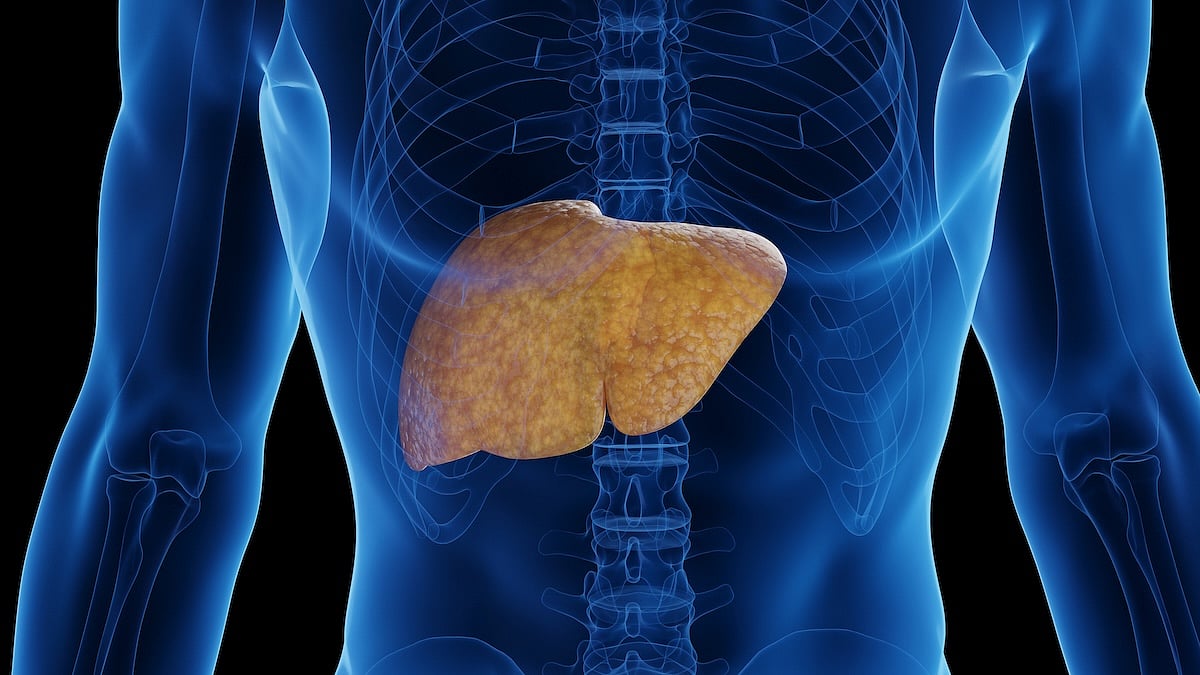 Genetics, Diabetes Tied to MASLD-Associated Cirrhosis Before Age 50
  Study IDs Risk Factors for Ketoacidosis in Adults With T2D Receiving SGLT2 Inhibitors
 .jpg) Most Specialty Oral Anticancer Meds for Blood Cancers Are Initially Rejected by Insurers
Most Specialty Oral Anticancer Meds for Blood Cancers Are Initially Rejected by Insurers  Drug Interactions Reducing Contraceptive Effectiveness Common in Epilepsy
  1 in 3 With Lupus Take Supplements, Medications With Potential for Interactions
  Holding DMARDs at Time of COVID-19 Vaccine Not Warranted in Those With Inflammatory Arthritis


